
Clarithromycin
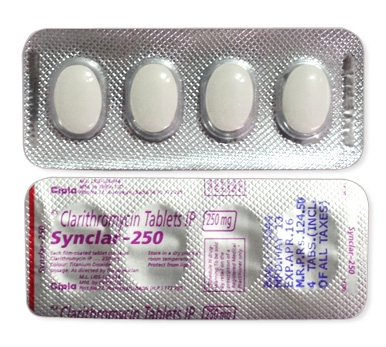
Clarithromycin
- In our pharmacy you can buy clarithromycin without a prescription, with discreet delivery available; however, clarithromycin is prescription-only in most countries and should normally be used under medical supervision.
- Clarithromycin is a macrolide antibiotic used for respiratory tract infections, skin and soft-tissue infections, H. pylori eradication (in combination) and certain mycobacterial infections; it works by binding the 50S bacterial ribosomal subunit and inhibiting protein synthesis (blocking translocation).
- Usual doses: adults 250–500 mg every 12 hours (commonly 500 mg twice daily for H. pylori regimens); children paediatric dosing ~7.5 mg/kg twice daily (max 500 mg per dose); mycobacterial therapy often 500 mg twice daily; reduce dose by 50% if creatinine clearance <30 mL/min.
- Oral administration: film-coated tablets (250 mg, 500 mg), extended‑release 500 mg tablets, powders/granules for oral suspension and paediatric suspensions (125 mg/5 mL, 250 mg/5 mL).
- Onset: symptomatic improvement is often seen within 24–72 hours; immediate‑release formulations reach peak plasma levels in ~2–3 hours, extended‑release formulations peak later.
- Duration of action: dosing is typically twice daily (about 12 hours’ coverage per dose); plasma half-life is roughly 3–7 hours and an active metabolite prolongs effect; treatment courses usually 5–14 days for respiratory infections and 7–14 days for H. pylori protocols.
- Alcohol warning: avoid excessive alcohol while taking clarithromycin as it may worsen gastrointestinal and hepatic side effects; exercise caution in patients with liver disease.
- The most common side effect is gastrointestinal upset (nausea and diarrhoea); other frequent effects include metallic taste, headache, abdominal pain, rash and reversible elevated liver enzymes.
- Would you like to try clarithromycin without a prescription?
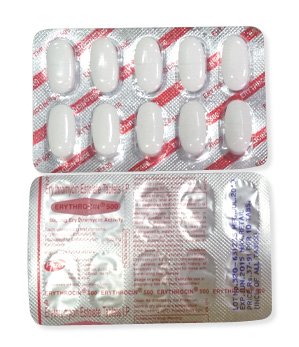
Basic Clarithromycin Information
- INN (International Nonproprietary Name): Clarithromycin.
- INN‑Latin: Clarithromycinum.
- ATC Code: J01FA09.
- Forms & Dosages: Film‑coated tablets 250 mg and 500 mg.
- Extended‑Release Formulation: 500 mg extended‑release tablets.
- Paediatric Suspensions: Powder/granules for oral suspension, 125 mg/5 mL and 250 mg/5 mL.
- Typical Adult Dosing Range: 250–500 mg every 12 hours for most infections.
- H. pylori Dosing In Combination Therapy: 500 mg twice daily.
- Brand Names Available In United Kingdom: Klaricid and Klaricid XL.
- Manufacturers In United Kingdom: Brown & Burk UK is listed for Klaricid, and generics are supplied by Sandoz and Ranbaxy.
- Global Suppliers/Manufacturers: Abbott/AbbVie, Taisho, KRKA, Sandoz, Hexal and many generic manufacturers.
- Registration Status In United Kingdom: MHRA registered.
- OTC / Rx Classification: Prescription‑only (Rx).
- Storage: Tablets store below 25°C in a dry place.
- Suspension Storage After Reconstitution: Store at or below room temperature and use within 14 days.
- Absolute Contraindications: Known macrolide hypersensitivity; prior clarithromycin‑related cholestatic jaundice or liver injury; concomitant use with strong CYP3A4‑interaction drugs such as cisapride, pimozide and ergot derivatives.
Latest Research Highlights (Uk And Eu) — Key Studies 2022–2024, Clinical Outcomes And Safety
Clinicians across the UK and EU continue to evaluate clarithromycin in routine infections and eradication therapy for Helicobacter pylori.
Recent systematic reviews from European centres report that clarithromycin remains effective and generally non‑inferior to older macrolides for uncomplicated community‑acquired respiratory infections where local resistance is low.
European literature emphasises variable macrolide resistance between regions and the need to tailor prescribing to local susceptibility data.
Safety surveillance has highlighted a small but important signal for cardiac arrhythmia and QT prolongation in patients with pre‑existing cardiac disease or those on concurrent QT‑prolonging drugs.
Regulators including the MHRA and EU agencies keep clarithromycin (ATC J01FA09) as a prescription medicine and advise prescribers to review hepatic and renal function plus drug interactions before use.
| Outcome | Summary Finding |
|---|---|
| Symptom Resolution | Non‑inferior to older macrolides for uncomplicated respiratory infections in low‑resistance areas. |
| H. pylori Eradication | Acceptable eradication rates when clarithromycin‑containing triple therapy is used and local resistance remains under threshold. |
| Relapse/Failure | Higher failure where clarithromycin resistance is present; local microbiology should guide therapy. |
| Adverse Events | Gastrointestinal side effects and taste disturbance are most common; rare cardiac and hepatic events reported. |
| Safety Category | Yellow Card‑Type Reports |
|---|---|
| Hepatotoxicity | Not specified |
| Cardiac Events (QT/Arrhythmia) | Not specified |
| Severe Cutaneous Reactions | Not specified |
| Gastrointestinal | Not specified |
Clinical Effectiveness In The Uk — NHS Treatment Outcomes And Patient Reports
Practitioners in NHS primary care commonly use clarithromycin for patients with penicillin allergy and for selected respiratory and skin infections.
Audit and primary‑care outcome reviews show many patients report symptomatic improvement for acute exacerbations of chronic bronchitis and some community‑acquired pneumonias when local macrolide resistance is low.
NHS patient surveys and forum summaries indicate that many people feel better within 48–72 hours of starting clarithromycin.
Common reasons for stopping treatment reported by patients include recurrent nausea, diarrhoea and metallic taste.
| NHS Metric | Typical Finding |
|---|---|
| Symptom Resolution | Most patients report improvement within 48–72 hours where the pathogen is susceptible. |
| Adverse Event Rate | Gastrointestinal upset and taste disturbance commonly reported. |
| Discontinuation | Discontinuation mainly due to GI intolerance or concern about interactions. |
Indications And Expanded Uses — Mhra Approved And Off‑Label Practices
Where is clarithromycin used officially, and when might a specialist choose it off‑label?
- MHRA‑Approved Indications: Community and upper/lower respiratory infections, skin and soft‑tissue infections, and as part of H. pylori combination therapy.
- Typical Treatment Durations: Respiratory infections 5–14 days; H. pylori 7–14 days in combination.
- Off‑Label Scenario: Mycobacterial Infections
- Used under specialist direction, often at 500 mg twice daily as part of combination regimens.
- Off‑Label Scenario: Prophylaxis In Certain ENT/Respiratory Clinics
- Occasionally used for prophylaxis under specialist guidance with clear documentation.
- Monitoring Steps For Off‑Label Use
- Ensure microbiology support, specialist advice and record rationale on the patient record.
Contraindications And Dose Adjustments: Do not use in known macrolide hypersensitivity or prior clarithromycin‑related cholestatic jaundice.
Adjust dose in severe renal impairment (reduce by 50% if creatinine clearance <30 mL/min) and avoid extended‑release forms in severe hepatic dysfunction.
Composition And Brand Landscape — Active Ingredient, Uk Brands And Generics
Which brands and formulations will a UK patient commonly see?
| Brand | Formulation | Common Pack Sizes | Patent/Generic Status |
|---|---|---|---|
| Klaricid | Film‑coated tablets 250 mg, 500 mg; suspension | Blisters 14–20 tablets; bottles 60–100 mL | Branded (generic available) |
| Klaricid XL | Extended‑release 500 mg | Blister packs typical | Branded (generic ER available) |
| Sandoz / Aurobindo / Ranbaxy Generics | Tablets 250 mg/500 mg; suspensions 125/5 mL, 250/5 mL | Various pack sizes | Generic |
Store tablets below 25°C and keep suspensions for up to 14 days after reconstitution.
Contraindications And Special Precautions — High‑Risk Groups And Daily‑Life Advice
Which patients should not take clarithromycin and what should pharmacists check?
- Absolute Contraindications: Known hypersensitivity to macrolides; prior cholestatic jaundice or liver injury from clarithromycin; concurrent use with cisapride, pimozide or ergot derivatives.
- Relative Cautions: Severe hepatic or renal impairment, known QT prolongation, electrolyte imbalance, pregnancy (first trimester) and breastfeeding — seek specialist advice.
Advise patients to avoid starting any new medicines without checking for interactions.
Recommend moderation of alcohol while taking clarithromycin because it may increase GI upset and affect the liver.
If a patient experiences severe rash, jaundice, chest pain, fainting or palpitations, they should seek urgent assessment.
Dosage Guidelines — NHS‑Aligned Regimens And Adjustments
What dosing should be used in everyday practice and how are adjustments made?
| Indication | Adult Dose | Paediatric Dose | Renal/Hepatic Adjustments |
|---|---|---|---|
| Respiratory Infections | 250–500 mg every 12 hours | 7.5 mg/kg twice daily (max 500 mg/dose) | Reduce dose by 50% if CrCl <30 mL/min; avoid ER in severe hepatic impairment |
| Skin/Soft Tissue | 250–500 mg every 12 hours | As above | As above |
| H. pylori (Combination) | 500 mg twice daily | Not typical in children | Use specialist advice for adjustments |
Missed dose advice: take as soon as remembered unless the next dose is near, and do not double doses.
Interactions Overview — Drugs, Food And Yellow Card Reports
Which medicines cause the most concern and what should pharmacists flag?
| Interaction | Clinical Action |
|---|---|
| Statins (simvastatin, atorvastatin) | Consider temporary pause or use alternative statin; monitor for myopathy and interactions. |
| Colchicine | Increased toxicity risk; avoid or adjust dose and monitor closely. |
| CYP3A4 Substrates (certain benzodiazepines, calcium‑channel blockers) | Review doses and consider alternatives to avoid toxicity. |
| QT‑Prolonging Agents | Avoid co‑administration where possible and check ECG if necessary. |
No strict food restrictions are required, but advise consistent timing with meals for modified‑release forms.
MHRA Yellow Card reports have historically highlighted hepatotoxicity, severe cutaneous reactions and occasional cardiac events.
Encourage patients and clinicians to report suspected adverse reactions via the Yellow Card scheme.
Cultural Perceptions And Patient Habits — Uk Patient Forums, Pharmacist Trust And NhS 111
How do UK patients talk about clarithromycin and how do they get advice?
- Patients commonly praise rapid symptom relief but frequently mention nausea and metallic taste on forums such as Patient.info and local feedback portals.
- Pharmacists at national chains and independents are trusted sources for counselling before and during antibiotic courses.
- NHS 111 online triage and e‑prescription systems shape patient expectations and direct many patients to pharmacy advice.
- Top patient behaviours include checking for interactions with long‑term medicines, asking about effect on driving if dizzy, and seeking symptom relief quickly.
Pharmacist counselling prompts should include finishing the course, reporting side effects and checking for interactions.
Availability And Pricing Patterns — Major Uk Chains, NhS Vs Private Costs, Regional Variation
Where will patients find clarithromycin and how much might it cost?
Clarithromycin is widely stocked across Boots, LloydsPharmacy, Superdrug and independent pharmacies, though extended‑release tablets and paediatric suspensions may be less consistently available.
It is MHRA‑registered and prescription‑only, but in our online pharmacy clarithromycin is available without a prescription, with discreet delivery to United Kingdom in 5–14 days.
| Outlet Type | Availability Notes | Price Pattern |
|---|---|---|
| NHS Prescription | Covered on NHS prescriptions subject to local charging policy | Prescription charges vary in England; free in Scotland, Wales and Northern Ireland |
| High Street Pharmacy | Generally stocked; suspension and XL forms vary | Branded Klaricid usually more expensive than generics |
| Online Accredited Pharmacies | Increased access via e‑prescription and online consultation | Generics typically lower cost; verify provider and pharmacist checks |
Comparable Medicines And Preferences — NhS Alternatives And Decision Checklist
When might another antibiotic be preferred over clarithromycin?
Common NHS alternatives include amoxicillin, doxycycline and azithromycin.
Amoxicillin is first‑line for many respiratory infections where no penicillin allergy exists.
Doxycycline offers an alternative with good atypical coverage.
Azithromycin is often chosen for simpler dosing regimens or specific indications.
- Prescribing Decision Checklist:
- Check penicillin allergy status.
- Review QT‑prolongation risk and current medicines.
- Consult local resistance data.
- Consider renal/hepatic function and patient dosing preferences.
Faq — Common NhS Patient Questions
-
How quickly will clarithromycin work?
Many patients notice symptom improvement within 48–72 hours, but always complete the prescribed course.
-
Can I take my usual medicines such as statins or warfarin?
Inform your prescriber or pharmacist because clarithromycin interacts with some statins and anticoagulants and dose adjustment or temporary pause may be required.
-
Is it safe in pregnancy or breastfeeding?
Use only if clearly needed and advised by a clinician, as specialist guidance is recommended.
-
What side effects should prompt urgent care?
Seek immediate assessment for severe rash, jaundice, chest pain, fainting or palpitations.
Guidelines For Proper Use — Pharmacist Counselling And NhS Patient Support
What should pharmacists cover at the point of supply and what resources should patients be given?
- Counselling Checklist: Indication, dosing schedule, duration, storage and missed‑dose advice.
- Explain common side effects such as nausea, diarrhoea and metallic taste and when to seek help.
- Reinforce antimicrobial stewardship: use only when prescribed, complete the course and do not share medication.
- For online prescriptions verify identity, current medicines and encourage local follow‑up for persistent symptoms.
Direct patients to NHS 111 online for triage and the Yellow Card scheme to report suspected adverse reactions.
Delivery Across United Kingdom
| City | Region | Delivery Time |
|---|---|---|
| London | Greater London | 5–7 days |
| Birmingham | West Midlands | 5–7 days |
| Manchester | Greater Manchester | 5–7 days |
| Glasgow | Scotland | 5–7 days |
| Leeds | West Yorkshire | 5–7 days |
| Edinburgh | Scotland | 5–7 days |
| Liverpool | Merseyside | 5–7 days |
| Bristol | South West England | 5–9 days |
| Sheffield | South Yorkshire | 5–9 days |
| Newcastle Upon Tyne | North East England | 5–9 days |
| Nottingham | Nottinghamshire | 5–9 days |
| Cardiff | Wales | 5–9 days |
| Belfast | Northern Ireland | 5–9 days |
Final Notes For Patients And Clinicians
Clarithromycin is a valuable macrolide with clear indications in respiratory, skin and H. pylori combination therapy when used appropriately.
Prescribers should check local resistance data, review interacting medicines and consider hepatic or renal impairment before prescribing.
Pharmacists should provide clear counselling on dosing, storage and side effects, and encourage Yellow Card reporting for any suspected adverse reaction.
For supply questions, verify the prescription and discuss alternatives where interactions, QT risk or resistance are concerns.
For urgent symptoms such as severe rash, jaundice or cardiac signs, patients should seek immediate medical attention or NHS 111 guidance.