
Chloromycetin
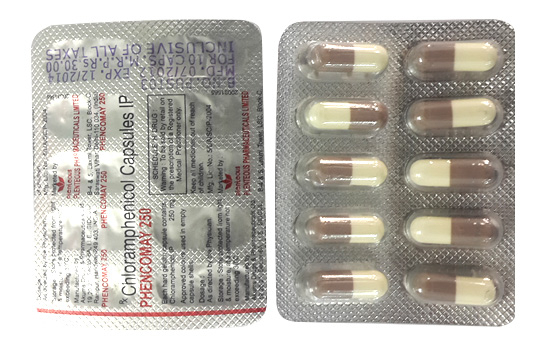
Chloromycetin
- In our pharmacy, chloromycetin may be available without a prescription, depending on local regulations and product type, with discreet delivery across the United Kingdom. However, in many countries chloromycetin (chloramphenicol) is prescription-only, especially for systemic use.
- Chloromycetin is used to treat serious bacterial infections, and it is also commonly used as eye ointment or eye drops for bacterial conjunctivitis. It works by inhibiting bacterial protein synthesis through binding to the 50S ribosomal subunit, which stops bacteria from growing and multiplying.
- The usual dose depends on the infection and formulation: for severe infections, adults may take 50 mg/kg/day in divided doses; children may require 50–100 mg/kg/day. For eye infections, ointment is usually applied 2–4 times daily. Follow the prescribed or labelled dosing instructions carefully.
- It is available as oral capsules, tablets, oral suspension, powder for injection, eye drops, eye ointment, and topical cream.
- It may start working within a few hours, although improvement in infection symptoms can take 1–3 days depending on the severity and site of infection.
- The duration of action depends on the formulation: oral and injectable doses are usually given every 6 hours, while eye ointment or drops are commonly used for 5–7 days. Systemic treatment is often 7–14 days, or as advised by a clinician.
- Avoid alcohol if possible, as it may worsen side effects such as nausea and dizziness, and can make it harder for your body to recover from infection. If you are taking chloromycetin for a serious illness, it is best to discuss alcohol use with a clinician.
- The most common side effects are nausea, vomiting, diarrhoea, oral thrush, and mild allergic reactions. More serious risks include bone marrow suppression, which can be severe, as well as rare but serious effects such as grey baby syndrome in infants.
- Would you like to try chloromycetin without a prescription?
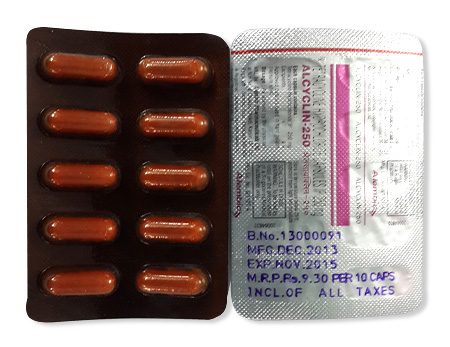

Basic Chloromycetin Information
- INN (International Nonproprietary Name): Chloramphenicol.
- Brand names available in United Kingdom: Generic chloramphenicol eye drops and chloramphenicol eye ointment are the main UK-facing ophthalmic preparations.
- ATC code: J01BA01.
- Forms & dosages: Oral capsules 250 mg and 500 mg, powder for solution 1 g/vial, eye ointment and drops 1%, 2% and 5%, oral suspension 125 mg/5 mL and 250 mg/5 mL, topical cream 1% and 2%.
- Manufacturers in United Kingdom: Generic pharmaceutical suppliers; availability varies by pharmacy chain and online dispensary.
- Registration status in United Kingdom: Prescription Only Medicine in most jurisdictions, with ophthalmic products also supplied through pharmacy and NHS routes.
- OTC / Rx classification: Prescription only medicine.
Latest Research Highlights: UK And EU Evidence Base
What matters most for patients is whether chloramphenicol still does the job safely, especially for sore, sticky eyes.
In UK and EU practice, the strongest evidence remains for short-course treatment of bacterial conjunctivitis with chloramphenicol eye drops or chloramphenicol eye ointment.
That is where it is most familiar to GPs, pharmacists and patients, and where symptom relief is usually seen quickly when the infection is bacterial.
Systemic use still has a limited role in severe infections when other antibiotics are unsuitable, but that is not routine community practice in the UK.
| Use | Evidence strength | Typical UK position | Safety signal |
|---|---|---|---|
| Bacterial conjunctivitis | Strongest | Common short-course ophthalmic use | Local irritation is usually mild; contamination must be avoided |
| Severe systemic infection | Limited, specialist-led | Reserved when alternatives are unsuitable | Bone marrow suppression, aplastic anaemia, infant toxicity |
| Typhoid and meningitis | Established but uncommon in routine UK care | Used only when clinically justified | Close monitoring needed |
| Other resistant infections | Exceptional/off-label | Specialist decision only | Risk-benefit must be carefully weighed |
Real data from product information show that chloramphenicol is an essential medicine, prescription only, and listed under ATC code J01BA01.
It is available in eye drops, eye ointment, oral forms and injection in some markets, although UK day-to-day use is mainly ophthalmic.
Safety themes have stayed consistent over time.
The main concerns are bone marrow suppression, rare aplastic anaemia, and infant toxicity known as grey baby syndrome.
That is why NHS-style advice keeps treatment short and asks for review if symptoms worsen or do not improve.
Data highlight: the big risks are rare but serious, so chloramphenicol should be used exactly as directed, especially in children, babies, and anyone on other medicines that affect the bone marrow.
Clinical Effectiveness In The UK
Does it actually help quickly when an eye is red, sticky and miserable on a Monday morning?
For bacterial eye infections, chloramycetin remains a trusted option in UK community care because it is familiar, easy to use and often brings relief in redness, discharge and irritation within a few days.
In practice, chloramphenicol eye drops are generally used 2 to 4 times daily, while eye ointment is also used on a short course.
Patients commonly report that the gritty feeling settles first, followed by less discharge and less eyelid stickiness.
When the infection is truly bacterial, that is exactly the sort of response expected from effective antibiotic eye treatment.
- Most useful for uncomplicated bacterial conjunctivitis.
- Often helps reduce redness, discharge and irritation.
- Best when started promptly and used for the full short course.
- Less useful when the problem is viral, allergic or due to a foreign body.
- Needs follow-up if the eye is severely painful, very light sensitive, or the problem is only in one eye and getting worse.
It is less effective when symptoms suggest a non-bacterial cause, because antibiotics do not treat allergy or viral infection.
That is why unilateral severe redness, photophobia, eye pain, blurred vision or a child who looks unwell should not be treated as “just conjunctivitis” without review.
Systemic chloramphenicol is a different matter.
It is reserved for serious infections, and that use is specialist-led because the safety margin is narrower.
For most UK patients, the real-world question is whether a short ophthalmic course is enough, and whether the eye settles as expected.
| Medicine | Why It May Be Chosen | Limitations |
|---|---|---|
| Chloramphenicol | Well-known for bacterial conjunctivitis, broad topical activity | Serious systemic toxicity limits broader use |
| Fusidic acid or other common eye antibiotics | Sometimes preferred for local prescribing reasons | May not be as suitable depending on presentation |
| Oral antibiotics | Used when infection is not just in the eye | Not first choice for routine conjunctivitis |
Indications And Expanded Uses
Which infections is chloramphenicol actually meant for, and which ones are just part of its history?
In the UK, the main routine use is bacterial conjunctivitis, while systemic prescribing is uncommon and usually specialist-led.
- Bacterial conjunctivitis
- Most common UK ophthalmic indication.
NHS clinicians may consider it when the eye is sticky, red and the pattern fits bacterial infection.
It is usually avoided when the picture looks viral, allergic or traumatic. - Severe systemic infections
- Used when the infection is serious and alternatives are unsuitable.
This is not typical pharmacy-led supply and needs clinician oversight. - Typhoid
- Recognised systemic indication.
In UK practice, this would be uncommon and specialist-managed.
Other antibiotics are often preferred depending on the case. - Meningitis
- Possible use in severe infection where clinically appropriate.
This is clearly a hospital or specialist decision. - Off-label or exceptional use in resistant infections
- May be considered only when other antibiotics cannot be used because of resistance or allergy.
Monitoring is essential because of serious blood-related toxicity.
Chloramphenicol is a prescription only medicine in most jurisdictions because of the risk of severe side effects.
It is also listed by the EU and WHO as an essential medicine, which explains why it still has an important place despite its restrictions.
In online pharmacy settings, chloromycetin may be available without a prescription for UK customers through private supply routes, with discreet delivery to the United Kingdom in 5-14 days, but it still needs careful self-checking against symptoms that warrant urgent care.
Composition And Brand Landscape
People often ask whether chloramphenicol is a brand or a generic.
The answer is that chloramphenicol is the INN, while brand naming varies by country and formulation.
In France and other EU markets it may appear as Chloramphénicol or Chloromycetine, especially in eye ointment or drops.
In global markets there are tablets, capsules, suspensions, eye drops, eye ointment and injection powder.
For the UK, the focus is mainly on generic ophthalmic products.
| Formulation | Strength | Common Use |
|---|---|---|
| Eye drops | 1%, 2%, 5% | Bacterial conjunctivitis treatment |
| Eye ointment | 1%, 2%, 5% | Night-time or short-course ophthalmic use |
| Oral capsules | 250 mg, 500 mg | Systemic infection, specialist use |
| Oral suspension | 125 mg/5 mL, 250 mg/5 mL | Paediatric systemic use where prescribed |
| Powder for solution | 1 g/vial | Injection in some markets |
The ATC code is J01BA01, placing it in the amphenicols group.
That classification matters because it reflects systemic antibacterial use, even when the practical UK experience is mostly as chloramphenicol eye drops and chloramphenicol eye ointment.
Contraindications And Special Precautions
Who should avoid chloramphenicol, and who needs extra caution rather than a full stop?
| Category | Avoid | Use With Caution | Monitor |
|---|---|---|---|
| Allergy and blood disorders | Hypersensitivity, previous bone marrow suppression, anaemia or blood dyscrasia | Not usually applicable | Blood count if clinically indicated |
| Babies and infants | Neonates and premature infants unless absolutely necessary | Older children only with correct dosing | Grey baby syndrome signs and clinical review |
| Pregnancy and breastfeeding | Not first choice unless infection is life-threatening | Only if benefits outweigh risks | Clinical supervision |
| Organ impairment and medicines | Not usually absolute | Liver or kidney impairment, older adults, other myelosuppressive drugs | Toxicity and treatment response |
The clearest red flags are previous bone marrow suppression, blood dyscrasia and serious hypersensitivity.
Neonates and premature infants are particularly vulnerable because of grey baby syndrome, which is linked to immature liver and kidney function.
Older adults, people with liver or kidney impairment, and anyone taking other myelosuppressive medicines need careful review before systemic use.
For eye ointment and eye drops, driving is usually not directly affected, but blurred vision can happen after application.
Alcohol is not a classic interaction, yet it is best avoided if the person is unwell or taking systemic treatment.
Dosage Guidelines
How much should be used, and for how long, is where people most often go wrong.
The key point is that UK dosing must follow the specific product instructions and the clinician’s advice, especially in children, babies, and anyone with impaired liver or kidney function.
| Indication | Adults | Children | Usual Duration |
|---|---|---|---|
| Severe infections | 50 mg/kg/day divided every 6 hours | 50–100 mg/kg/day divided every 6 hours | 7–14 days, as short as possible |
| Typhoid or meningitis | Can be up to 100 mg/kg/day | Weight-based specialist dosing | Usually specialist-directed |
| Eye infections | Ointment 2–4 times daily | Same, usually for short duration | About 5–7 days |
For ophthalmic use, the standard chloramphenicol 0.5% style dosing pattern is short and simple, and that is part of why it is so widely used for eye infection drops and ointment.
Missed doses should be taken as soon as remembered unless the next one is nearly due, and doses should not be doubled.
Overdose needs urgent medical attention, especially if there are signs of bone marrow depression or collapse in an infant.
Data highlight: treatment should be kept short wherever possible, with systemic courses generally 7 to 14 days and topical or ophthalmic courses usually 5 to 7 days.
Interactions Overview
Which interactions really matter in day-to-day UK counselling?
- Concurrent myelosuppressive drugs are the main concern, especially with systemic chloramphenicol.
- Other medicines that affect blood counts need review before treatment starts.
- OTC medicines and herbal remedies should be mentioned during a medicines check, particularly for systemic use.
- Food interactions are not usually important for eye products.
- Alcohol matters more as part of general illness advice and systemic therapy review than as a classic direct interaction.
- Unusual adverse effects can be reported through the MHRA Yellow Card system.
| Important | Less Relevant |
|---|---|
| Myelosuppressive medicines | Food with eye drops or eye ointment |
| Other therapies affecting blood counts | Routine meal timing for ophthalmic use |
| Systemic treatment review with OTC and herbal products | Minor lifestyle factors when used as an eye product only |
That medicines review is one reason pharmacists often ask a few extra questions before supplying chloramycetin, especially if the request is for anything other than a simple eye infection.
Cultural Perceptions And Patient Habits
Why do people still ask for chloramphenicol by name, even when they are not sure what it is?
In the UK, many patients first meet it through pharmacist advice, NHS 111 guidance or community pharmacy recommendations.
The name sounds serious, so some people worry it must be a strong hospital antibiotic, while others are simply relieved that eye treatment can be sorted quickly.
- Many people expect fast improvement within a few days.
- Some assume eye drops and eye ointment are interchangeable without checking the label.
- Others are unsure whether it is prescription only or available privately.
- Patients often want reassurance before starting any antibiotic eye treatment.
- Busy parents may order online late on a Friday evening after a child wakes with sticky eyes.
Boots, LloydsPharmacy, Superdrug and online pharmacies are all part of how UK patients look for access and reassurance.
That is where pharmacist counselling matters, because correct use, symptom checking and safe follow-up are just as important as the product itself.
Callout: NHS portals and NHS 111 are often used for advice on conjunctivitis, but a pharmacist can still help decide whether the symptoms fit routine bacterial conjunctivitis or whether the eye needs urgent assessment.
Availability And Pricing Patterns
Is chloramphenicol easy to get in the UK, and does the route make a difference?
In the UK it is prescription only in most settings, though ophthalmic products can be supplied via NHS prescription and private supply routes.
Availability tends to be better for eye ointment and drops than for systemic formulations, which are much less commonly dispensed in community pharmacy.
| Access Route | What It Usually Means | Typical Availability |
|---|---|---|
| NHS prescription | Supplied through GP or other NHS prescriber | Common for eligible patients |
| Electronic prescription | Sent directly to a nominated pharmacy | Widely used across the UK |
| Private purchase | Paid-for supply through pharmacy or online provider | May be faster for suitable eye infections |
Prescription charge rules vary across England, Scotland, Wales and Northern Ireland, and exemption rules also differ.
England usually has the standard prescription charge system, while Scotland, Wales and Northern Ireland have their own arrangements.
Pharmacy availability can also vary between Boots, LloydsPharmacy, Superdrug and online dispensaries, so checking stock before travelling can save time.
| Region | Access Pattern | Pricing Note |
|---|---|---|
| England | GP, electronic prescription, private supply | Prescription charge rules may apply |
| Scotland | GP, electronic prescription, private supply | Prescription charge rules differ from England |
| Wales | GP, electronic prescription, private supply | Prescription charge rules differ from England |
| Northern Ireland | GP, electronic prescription, private supply | Prescription charge rules differ from England |
Comparable Medicines And Preferences
Why would a clinician choose something else instead?
Chloramphenicol is useful because it is familiar and works well as a topical eye treatment, but broader safety margins matter when the infection is serious or when stewardship favours another agent.
| Alternative | Why Preferred | Limitations | Typical UK Use |
|---|---|---|---|
| Ceftriaxone | Useful for serious systemic infection | Parenteral use, not routine community choice | Hospital-led treatment |
| Ciprofloxacin | Broad antibacterial activity | Choice depends on infection and safety considerations | Oral or IV specialist use |
| Azithromycin | Often preferred because of safety and practical use | Not always the best choice for every infection | Selected infections, specialist or primary care |
| Tetracyclines, beta-lactams and macrolides | Chosen according to resistance and infection type | Need case-by-case selection | Common alternatives in stewardship-led care |
The balance is straightforward.
Chloramphenicol offers familiar topical use and broad activity, but the systemic toxicity concerns are real and explain why its oral and injectable use is restricted.
That is why antimicrobial stewardship often steers clinicians towards other antibiotics when they offer a wider safety margin.
Frequently Asked Questions
Can I buy chloramphenicol over the counter?
In most UK settings it is prescription only, although private pharmacy supply may be available for suitable eye infections.
How long should I use it for conjunctivitis?
Eye infections are usually treated for around 5 to 7 days, and the course should be kept short unless a clinician says otherwise.
Is chloramphenicol safe in children?
It can be used in children when appropriately prescribed, but babies and premature infants need special caution because of grey baby syndrome risk.
When should I seek urgent help?
Urgent review is needed if the eye is very painful, light hurts, vision is affected, symptoms are severe on one side, or there is no improvement or worsening after a short period.
Guidelines For Proper Use
The quickest way to make eye treatment fail is poor technique.
- Wash and dry your hands before touching the tube or bottle.
- Do not touch the nozzle or tube tip against the eye, lashes or skin.
- Use the product exactly as directed on the label or by the pharmacist.
- Finish the full short course, even if the eye looks better early.
- Seek review if symptoms persist, spread, or become painful.
- Use NHS patient portals or electronic prescription reminders if family schedules are busy.
| Product | Storage Advice | Practical Point |
|---|---|---|
| Eye ointment | Keep below 25°C, protect from contamination | Cap tightly and discard after the course |
| Eye drops | Keep below 25°C, avoid freezing, cap tightly | Do not touch the tip and do not share |
| Reconstituted solutions | Store at 2–8°C | Use promptly and discard as directed |
Original packaging helps protect the medicine, and reconstituted solutions should be refrigerated and used promptly.
For eye ointments and drops, contamination is the main avoidable risk, so hygiene matters from the first dose to the last.
Delivery Across United Kingdom
| City | Region | Delivery time |
|---|---|---|
| London | England | 5-7 days |
| Birmingham | England | 5-7 days |
| Manchester | England | 5-7 days |
| Leeds | England | 5-7 days |
| Liverpool | England | 5-7 days |
| Bristol | England | 5-7 days |
| Sheffield | England | 5-7 days |
| Newcastle upon Tyne | England | 5-7 days |
| Nottingham | England | 5-9 days |
| Leicester | England | 5-9 days |
| Cardiff | Wales | 5-7 days |
| Edinburgh | Scotland | 5-7 days |
| Glasgow | Scotland | 5-7 days |
| Belfast | Northern Ireland | 5-7 days |
| Aberdeen | Scotland | 5-9 days |
Across the UK, delivery times can vary slightly by location, stock and dispensing route.
That is why patients in bigger cities often see quicker turnaround, while some smaller cities may take a little longer.