
Amaryl
Amaryl
- Amaryl (glimepiride) is supplied by manufacturers such as Sanofi and is available from community pharmacies and licensed online pharmacies; in most countries it is prescription‑only, though some pharmacies may dispense it without asking for a prescription — this is not recommended and may be against local regulations.
- Amaryl is used to treat type 2 diabetes mellitus; it stimulates insulin release from pancreatic beta cells by binding to the sulfonylurea receptor and also increases peripheral tissue insulin sensitivity.
- Usual adult dosing starts at 1–2 mg once daily with breakfast or the first main meal, maintenance is commonly 1–4 mg once daily, and some markets allow up to 8 mg/day; titrate every 1–2 weeks according to blood glucose.
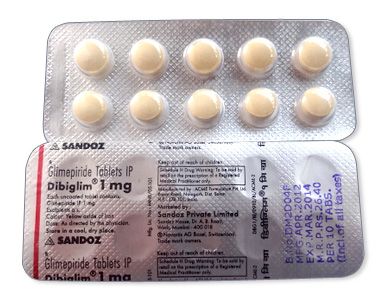
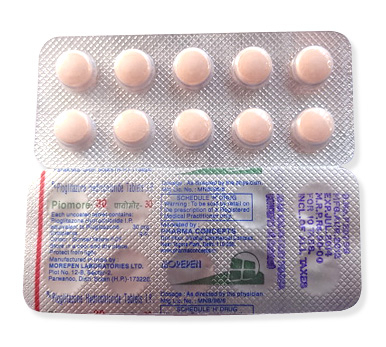
- Amaryl is given orally as tablets, commonly available in 1 mg, 2 mg, 3 mg and 4 mg strengths, typically supplied in blister packs or bottles.
- The onset of blood‑glucose lowering effect is usually within about 1–2 hours, with measurable effects within the first few hours after dosing.
- The duration of action is prolonged — effects commonly last up to 24 hours, which allows once‑daily dosing.
- Do not consume excessive alcohol while taking Amaryl; alcohol can increase the risk of hypoglycaemia and may impair recognition or recovery from low blood sugar.
- The most common side effect is hypoglycaemia (low blood sugar); other frequent effects include headache, dizziness, nausea, weight gain and sweating or tremor associated with low glucose.
- Would you like to try amaryl without a prescription?
Latest Research Highlights
Basic Amaryl Information
- INN (International Nonproprietary Name): Glimepiride
- Brand Names Available In United Kingdom: Amaryl (Sanofi) is marketed widely in the EU and is the principal brand; generics and other suppliers such as HEXAL and Intas are available in various territories and may be supplied in the UK market through wholesalers or pharmacy procurement.
- ATC Code: A10BB12
- Forms & Dosages: Tablets 1 mg, 2 mg, 3 mg (less common) and 4 mg; common pack sizes include 30, 60 or 120 tablets.
- Manufacturers In United Kingdom: not specified; major global suppliers include Sanofi‑Aventis, HEXAL and Intas — UK supply is via local distributors and generic manufacturers.
- Registration Status In United Kingdom: Approved/registered in the EMA/EU framework; prescription‑only status applies (Rx).
- OTC / Rx Classification: Rx (Prescription only)
Why are clinicians still talking about glimepiride for type 2 diabetes?
Recent UK and EU analyses from 2022–2024 continue to support glimepiride's role in lowering blood sugar when added to lifestyle measures or metformin.
Across trials and registry series the typical HbA1c reductions reported fall in the range of about 0.6% to 1.2%, depending on baseline glycaemia and whether it is used alone or as add‑on therapy.
Comparative cohort work in NHS populations suggests glimepiride achieves glycaemic control similar to older sulfonylureas but with a lower relative risk of severe hypoglycaemia compared with glyburide/glibenclamide.
Cardiovascular outcome data specific to glimepiride remain limited; meta‑analyses that pool older sulfonylurea trials show neutral to mixed signals rather than a clear benefit.
EU pharmacovigilance and MHRA Yellow Card reporting consistently list hypoglycaemia as the most frequent serious complaint, with occasional reports of hepatic enzyme changes.
| Study Type | HbA1c Reduction | Hypoglycaemia Signal | Typical Study Size |
|---|---|---|---|
| Placebo‑controlled RCTs (add‑on) | ~0.6%–1.0% | Increased vs placebo; mostly mild‑moderate | Several hundred patients |
| Add‑on To Metformin (real‑world cohorts) | ~0.8%–1.2% | Lower severe hypo risk than glyburide/glibenclamide in NHS cohorts | Hundreds–thousands |
| Registry/Observational (pharmacovigilance) | Variable — dependent on baseline | Hypoglycaemia most frequent serious report; occasional hepatic enzyme elevations | Large registries, thousands |
Clinical Effectiveness In The UK
Who benefits most from glimepiride in UK primary care?
Glimepiride is used mainly as a second‑ or third‑line oral option where metformin is insufficient or not suitable.
NHS electronic health record analyses show consistent improvements in fasting and post‑prandial glucose when glimepiride is added to metformin, aligning with standard dosing of 1–2 mg started with breakfast and maintenance of 1–4 mg once daily.
Patient‑reported outcomes on sites such as Patient.info and local diabetes groups report reliable HbA1c control but recurring concerns about hypoglycaemia and modest weight gain.
In routine practice UK GPs tend to prescribe the lowest effective dose, emphasise frequent SMBG during titration, and switch frail or older patients to conservative regimens or to alternatives when risk is high.
Primary‑care audits show increasing switch rates to DPP‑4 inhibitors or SGLT2 inhibitors because of tolerability and cardiovascular or renal benefit profiles.
- Key NHS outcome metrics: Typical HbA1c fall ~0.6%–1.2% depending on baseline.
- Hypoglycaemia episodes: Mostly mild‑moderate; severe events less frequent than with glyburide in cohort studies.
- Discontinuation rate: Driven by hypos, weight concerns or formulary switches (gliclazide often preferred locally).
Indications And Expanded Uses
Can glimepiride be used for anything other than type 2 diabetes?
MHRA and European marketing authorisations restrict glimepiride to adults with type 2 diabetes mellitus as an oral antihyperglycaemic agent.
The licensed indication is for adults inadequately controlled on diet, exercise and metformin, or where metformin is unsuitable.
Off‑label uses in UK practice are limited and usually confined to specialist care; examples include combination therapy with insulin under specialist supervision.
Use in pregnancy and breastfeeding is generally avoided and insulin is preferred by specialist diabetes teams.
Contraindications per the product information include type 1 diabetes, diabetic ketoacidosis, and severe hepatic or renal impairment.
| Use | MHRA/License | Typical NHS Practice |
|---|---|---|
| Type 2 Diabetes (adults) | Licensed | Second/third‑line oral agent; often added to metformin |
| Combination With Insulin | Not licensed specifically; used under specialist care | Occasional specialist use |
| Gestational Diabetes | Not recommended; insulin preferred | Avoid; refer to specialist maternity diabetes services |
Composition And Brand Landscape
What will my prescription label say and what brands might the pharmacy supply?
Glimepiride is the active ingredient (INN) and belongs to the sulfonylurea class of blood‑glucose lowering drugs (ATC A10BB12).
Amaryl is the major brand originating from Sanofi and is available in 1 mg, 2 mg, 3 mg and 4 mg tablet strengths.
Generics and alternative manufacturers such as HEXAL and Intas supply lower‑cost options which are commonly used by NHS supply chains.
GPs in the NHS usually prescribe by the generic name "glimepiride" to permit substitution with cost‑effective generics.
| Strength | Typical Pack Sizes | Manufacturer Options |
|---|---|---|
| 1 mg | 30, 60, 120 | Sanofi (Amaryl), generics |
| 2 mg | 30, 60, 120 | Sanofi (Amaryl), generics |
| 3 mg | Market dependent (less common) | Sanofi, select generics |
| 4 mg | 30, 60, 120 | Sanofi (Amaryl), generics |
Reading your label: the active name 'glimepiride' may be shown with the brand in brackets, for example "glimepiride (Amaryl)".
Contraindications And Special Precautions
Who should not take glimepiride and what should be checked before supply?
Absolute contraindications include hypersensitivity to sulfonylureas, type 1 diabetes and diabetic ketoacidosis.
Severe hepatic or renal impairment is also a contraindication or a reason for strong caution in dosing.
High‑risk groups include the elderly, malnourished patients, those with adrenal or pituitary insufficiency, G6PD deficiency and people with a history of severe hypoglycaemia.
Practical daily‑life restrictions include careful driving guidance after hypoglycaemia or during dose changes and limiting alcohol because it can increase hypo risk.
- Pharmacist checklist before supply: Age, renal and liver function, pregnancy/breastfeeding status, prior severe hypoglycaemia, current alcohol or interacting medicines.
- Pregnancy: Generally avoid; refer to specialist maternity diabetes services.
Dosage Guidelines
How should glimepiride be started and monitored in the NHS?
Standard adult initiation is 1–2 mg once daily with breakfast or the main morning meal, and maintenance is usually 1–4 mg once daily, with some markets permitting up to 8 mg/day under careful monitoring.
The NHS favours starting at 1 mg in elderly or at‑risk patients and titrating slowly, typically every 1–2 weeks, guided by SMBG and HbA1c targets.
Children are generally not recommended to use glimepiride because safety and efficacy are not established.
In renal or hepatic impairment start conservatively at 1 mg and monitor closely; avoid in severe impairment.
| Patient Group | Initial Dose | Maintenance | Max |
|---|---|---|---|
| Adults | 1–2 mg once daily | 1–4 mg once daily | 8 mg/day (market dependent) |
| Elderly / Frail | Start 1 mg; titrate slowly | Lowest effective dose | Individualised |
| Renal / Hepatic Impairment | Start 1 mg with slow titration | Monitor closely; avoid if severe | Individualised |
Titration monitoring steps:
- Confirm baseline SMBG or clinic glucose and HbA1c.
- Advise SMBG more frequently during up‑titration (before meals and at times of suspected hypo).
- Review HbA1c at 8–12 weeks after dose stabilisation.
Interactions Overview
Which medicines and foods change how glimepiride works?
Several drugs can potentiate hypoglycaemia if taken with glimepiride, including other insulin secretagogues and insulin itself.
Certain antibiotics such as fluoroquinolones, some antiplatelets and anticoagulants, ACE inhibitors and alcohol can also increase hypoglycaemia risk.
Conversely, drugs that raise blood glucose include systemic corticosteroids, some anticonvulsants and atypical antipsychotics.
Food timing matters — taking the tablet with breakfast aligns peak insulin release with a meal and reduces hypo risk associated with skipped meals.
| Drug/Class | Expected Interaction |
|---|---|
| Insulin / Other Secretagogues | Major — increased hypoglycaemia risk |
| Fluoroquinolones | Moderate — reported hypo potentiation |
| Corticosteroids | Moderate — may raise blood glucose, reducing effect |
| Alcohol | Major — increases hypo risk and may mask symptoms |
Pharmacists should check the MHRA Yellow Card for recent safety alerts and counsel patients on recognising and acting on hypoglycaemia.
Cultural Perceptions And Patient Habits
What do UK patients say about glimepiride on forums and in pharmacies?
On patient forums such as Patient.info and Mumsnet common themes are effective glucose control balanced against a fear of hypos and concerns about weight gain.
There is strong reliance on pharmacist advice and NHS services, and many patients expect clear face‑to‑face counselling at Boots, LloydsPharmacy or their local chemist.
Electronic prescriptions (EPS) have improved convenience but increase the need for reliable pharmacist communication when doses change.
Using both the generic name and brand — for example "glimepiride (Amaryl)" — helps bridge brand recognition and reduces confusion at the point of dispensing.
- Common patient terms mapped: "Hypo" = hypoglycaemia.
- Patients value simple written instructions, SMBG targets and a clear action plan for low blood sugar.
Availability And Pricing Patterns
How easy is it to get glimepiride in the UK and what will it cost?
Glimepiride (Amaryl and generics) is prescription‑only in the UK, consistent with MHRA and EMA classification.
Availability is generally high across major chains and independent pharmacies, and EPS makes collection straightforward for most patients.
Prescription charges vary by nation: England charges the standard NHS prescription fee unless exempt, while Scotland, Wales and Northern Ireland do not charge patients for prescriptions.
Private purchase without an NHS prescription is possible but more expensive and uncommon.
In our online pharmacy, amaryl is available without a prescription, with discreet delivery to United Kingdom in 5–14 days.
| Nation | Patient Prescription Charge |
|---|---|
| England | Standard prescription fee applies unless exempt |
| Scotland | No charge to patient |
| Wales | No charge to patient |
| Northern Ireland | No charge to patient |
To obtain a supply use EPS through your GP or a paper prescription; private or online pharmacies will usually request an electronic or scanned prescription.
Comparable Medicines And Prescribing Preferences
Which alternatives might a GP consider instead of glimepiride?
NHS prescribers commonly choose between sulfonylureas such as gliclazide, glipizide and glimepiride, or newer agents including DPP‑4 inhibitors and SGLT2 inhibitors.
Gliclazide is frequently preferred on local formularies because of a lower hypoglycaemia profile.
Advantages of glimepiride include effective HbA1c reduction, once‑daily dosing and low acquisition cost in generic form.
Disadvantages include hypoglycaemia risk, potential weight gain and limited dedicated cardiovascular outcome data versus SGLT2 inhibitors or GLP‑1 receptor agonists.
| Medicine | Efficacy (HbA1c) | Hypoglycaemia Risk | Weight Effect | Cost |
|---|---|---|---|---|
| Glimepiride | Moderate (0.6%–1.2%) | Moderate | May cause weight gain | Low (generics) |
| Gliclazide | Similar | Lower | Neutral to gain | Low |
| SGLT2 Inhibitors | Moderate | Low | Weight loss | Higher |
| DPP‑4 Inhibitors | Modest | Low | Weight neutral | Higher |
NICE guidance and individual comorbidities (cardiovascular or renal disease) increasingly steer prescribers toward SGLT2 inhibitors or GLP‑1 RAs when appropriate.
FAQ
Can I drive while taking glimepiride?
Yes, provided you are well controlled and free of hypoglycaemia; after dose changes or a hypoglycaemic episode avoid driving until you are stable.
What should I do if I miss a dose?
Take it as soon as you remember unless the next dose is due soon; do not double up.
Can I drink alcohol while taking glimepiride?
Limit alcohol because it increases the risk of hypoglycaemia and can mask symptoms.
Is glimepiride safe for older people?
Use with caution in older adults; start at 1 mg and monitor closely for hypoglycaemia.
Suspected Hypoglycaemia Decision Flow:
- If conscious and able to swallow, take 15–20 g fast‑acting carbohydrate (juice, glucose tablets).
- Recheck blood glucose after 10–15 minutes; repeat if still low.
- If unconscious or cannot swallow, call emergency services and administer glucagon if trained and available.
- Contact your GP, diabetes nurse or NHS 111 for follow‑up; report severe events to the practice and consider medication review.
Guidelines For Proper Use
What should a pharmacist cover at the counter when dispensing glimepiride?
Confirm the indication for type 2 diabetes and review contraindications such as pregnancy, severe liver or kidney disease and known sulfonylurea allergy.
Explain dosing timing: take once daily with breakfast or the main morning meal, starting at 1–2 mg as directed by the prescriber.
Warn about hypoglycaemia: describe symptoms, advise carrying fast‑acting carbohydrates and explain when to seek help.
Highlight interactions with alcohol and other medicines and advise on SMBG during titration.
Document counselling in the NHS patient record and signpost patients to NHS diabetes education, local diabetes nurse clinics and the NHS App for information.
- Pharmacist Counselling Checklist: Confirm indication, check renal/liver function, review current medicines, advise on dosing and hypos, provide written leaflet, log counselling.
- Follow‑Up Template For Records: Started glimepiride 1–2 mg OD with breakfast; counselled on hypos and interactions; SMBG advised; GP review in 4–12 weeks.
Delivery Across United Kingdom
| City | Region | Delivery Time |
|---|---|---|
| London | England | 5–7 days |
| Birmingham | England | 5–7 days |
| Manchester | England | 5–7 days |
| Leeds | England | 5–7 days |
| Glasgow | Scotland | 5–7 days |
| Edinburgh | Scotland | 5–7 days |
| Bristol | England | 5–7 days |
| Cardiff | Wales | 5–7 days |
| Belfast | Northern Ireland | 5–7 days |
| Newcastle | England | 5–9 days |
| Nottingham | England | 5–9 days |
| Sheffield | England | 5–9 days |
| Brighton | England | 5–9 days |
| Plymouth | England | 5–9 days |