
Diabetes
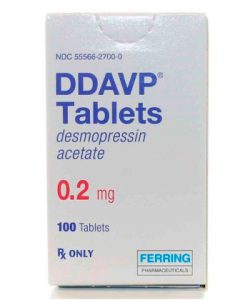
Ddavp
from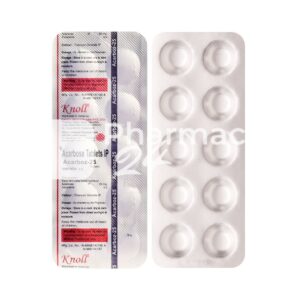
Glucobay
from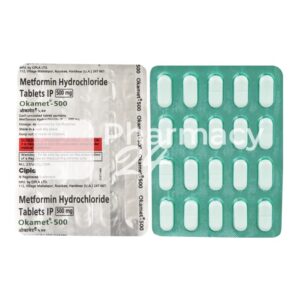
Glucophage Sr
from
Glucovance
from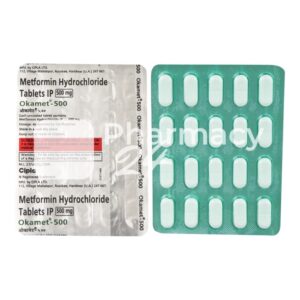
Metformin
from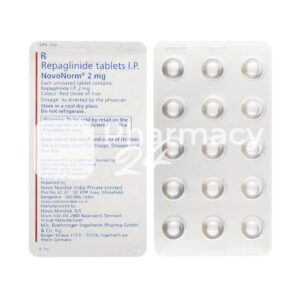
Novonorm
fromUnderstanding Diabetes
Diabetes is a chronic condition that affects how your body regulates blood glucose levels. When you have diabetes, your body either cannot produce enough insulin or cannot use insulin effectively. Insulin is a hormone that helps move glucose from your bloodstream into your cells, where it’s used for energy.
There are several types of diabetes. Type 1 diabetes occurs when the pancreas cannot produce insulin at all, usually appearing in childhood or early adulthood. Type 2 diabetes is the most common form, developing when the body becomes resistant to insulin or doesn’t produce enough of it. Gestational diabetes occurs during pregnancy and usually resolves after birth.
Understanding your diabetes type is essential for managing your condition properly. Each type requires different treatment approaches and lifestyle modifications. Your pharmacist can help you understand your specific diagnosis and what it means for your daily life.
Type 1 Diabetes Treatment
Type 1 diabetes requires insulin replacement therapy since the body cannot produce sufficient insulin naturally. Most people with Type 1 diabetes need to take insulin multiple times daily through injections or insulin pumps.
Common Insulin Types Available in the UK
Rapid-acting insulins work quickly to cover meals and include products like NovoLog and Humalog. These begin working within 10-15 minutes and reach peak effectiveness in about an hour.
Long-acting insulin basal insulins provide steady background insulin coverage throughout the day and night. Levemir and Lantus are popular long-acting options available through NHS prescriptions across the United Kingdom.
Intermediate-acting insulins like Insulatard work between rapid and long-acting types. Many people use a combination of different insulin types to manage their blood sugar effectively.
Your doctor will determine the right insulin regimen based on your lifestyle, dietary habits, and blood sugar patterns. Regular monitoring and adjustment of insulin doses are crucial for optimal control.
Type 2 Diabetes Medications
Type 2 diabetes can often be managed with oral medications, lifestyle changes, or a combination of both. The NHS offers several medication options to help control blood glucose levels.
Metformin
Metformin is usually the first medication prescribed for Type 2 diabetes. It works by reducing glucose production in the liver and improving insulin sensitivity. Metformin is taken orally, typically twice daily, and is available in immediate-release and modified-release formulations. Most people tolerate it well, though some experience digestive side effects initially.
SGLT2 Inhibitors
SGLT2 inhibitors like Dapagliflozin and Canagliflozin help kidneys remove excess glucose through urine. These medications offer cardiovascular and weight management benefits alongside blood sugar control. They’re taken once daily as oral tablets.
GLP-1 Receptor Agonists
GLP-1 agonists including Saxenda and Victoza increase insulin secretion and reduce appetite. These injectable medications are particularly beneficial for patients needing weight management alongside glucose control. They’re administered once weekly or daily depending on the specific medication.
Sulfonylureas
Sulfonylureas like Gliclazide and Glibenclamide stimulate the pancreas to release more insulin. These medications are taken orally and work effectively but may cause weight gain and increase hypoglycaemia risk.
Blood Sugar Monitoring and Testing
Proper blood glucose monitoring is essential for managing diabetes effectively. Regular testing helps you understand how different foods, activities, and medications affect your blood sugar.
Home Blood Glucose Meters
Blood glucose meters measure your blood sugar levels from a small drop of blood obtained by finger-pricking. You’ll test at various times throughout the day, typically before meals and at bedtime. Modern meters are quick, requiring only a few seconds to display results.
Continuous Glucose Monitors
Continuous glucose monitoring systems provide real-time glucose readings throughout the day and night. These small devices worn on your body transmit data to a receiver or smartphone app. They’re particularly useful for people with Type 1 diabetes or those struggling with blood sugar stability.
HbA1c Testing
HbA1c testing measures your average blood glucose levels over approximately three months. This blood test shows how well your diabetes management plan is working and whether medication or lifestyle adjustments are needed. Most people aim for an HbA1c below 48 mmol/mol (6.5%).
Regular monitoring helps prevent dangerous blood sugar levels and reduces complications from poorly controlled diabetes.
Lifestyle Management and Prevention
Alongside medications, lifestyle changes are crucial for managing diabetes effectively. These changes can significantly improve blood sugar control and reduce complications.
Dietary Management
A balanced diet rich in vegetables, whole grains, and lean proteins helps maintain stable blood glucose levels. Limiting refined sugars, processed foods, and sugary drinks is essential. Working with a dietitian can help you create a personalised meal plan that works for your lifestyle and preferences.
Physical Activity
Regular exercise improves insulin sensitivity and helps maintain healthy weight. Aim for at least 150 minutes of moderate-intensity activity weekly, such as brisk walking, swimming, or cycling. Even short activity bursts throughout the day are beneficial.
Weight Management
Losing weight if you’re overweight can significantly improve blood sugar control and reduce medication requirements, particularly for Type 2 diabetes. Even a 5-10% weight reduction can have meaningful benefits.
Stress Reduction
Stress hormones can raise blood glucose levels. Managing stress through relaxation techniques, mindfulness, or counselling supports better diabetes control.
Complications Prevention and Long-term Support
Diabetes can lead to serious complications if not properly managed, including heart disease, kidney damage, and vision problems. Prevention through good control and regular screening is essential.
Regular Health Checks
Annual health checks monitor your cardiovascular health, kidney function, and eye health. Foot examinations detect early signs of nerve damage or circulation problems. Regular dental check-ups prevent infections that complicate diabetes management.
Diabetes Support Services
The NHS provides diabetes clinics, education programmes, and specialist nurses who help you manage your condition effectively. Your GP and pharmacist are valuable resources for medication reviews and lifestyle advice.
Key Steps for Effective Diabetes Management
- Take medications exactly as prescribed to prevent complications
- Monitor your blood glucose regularly using home meters or continuous glucose monitors
- Maintain a balanced diet and limit refined sugars
- Engage in at least 150 minutes of moderate exercise weekly
- Attend annual health checks for cardiovascular, kidney, and eye monitoring
- Manage stress through relaxation techniques and support services
- Speak with your pharmacist about any medication concerns or side effects
Taking medications exactly as prescribed is vital for preventing complications. If you experience side effects or concerns about your medications, speak with your pharmacist rather than stopping treatment.
Working closely with your healthcare team and staying committed to your management plan helps you live well with diabetes and reduces your risk of serious complications. Your local pharmacist is always available to answer questions about your medications and provide support for your diabetes management.