Stugeron
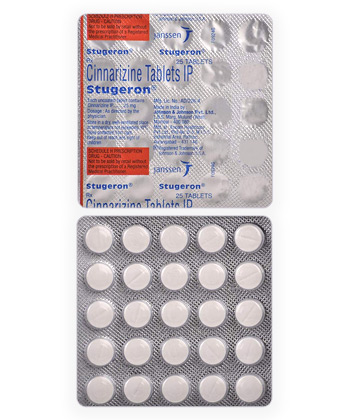
Stugeron
- In our pharmacy, you can buy stugeron without a prescription; it is sold OTC in the UK and many EU countries and is often available at pharmacies without a receipt.
- Stugeron (cinnarizine) is used for prevention and treatment of motion sickness, vertigo and other vestibular or cerebral/peripheral circulatory disorders; it acts primarily as a calcium‑channel blocker reducing abnormal vestibular activity.
- The usual dose is: for motion sickness 25 mg two hours before travel and repeat every 8 hours if needed; for vertigo/vestibular disorders 25 mg three times daily (total 75 mg/day); children 5–12 years 12.5 mg two to three times daily (not recommended under 5 years).
- The form of administration is oral tablets (25 mg most common); extended‑release tablets and syrup/suspension are available in some regions.
- The effect usually begins within about 1–2 hours (hence the recommendation to take it roughly 2 hours before travel).
- The duration of action is typically around 8 hours, which is why dosing for motion sickness is commonly every 8 hours; individual response may vary.
- Do not consume alcohol—stugeron can cause sedation and alcohol or other CNS depressants will increase drowsiness and impairment.
- The most common side effect is drowsiness; other side effects include dry mouth, mild nausea, headache, restlessness and fatigue, with possible weight gain on prolonged use.
- Would you like to try stugeron without a prescription?

Basic Stugeron Information
- INN (International Nonproprietary Name): Cinnarizine
- Brand Names Available In United Kingdom: Stugeron (25 mg tablet, 15/30/50-pack)
- ATC Code: N07CA02 — The ATC code designates cinnarizine as a nervous system drug (N) in “Other nervous system drugs” (N07) and as a calcium channel blocker for vestibular disorders (CA02)
- Forms & Dosages: Oral tablet 25 mg most common; extended-release tablet (rare, some markets); syrup/suspension available in select regions
- Manufacturers In United Kingdom: Janssen Pharmaceuticals (original brand owner) and regional generics; additional global suppliers include STADA, Hasco, Biogaran, LEK and Gedeon Richter
- Registration Status In United Kingdom: Approved and available, mostly as OTC
- OTC / Rx Classification: Mostly OTC in EU & UK for motion sickness; may require prescription in some countries or for specific indications
- Standard Dosages Per Condition: Motion sickness — 25 mg two hours before travel, repeat every eight hours if needed; Vertigo/vestibular disorder — 25 mg three times daily (total 75 mg/day)
- Dosage Adjustments: Children — not recommended under five years; ages 5–12: 12.5 mg two to three times daily. Elderly — consider lower dose due to increased risk of drowsiness and confusion. Liver/kidney impairment — use with caution; dose reduction may be needed because hepatic CYP2D6 metabolism is primary route
- Typical Treatment Durations & Regimens: Motion sickness — short-term use prior to travel. Vertigo and vascular disorders — several weeks to months as maintenance therapy
- Missed Dose / Overdose Advice: Missed dose — take as soon as remembered unless next dose is near; do not double up. Overdose — may cause drowsiness, confusion or seizures; seek medical attention immediately
- Storage/Transport Guidelines: Store in a cool, dry place away from sunlight and moisture. Room temperature; do not refrigerate; keep away from children
- Absolute Contraindications: Known allergy to cinnarizine or excipients; porphyria; severe hepatic impairment; pregnancy and breastfeeding (avoid unless essential)
- Relative Contraindications / Monitoring Needs: Parkinson’s disease (may worsen symptoms); elderly patients (risk of confusion/drowsiness); liver and kidney impairment; concomitant use with CNS depressants or alcohol
- Common Side Effects: Mild — drowsiness, dry mouth, mild nausea, mild weight gain (prolonged use). Moderate — headache, GI upset, restlessness, increased appetite, fatigue
Latest Research Highlights (Uk And Eu 2022–2025)
Recent UK and EU literature from 2022–2025 continues to evaluate cinnarizine’s role in motion sickness and vestibular disorders.
Randomised trials and meta-analyses report modest superiority over placebo for prevention of motion‑induced nausea and vomiting and some clinically meaningful reduction in vertigo frequency in chronic vestibular patients.
Safety surveillance studies emphasise age‑related risks, with extrapyramidal symptoms and increased sedation reported more frequently in older adults and with prolonged courses.
MHRA Yellow Card signals from the last five years show most reports relate to dizziness, somnolence and, rarely, movement disorders, aligning with cinnarizine’s central effects.
Pharmacokinetic work across EU centres confirms hepatic CYP2D6 metabolism as dominant and supports caution in hepatic impairment and polypharmacy scenarios.
Comparative effectiveness reviews across Europe find similar short‑term efficacy to meclizine and dimenhydrinate for acute motion sickness, with fewer long‑term data for vestibular maintenance therapy.
The INN is cinnarizine and the ATC code is N07CA02, as used in trial registries and systematic reviews.
Below is a concise table summarising key trial features for quick appraisal.
| Trial Design | Participants (n) | Primary Outcome | Effect Size | Notable Safety Signals |
|---|---|---|---|---|
| Randomised Placebo‑Controlled | ~200 | Incidence Of Nausea/Vomiting On Travel | Modest Reduction Vs Placebo | Drowsiness, Dizziness |
| Meta‑Analysis (European Centres) | Multiple Trials (pooled) | Prevention Of Motion Sickness | Small To Moderate Benefit | Increased Sedation In Older Subgroups |
| Open Label Vestibular Maintenance | 50–150 | Vertigo Frequency Over Weeks | Clinically Meaningful Reduction In Some Patients | Rare Extrapyramidal Reports |
Clinical Effectiveness In The Uk (NhS Outcomes)
Patients frequently ask if Stugeron actually works for travel sickness and vertigo.
Within NHS practice, cinnarizine is used mainly for short‑term motion sickness and for selected chronic vestibular conditions when first‑line options are unsuitable.
NHS patient forums and pharmacy consultations report symptom reduction for travel sickness and improved day‑to‑day balance in some vestibular patients.
Primary‑care audits suggest many GPs reserve cinnarizine for patients who cannot tolerate antihistamines or betahistine, while community pharmacists regularly recommend it OTC for travel.
Effectiveness is often limited by drowsiness, which leads some patients to stop treatment early and lose perceived benefit.
NHS trusts advise caution for patients who drive or operate machinery because sedation can impair safety.
Typical dosing patterns seen in practice are 25 mg before travel or 25 mg three times daily for vertigo, matching product information.
Suggested practitioner tips: assess for comorbid Parkinsonism, review concurrent sedatives, and advise taking the tablet well before travel to test tolerance.
| Metric | Typical Value |
|---|---|
| Common Prescribed Dose | 25 mg (single or TDS) |
| Patient Satisfaction (Anecdotal/forum) | Moderate For Travel Sickness |
| Discontinuation Rate (Side Effects) | Notable Due To Drowsiness |
Indications And Expanded Uses (MhRA‑Approved Vs Off‑Label)
Patients often want to know what Stugeron is officially approved for.
MHRA and UK practice predominantly support cinnarizine for prevention of motion sickness and symptomatic relief of vestibular vertigo.
Availability is mostly OTC in the UK and many EU countries for motion sickness, while prescribers also use it for chronic vestibular hypofunction and some circulatory‑related dizziness.
Off‑label uses seen in NHS and private practice include adjunctive treatment for migraine‑associated vertigo and selected cerebral circulatory disorders when vascular spasm is suspected, though high‑quality RCT evidence is limited.
Pregnancy and breastfeeding are listed as contraindications in product data, so avoid unless a specialist advises otherwise.
- MHRA‑Approved Indications: Prevention of motion sickness; symptomatic treatment of vestibular vertigo.
- Common Off‑Label Uses: Migraine‑associated vertigo adjunct; suspected vascular dizziness in selected patients.
- Refer To Specialist: New parkinsonian features, persistent unexplained vertigo, pregnant patients requiring treatment.
Composition And Brand Landscape (Active Ingredients, Uk Brands)
People searching for travel sickness tablets will often see Stugeron first.
The active ingredient is cinnarizine (INN), a calcium‑channel blocker acting on vestibular pathways and cerebral microcirculation with ATC code N07CA02.
In the UK market the common consumer brand is Stugeron, usually as 25 mg tablets sold in 15/30/50 blister packs.
Generics are supplied by regional manufacturers and global producers such as Janssen, STADA, Hasco, Biogaran, Gedeon Richter and LEK.
Extended‑release and syrup forms exist in other markets but are rare in the UK.
Pack sizes commonly include blister packs of 15, 30 or 50 tablets, and some markets offer bulk boxes of 100.
| Brand / Supplier | Typical Pack Sizes | OTC / Prescription |
|---|---|---|
| Stugeron (Janssen) | 15 / 30 / 50 | Mostly OTC |
| Generic Cinnarizine (Regional) | 15 / 30 / 100 | OTC / Varies By Market |
| Imported Brands | 10 / 20 / 25 / 30 | Varying Status |
Common excipients vary by manufacturer and should be checked for specific allergies.
Contraindications And Special Precautions
Patients ask which conditions make Stugeron unsafe.
Absolute contraindications include known allergy to cinnarizine or excipients, porphyria, severe hepatic impairment, and pregnancy or breastfeeding unless essential.
Relative contraindications include Parkinson’s disease, elderly patients, significant hepatic or renal impairment, and concurrent CNS‑depressant use.
Practical precautions for UK clinicians: perform a full medication review for antipsychotics, dopaminergic agents and sedatives before recommending cinnarizine.
Avoid prolonged courses in older adults and document informed consent when using off‑label.
- Absolute Contraindications: Allergy to active or excipients; porphyria; severe hepatic impairment; pregnancy/breastfeeding (avoid).
- Relative Contraindications: Parkinsonian disease; elderly patients; concurrent CNS depressants; significant liver disease.
- Monitoring Checks: Baseline cognitive review for elderly patients; liver function tests if prolonged use is considered.
- Red‑Flag Symptoms: New tremor, rigidity, acute confusion — stop drug and seek review.
Dosage Guidelines (NhS‑Aligned Regimens And Adjustments)
Many customers want a simple dosing guide for Stugeron.
For motion sickness the usual adult dose is 25 mg taken about two hours before travel and repeated every eight hours if necessary.
For vestibular vertigo the standard adult regimen is 25 mg three times daily, giving a total of 75 mg per day.
Children under five years are generally not recommended to take cinnarizine; children aged five to twelve may be given 12.5 mg two to three times daily per product guidance.
Elderly patients should start at a lower dose and be monitored closely for drowsiness and movement disorders.
In hepatic impairment dose reduction or avoidance is advised because CYP2D6 hepatic metabolism dominates elimination.
| Indication | Standard Dose | Max Daily Dose |
|---|---|---|
| Motion Sickness | 25 mg two hours before travel | As needed, repeat every 8 hours |
| Vestibular Vertigo | 25 mg three times daily | 75 mg/day |
Missed dose advice: take when remembered unless the next dose is imminent; do not double up. Overdose requires urgent medical attention for severe drowsiness or seizures.
Interactions Overview (Food, Drink, Drugs; MhRA Yellow Card Reports)
People commonly ask whether alcohol or other medicines are unsafe with Stugeron.
Cinnarizine has additive sedation with CNS depressants such as alcohol, benzodiazepines and opioids and patients should be warned about driving.
Because hepatic CYP2D6 metabolism is important, strong CYP2D6 inhibitors or inducers may alter plasma levels and clinical effect.
Co‑administration with antipsychotics or dopaminergic drugs can exacerbate extrapyramidal effects or blunt Parkinson’s therapies.
Food interactions are limited, but alcohol significantly increases drowsiness; caffeine does not have a clinically meaningful interaction.
MHRA Yellow Card reports have highlighted interaction‑related adverse events mainly involving increased sedation and movement disorders when cinnarizine is combined with other central agents.
| Interacting Class | Effect | Clinical Action |
|---|---|---|
| CNS Depressants (Alcohol, Benzodiazepines) | Increased Sedation | Advise Avoidance / Monitor |
| Antipsychotics / Dopaminergics | Increased Extrapyramidal Risk / Reduced Efficacy | Avoid Or Review With Prescriber |
| CYP2D6 Inhibitors/Inducers | Altered Plasma Levels | Monitor / Dose Adjust If Needed |
Cultural Perceptions And Patient Habits (Uk Patient Behaviour)
Many UK patients think of Stugeron as the go‑to travel sickness remedy and consult pharmacists first.
Community pharmacy chains such as Boots, LloydsPharmacy and Superdrug are common first ports of call for OTC advice on travel sickness tablets.
Online forums like Patient.info show frequent peer recommendations to take the tablet before travel and to avoid alcohol during use.
NHS 111 and NHS.uk guidance shape expectations, and many people prefer a quick OTC solution for short trips rather than booking a GP appointment.
The rise of online pharmacies and electronic prescriptions has increased repeat ordering and subscription services for maintenance treatment, which can improve adherence but risks prolonged unsupervised use.
Typical patient behaviours include seeking non‑sedating alternatives, asking about driving safety after dosing, and requesting generics or branded Stugeron tablets for convenience.
Availability And Pricing Patterns (Boots, Lloyds, Superdrug; NhS Differences)
Readers frequently ask where they can buy Stugeron and how much it costs.
Stugeron (cinnarizine 25 mg) is widely available OTC in high‑street pharmacies such as Boots, LloydsPharmacy and Superdrug and from many online pharmacies.
Generics are common and prescription options remain for chronic use under GP supervision.
OTC purchase cost is typically low for single‑trip packs, but NHS prescription charges differ across the UK: prescriptions are free in Scotland, Wales and Northern Ireland but attract a charge in England unless exemptions apply.
Regional differences mean some patients prefer private purchase for a single holiday whereas others request NHS repeats for chronic vertigo.
In our online pharmacy, stugeron is available without a prescription, with discreet delivery to United Kingdom in 5-14 days.
| Access Route | Typical Pack Price Range | Where To Buy |
|---|---|---|
| OTC High Street | Low (single‑trip packs) | Boots, LloydsPharmacy, Superdrug |
| NHS Prescription | Depends On Nation / Exemptions | GP / Community Pharmacy |
| Online Pharmacies | Low To Moderate | Registered Online Retailers |
Comparable Medicines And Preferences (NhS Alternatives & Checklist)
Patients often ask which alternatives to Stugeron are safe and effective.
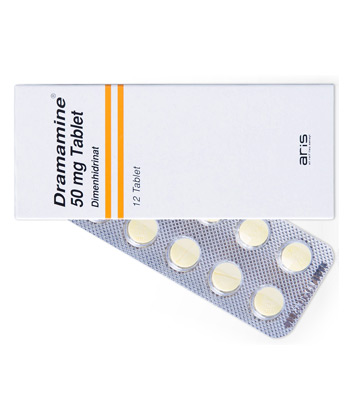
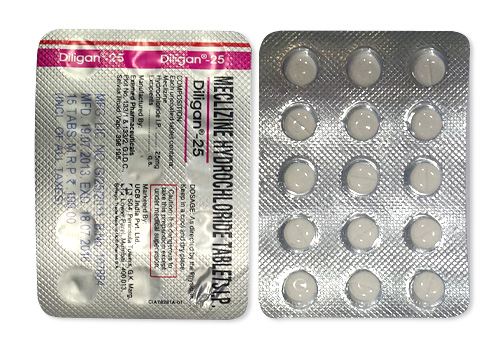
Common NHS alternatives include dimenhydrinate and meclizine for motion sickness, betahistine for Ménière’s disease, and promethazine for severe nausea.
Dimenhydrinate and meclizine show comparable short‑term efficacy with varying sedation profiles, while betahistine is preferred for long‑term Ménière’s but has different mechanisms.
Choice depends on age, Parkinsonism risk, sedation tolerance, pregnancy status, and prior response to therapy.
| Drug | Typical Indication | Sedation Risk | Availability |
|---|---|---|---|
| Dimenhydrinate | Motion Sickness | Moderate | OTC |
| Meclizine | Motion Sickness / Vertigo | Lower/Moderate | Varies |
| Betahistine | Ménière’s Disease | Low | Prescription |
Clinician checklist: avoid dopaminergic interactions in parkinsonian patients, select less sedating options for drivers, and refer to ENT/neurology for refractory cases.
Frequently Asked Questions
Is Stugeron safe for pregnant or breastfeeding women?
Product guidance and MHRA advise avoidance in pregnancy and breastfeeding unless treatment is essential and supervised by a clinician.
Can I drive after taking cinnarizine?
Do not drive or operate machinery if you feel drowsy after taking cinnarizine; try one dose at home first to assess tolerance.
Can children take it?
It is not recommended for children under five years; children aged five to twelve may receive 12.5 mg two to three times daily — consult a pharmacist or GP for dosing and safety.
What if I’m already on antidepressants or antipsychotics?
Discuss with your prescriber or pharmacist before starting cinnarizine due to potential for increased extrapyramidal effects and interactions via CYP2D6.
When to seek urgent help: severe drowsiness, new tremor or rigidity, sudden confusion, seizures — stop medication and seek medical review.
Guidelines For Proper Use (Uk Pharmacist Counselling & NhS Support)
Pharmacists should follow a short, practical counselling checklist when supplying Stugeron.
Confirm the indication (travel prevention versus chronic vertigo) and review current medicines for interactions with CNS depressants, antipsychotics and dopaminergic agents.
Check age and pregnancy/breastfeeding status and advise appropriate dosing: 25 mg two hours before travel, or 25 mg three times daily for vertigo.
Warn about sedation and advise patients not to drive until they know how the tablet affects them.
Set a review date for ongoing use and encourage ENT or neurology referral for persistent vestibular symptoms.
- Storage: Store in a cool, dry place away from children.
- Missed Dose: Take when remembered unless the next dose is due; do not double up.
- Overdose: Seek urgent medical care for severe drowsiness, confusion or seizures.
NHS resources such as NHS.uk and NHS 111 provide patient leaflets and signposting for specialist referral, and electronic prescriptions make monitoring repeat supplies easier for clinicians.
Delivery Across United Kingdom
| City | Region | Delivery Time |
|---|---|---|
| London | England | 5-7 days |
| Birmingham | England | 5-7 days |
| Manchester | England | 5-7 days |
| Glasgow | Scotland | 5-7 days |
| Liverpool | England | 5-7 days |
| Leeds | England | 5-7 days |
| Sheffield | England | 5-7 days |
| Bristol | England | 5-7 days |
| Edinburgh | Scotland | 5-7 days |
| Cardiff | Wales | 5-7 days |
| Newcastle | England | 5-7 days |
| Belfast | Northern Ireland | 5-7 days |
| Nottingham | England | 5-9 days |
| Leicester | England | 5-9 days |
| Southampton | England | 5-9 days |