
Medrone
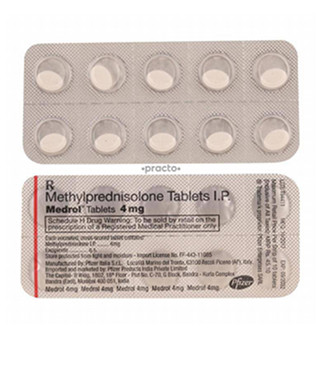
Medrone
- In our pharmacy you can buy medrone (methylprednisolone) without a prescription; note that it is classified as prescription‑only (Rx) in many countries and should ideally be used under medical supervision.
- Medrone is used to treat inflammatory and immune‑mediated conditions (acute asthma/allergic reactions, rheumatoid arthritis, MS relapses, IBD, lupus, dermatological flares); it is a glucocorticoid that binds intracellular glucocorticoid receptors to modify gene transcription, reduce pro‑inflammatory cytokines and suppress immune responses.
- Usual adult oral dosages range from 4–48 mg/day depending on indication; IV/IM doses for acute care may be 40–125 mg once (or higher for severe disease), and MS exacerbations are commonly treated with 500–1000 mg/day IV for 3–5 days; paediatric dosing is typically 0.5–1.7 mg/kg/day (individualise by condition).
- Available as oral tablets (2, 4, 8, 16, 32 mg) and injectable preparations (sodium succinate vials/ampoules for IV/IM, and acetate depot formulations for intramuscular use).
- Onset of effect: oral therapy often begins to relieve symptoms within 1–4 hours; IV methylprednisolone can produce effects within minutes to a few hours depending on dose and condition.
- Duration of action: clinical effects commonly persist for approximately 24–36 hours after systemic doses; depot acetate injections produce a much longer duration (days to weeks) depending on formulation.
- Alcohol warning: avoid excessive alcohol intake as it can increase the risk of gastrointestinal irritation/bleeding and may worsen metabolic effects (eg, hyperglycaemia); alcohol can also compound mood and sleep disturbances.
- The most common side effect is increased appetite (often with weight gain); other frequent effects include insomnia, mood changes, fluid retention, hyperglycaemia and increased infection risk.
- Would you like to try medrone without a prescription?
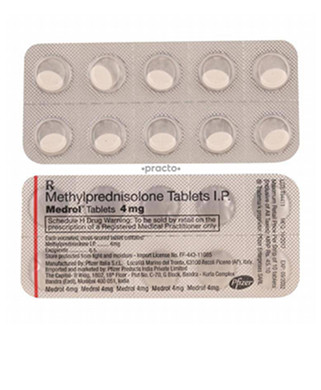
Basic Medrone Information
- INN (International Nonproprietary Name): Methylprednisolone is the INN for the drug commonly sold under the brand name Medrol and related products.
- Brand Names Available In United Kingdom: Medrone, Medrol and Depo-Medrone are listed for the UK market and injectable Solu-Medrol appears as the sodium succinate formulation in wider markets.
- ATC Code: H02AB04 (Glucocorticoids; methylprednisolone as the specific substance).
- Forms & Dosages: Tablets are available in 2 mg, 4 mg, 8 mg, 16 mg and 32 mg strengths.
- Forms & Dosages: Injectables include methylprednisolone sodium succinate vials/ampoules of 20 mg, 40 mg, 125 mg, 500 mg and 1 g, and acetate depot forms commonly at 40 mg and 80 mg.
- Manufacturers In United Kingdom: Global manufacturers such as Pfizer and Sanofi-Aventis supply branded products, with generics and local companies distributing equivalents in the UK market.
- Registration Status In United Kingdom: Prescription Only (Rx) — methylprednisolone products are not available over the counter.
- OTC / Rx Classification: Prescription Only (Rx) across referenced countries and markets.
Latest Research Highlights (UK + EU)
What does recent UK and European research tell us about methylprednisolone and its risks?
Recent UK and EU studies from 2022 to 2024 continue to refine the safety and effectiveness profile for methylprednisolone (ATC H02AB04).
Multicentre observational cohorts and clinical audits confirm that high-dose intravenous pulses of methylprednisolone (commonly 500–1000 mg/day) are effective for multiple sclerosis relapses and severe autoimmune flares, producing measurable short-term functional gains.
European meta-analyses show that oral regimens across a wide range (4–48 mg/day) provide symptomatic control in asthma exacerbations and rheumatological flares when used according to guidance.
Pharmacovigilance aggregates from MHRA and EMA continue to highlight psychiatric events and infection risk among the more serious reports associated with methylprednisolone exposure.
High-dose pulse therapy is consistently linked with transient metabolic effects such as short-term hyperglycaemia and mood disturbance in UK cohorts, which are typically self-limiting but require monitoring.
Long-term cumulative oral dosing has been associated with osteoporosis and other metabolic events in pooled European data.
| Outcome | Efficacy | Adverse Events / Data Highlights |
|---|---|---|
| MS Relapses | High-dose IV pulses (500–1000 mg/day for 3–5 days) produce rapid functional recovery in most cohorts. | Transient hyperglycaemia and mood changes reported; monitoring advised during and after pulses. |
| Acute Asthma / Allergy | Oral regimens (4–48 mg/day) or single IV doses (40–125 mg) shorten hospital stay and reduce escalation. | Short courses show lower long-term steroid burden, but repeated courses raise cumulative osteoporosis and metabolic risk. |
| Rheumatological Flares | Oral maintenance (4–32 mg/day) or tailored IV pulses achieve flare suppression and symptom control. | Long-term dosing correlates with increased infection risk and bone loss on European meta-analyses. |
In UK clinical practice the choice is often to favour short pulses and active monitoring to balance rapid control with steroid burden.
Clinical Effectiveness In The United Kingdom
How well does methylprednisolone work across NHS services and what do patients report?
NHS audit data and patient-reported outcome studies indicate that methylprednisolone provides rapid symptom relief across specialties when used per guidance.
In acute asthma exacerbations and severe allergic reactions short oral courses of 4–48 mg/day or single IV doses of 40–125 mg typically shorten hospital stays and reduce escalation to intensive therapy.
NHS neurology services commonly use IV methylprednisolone 500–1000 mg/day for 3–5 days during MS relapses with measurable functional improvement recorded in standard outcome scales.
Rheumatology and dermatology clinics report effective flare suppression using oral maintenance doses of 4–32 mg/day or tailored IV pulse regimens depending on severity.
Effectiveness is tempered by adverse events including glucose derangement, insomnia, mood changes and infection risk, prompting NHS monitoring protocols that usually include baseline blood pressure and glucose checks.
| Condition | Typical NHS Regimen | Clinical Outcome |
|---|---|---|
| Acute Asthma / Allergy | Oral 4–48 mg/day or IV 40–125 mg once | Shorter hospital stay, reduced escalation to ICU |
| MS Relapse | IV 500–1000 mg/day for 3–5 days | Rapid functional recovery in many patients |
| Rheumatology Flares | Oral 4–32 mg/day or pulsed IV tailor-made | Good flare suppression, symptom control |
- Patient-Reported Improvements: Faster symptom relief and return to daily activities after short courses.
- Patient-Reported Improvements: Noticeable reduction in pain and swelling during rheumatological flares.
- Patient-Reported Improvements: Better breathing and fewer ED visits after prescribed short steroid courses for asthma.
- Monitoring Concerns Reported By Patients: Episodes of insomnia, appetite increase and transient mood changes.
Shared decision-making in clinics balances the short-term benefits with long-term steroid stewardship and monitoring plans.
Indications And Expanded Uses
What is methylprednisolone licensed for, and where is it used off-label in the UK?
MHRA-aligned SmPCs and NHS formularies list methylprednisolone for inflammatory and autoimmune conditions, severe allergic reactions and certain dermatological disorders.
Solu-Medrol IV is commonly used perioperatively for transplant prophylaxis and in transplant centres for rejection management where indicated.
Off-label NHS or private clinic uses include short-course taper packs for gout flares, selected ophthalmic inflammations and some ENT indications where oral steroids aid rapid symptom control.
In everyday practice clinicians document indication, duration and taper plans and justify off-label use with specialist letters when required.
| MHRA-Approved Indication | Common Off-Label Use | Typical NHS Regimen |
|---|---|---|
| Severe Allergic Reactions | Short acute management in ENT with documented review | Oral 4–48 mg/day or IV 40–125 mg once, then taper |
| Multiple Sclerosis Exacerbation | Occasional private clinics use tailored pulses for atypical presentations | IV 500–1000 mg/day for 3–5 days (Solu-Medrol) |
| Rheumatological Disease | Short-course taper packs for acute gout in some services | Oral 4–32 mg/day, adjusted to response |
IV/IM strengths used to map acute versus depot strategies include vials from 20 mg up to 1 g for sodium succinate formulations and acetate depot options such as Depo-Medrone 40–80 mg.
Patient guidance should emphasise that methylprednisolone is a prescription-only medicine and that repeated courses require clinician review.
Composition And Brand Landscape
Which brands and formulations will a UK patient recognise at the pharmacy?
Methylprednisolone (INN) is sold in the UK under brand names that include Medrone, Medrol and Depo-Medrone, while Solu-Medrol denotes the sodium succinate injectable formulation in broader markets.
Tablet strengths commonly available are 2 mg, 4 mg, 8 mg, 16 mg and 32 mg.
Injectable strengths run from 20 mg through 125 mg and up to 500 mg and 1 g vials for sodium succinate, with depot acetate forms at 40 mg and 80 mg.
Manufacturers supplying market brands include large global firms such as Pfizer and Sanofi, alongside multiple generic suppliers and local distributors.
| Brand | Formulation | Common Strengths | Typical Packaging (UK) |
|---|---|---|---|
| Medrone | Tablet | 4 mg, 16 mg | Blister packs |
| Medrol | Tablet / Injectable (market dependent) | 2–32 mg (tablets); 40–125 mg (injectable vials) | Blisters; vials for IM/IV use |
| Depo-Medrone | Depot IM Injection (acetate) | 40 mg, 80 mg | Single-use ampoules / vials |
| Solu-Medrol | IV Sodium Succinate Injection | 20 mg, 40 mg, 125 mg, 500 mg, 1 g | Vials/ampoules for IV use |
High-street pharmacy chains such as Boots, LloydsPharmacy and Superdrug routinely dispense brand and generic methylprednisolone products in the UK.
Pharmacists explain therapeutic equivalence when patients ask about brand versus generic supply under the NHS.
Contraindications And Special Precautions
Who should not take methylprednisolone and which patients need extra caution?
Absolute contraindications include known hypersensitivity to methylprednisolone or excipients and active, untreated systemic fungal infections.
Live or attenuated vaccines are contraindicated during high-dose therapy and should be avoided until immune function recovers.
- High-Risk Groups: Patients with diabetes, hypertension, osteoporosis, severe psychiatric history, glaucoma, peptic ulcer disease and those who are immunocompromised.
- Special Populations: Pregnancy and lactation require specialist input and elderly patients generally need the lowest effective dose due to fracture and skin‑fragility risk.
Common monitoring checkpoints include baseline and follow-up blood pressure and blood glucose, mental health review where there is psychiatric history, and bone health assessment for long-term users.
Daily-life advice includes caution when driving if dizziness or sedation occurs and avoiding excessive alcohol due to infection and gastrointestinal bleeding risks when combined with NSAIDs.
UK pharmacists routinely document counselling and monitor for these risks via the Summary Care Record and local clinical systems.
Dosage Guidelines
What doses are used for common conditions and how should treatment be tapered?
NHS prescribing follows indication-specific dosing with oral ranges typically 4–48 mg/day for acute flares and 4–32 mg/day for chronic control depending on the condition.
IV pulse therapy for MS or severe autoimmune exacerbations commonly uses 500–1000 mg/day for 3–5 days.
Depot IM formulations such as Depo-Medrone acetate provide prolonged corticosteroid exposure where clinically indicated.
| Condition | Typical Adult Dose | Notes |
|---|---|---|
| Acute Asthma / Allergy | Oral 4–48 mg/day or IV 40–125 mg once | Short courses often 5–14 days, then stop or taper |
| MS Exacerbation | IV 500–1000 mg/day for 3–5 days | Pulsed high-dose therapy in hospital setting |
| Rheumatoid Arthritis Flare | Oral 4–16 mg/day; severe disease 8–32 mg/day | Individualise dose to response and comorbidity |
- Tapering Principle: Courses longer than 1–2 weeks generally require a gradual taper to reduce risk of adrenal insufficiency.
- Special Populations: Children use weight-based dosing (0.5–1.7 mg/kg/day) and elderly patients should receive the lowest effective dose.
- Practical Advice: Use available tablet strengths (2–32 mg) and injectable vial sizes (20 mg to 1 g) to construct practical regimens.
Pharmacist counselling in the UK emphasises a documented taper plan, glucose and blood pressure checks and arranging follow-up via NHS patient portals.
Interactions Overview
Which medicines and lifestyle factors interact with methylprednisolone?
Methylprednisolone has clinically important interactions with enzyme inducers such as rifampicin and phenytoin that can lower steroid exposure.
CYP3A4 inhibitors like ketoconazole may increase methylprednisolone exposure and raise the risk of adverse effects.
Concomitant NSAID use increases the risk of gastrointestinal bleeding and should be used with caution.
Live vaccines are contraindicated during high-dose immunosuppressive therapy.
| Drug Class | Interaction | Practical Action |
|---|---|---|
| Enzyme Inducers (Rifampicin, Phenytoin) | Reduced steroid levels, possible loss of efficacy | Monitor response; consider dose adjustment |
| CYP3A4 Inhibitors (Ketoconazole) | Increased steroid exposure and adverse effects | Monitor for toxicity; avoid if possible |
| NSAIDs | Increased risk of GI bleeding | Avoid combination where possible; use gastroprotection |
Alcohol can worsen gastrointestinal and metabolic effects and high caffeine intake may exacerbate insomnia while on steroids.
MHRA Yellow Card reports often flag hyperglycaemia when steroids interact with antidiabetic agents and psychiatric events when combined with psychotropics.
UK pharmacists routinely screen for these interactions and record advice in the NHS Summary Care Record.
Cultural Perceptions And Patient Habits
How do UK patients feel about taking steroids such as medrone?
Many UK patients view corticosteroids as effective but potentially risky, with common worries about weight gain, mood changes and long-term effects.
Patients often prefer clear written taper schedules and appreciate reassurance from community pharmacists before starting a course.
Trust in community pharmacists is high and many people use NHS 111 or local pharmacy advice for urgent questions about side effects.
- Common Patient Worry: "Will this make me put on weight?" — short courses usually cause transient appetite increase but long-term use raises weight and Cushingoid risks.
- Common Patient Worry: "Will my mood change?" — mood disturbance is a recognised side effect and should be reported promptly.
- Pharmacist Response: Explain indication, duration, monitoring and provide written information and NHS portal links for follow-up.
Clinicians and pharmacists can reduce stigma around "steroids" by explaining the indication, limiting duration where possible and arranging targeted support for conditions such as diabetes or bone health.
Availability And Pricing Patterns
Where do patients get methylprednisolone in the UK and what does it cost?
Methylprednisolone is prescription-only in the UK and is supplied at high-street pharmacies, NHS trust pharmacies and by online pharmacies that accept electronic prescriptions.
England currently retains prescription charges for most items, historically around a single-item charge of £9–10, while Scotland, Wales and Northern Ireland have abolished routine prescription charges, creating regional cost differences.
Online pharmacies have expanded home delivery and e-prescription services, increasing convenience but emphasising the need for remote pharmacist counselling.
In our online pharmacy, medrone is available without a prescription, with discreet delivery to United Kingdom in 5-14 days.
| Access Point | Typical Out-Of-Pocket Cost | Notes |
|---|---|---|
| High-Street Pharmacies (Boots, LloydsPharmacy, Superdrug) | Prescription charge applies in England; free in devolved nations for eligible patients | Brand or generic supplied as per NHS prescription |
| NHS Trust Pharmacies | Depends on prescription status and patient eligibility | Hospital-supplied injectables for inpatient use |
| Online Pharmacies / E-Prescription | May include delivery fee; electronic prescriptions accepted | Home delivery available; remote counselling provided |
Pharmacists should document supply and advise on safe disposal for unused corticosteroid products.
Comparable Medicines And Prescribing Preferences
When might prescribers choose methylprednisolone over other corticosteroids?
NHS prescribers select between methylprednisolone, prednisolone, dexamethasone and hydrocortisone depending on potency, duration of action and the clinical goal.
Prednisolone is often preferred for oral maintenance due to familiarity and cost, while methylprednisolone offers potent IV pulse options and depot acetate forms for prolonged action.
Dexamethasone can be chosen for cerebral oedema or when a long half-life is desirable.
| Drug | Indication Suitability | Onset / Half-Life | Adverse Profile / Cost Notes |
|---|---|---|---|
| Methylprednisolone | IV pulses, depot IM, severe flares | Intermediate onset; IV pulses act rapidly | Good for pulse therapy; depot forms available; comparable cost to other generics |
| Prednisolone | Oral maintenance and outpatient flares | Rapid onset; commonly used orally | Familiar prescriber experience; often preferred for cost and dosing simplicity |
| Dexamethasone | Long-acting needs such as cerebral oedema | Long half-life, potent | Long-lasting effects; particular adverse profile including insomnia and mood effects |
Clinicians document rationale on the record when choosing less common agents and pharmacists explain equivalence to patients who ask about brand versus generic options.
Frequently Asked Questions
Which questions should patients ask when prescribed methylprednisolone?
- Will methylprednisolone make me gain weight?
Short courses often cause transient appetite increase and fluid retention, while chronic use raises weight and Cushingoid risk; discuss duration and mitigation with your clinician.
- Can I drive while taking it?
If side effects such as dizziness, blurred vision or severe mood changes occur, avoid driving and follow normal fitness-to-drive guidance.
- What about vaccinations?
Avoid live vaccines during high-dose or prolonged therapy and time vaccinations with clinician advice.
- How is hyperglycaemia monitored?
NHS practice commonly includes baseline glucose checks and liaison with diabetes services if steroid-induced hyperglycaemia becomes apparent.
For quick answers, patients are encouraged to consult the NHS website or speak with their pharmacist about their specific prescription and dosage form such as Medrone 16 mg tablets.
Guidelines For Proper Use
What should pharmacists and clinicians cover when counselling patients about methylprednisolone?
Confirm the indication, dose and duration and make clear whether a taper is required for courses longer than 1–2 weeks.
Review contraindications including live vaccines and active fungal infection and check concomitant medicines for interactions.
Advise on side-effect monitoring including blood pressure, blood glucose and mood and arrange follow-up contact points.
- Practical Checklist: Take tablets with food to reduce gastrointestinal upset and report any signs of infection promptly.
- Practical Checklist: Bone-protective measures for long-term use — ensure adequate calcium and vitamin D and consider DEXA scanning as indicated.
- Practical Checklist: Store tablets at 20–25°C and protect injectables from freezing during transport and storage.
Provide written taper schedules and signpost NHS patient portals, local specialist helplines and the Yellow Card system for adverse event reporting.
Pharmacists should document counselling in the patient record and offer printed or digital leaflets tailored to the prescribed strength and formulation such as Medrone tablets or Solu-Medrol injection information.
Delivery Across United Kingdom
| City | Region | Delivery time |
|---|---|---|
| London | England | 5-7 days |
| Birmingham | England | 5-7 days |
| Manchester | England | 5-7 days |
| Glasgow | Scotland | 5-7 days |
| Leeds | England | 5-7 days |
| Bristol | England | 5-7 days |
| Edinburgh | Scotland | 5-7 days |
| Liverpool | England | 5-9 days |
| Newcastle Upon Tyne | England | 5-9 days |
| Cardiff | Wales | 5-9 days |
| Belfast | Northern Ireland | 5-9 days |
| Leicester | England | 5-9 days |
| Coventry | England | 5-9 days |
| Bradford | England | 5-9 days |