
Hormones
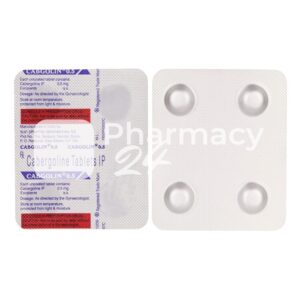
Cabergoline
from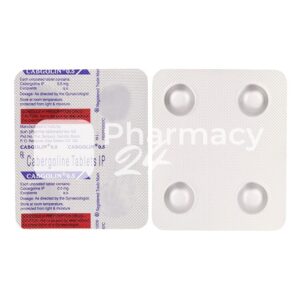
Dostinex
from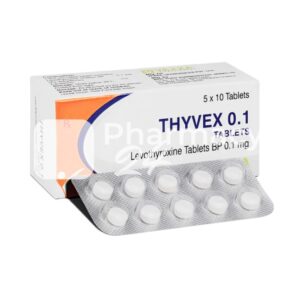
Euthyrox
from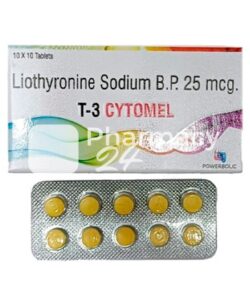
Liothyronine
from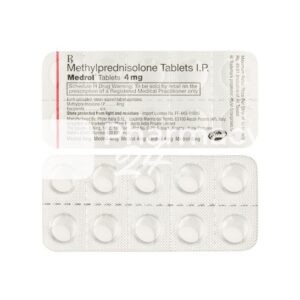
Medrol
fromUnderstanding Hormones and Their Role in Health
Hormones are chemical messengers produced by various glands throughout the body that regulate essential functions including metabolism, growth, mood, and reproduction. These powerful substances travel through the bloodstream to target organs and tissues, orchestrating everything from energy levels to emotional well-being. When hormone levels become imbalanced, individuals may experience a range of symptoms affecting their quality of life. Understanding how hormones work is the first step towards managing conditions related to hormonal imbalance.
The endocrine system, which produces hormones, includes the pituitary gland, thyroid, adrenal glands, and reproductive organs. Many people in the UK seek hormone-related treatments to address deficiencies or excess production that naturally occurs with age or due to medical conditions. Proper hormone balance is crucial for maintaining optimal health throughout different life stages, from adolescence through menopause and beyond.
Thyroid Hormones and Thyroid Health
The thyroid gland produces hormones that control metabolic rate and energy production throughout the body. Thyroid disorders are among the most common hormonal conditions in the United Kingdom, affecting millions of people. When the thyroid produces insufficient hormones, a condition called hypothyroidism develops, leading to fatigue, weight gain, and depression. Conversely, hyperthyroidism occurs when the thyroid overproduces hormones, causing anxiety, rapid heartbeat, and weight loss.
Levothyroxine is the most commonly prescribed thyroid medication in the UK, used to treat hypothyroidism by replacing missing thyroid hormones. Liothyronine is another thyroid hormone medication sometimes prescribed when levothyroxine alone proves insufficient. These medications must be taken regularly and blood tests are essential to ensure proper dosage levels.
Symptoms of thyroid imbalance include persistent fatigue, unexplained weight changes, temperature sensitivity, and mood disturbances. Healthcare providers in the UK regularly monitor thyroid function through blood tests measuring TSH and free T4 levels. Proper thyroid hormone therapy can dramatically improve energy levels, mood, and overall metabolic function.
Female Reproductive Hormones and Contraception
Female reproductive hormones, primarily oestrogen and progesterone, regulate the menstrual cycle, fertility, and reproductive health. These hormones fluctuate throughout the menstrual cycle and significantly influence mood, energy, and physical symptoms. Many women in the UK use hormone-based contraceptives to prevent pregnancy whilst also managing menstrual symptoms.
Combined oral contraceptive pills contain both oestrogen and progestin, available in multiple formulations such as Microgynon, Yasmin, and Cilest. Progestin-only pills, including the popular Cerazette, provide contraception without oestrogen and suit women who cannot tolerate combined pills. Beyond traditional tablets, several alternative delivery methods are available:
- Patches that deliver hormones through the skin
- Vaginal rings providing consistent hormone release
- Injectable contraceptives offering long-term protection
- Intrauterine devices combining hormonal and barrier methods
Beyond contraception, these medications help manage conditions like polycystic ovary syndrome (PCOS), endometriosis, and heavy menstrual bleeding. Hormone replacement therapy (HRT) becomes relevant during perimenopause and menopause when natural oestrogen and progesterone levels decline significantly. Women experiencing menopausal symptoms like hot flushes, night sweats, and vaginal dryness often benefit from HRT. The decision to use hormone therapies involves careful consideration of individual health factors and regular consultations with healthcare providers.
Menopause and Hormone Replacement Therapy
Menopause represents a natural life stage where women’s bodies gradually reduce hormone production, typically occurring between ages 45 and 55 in the UK. During this transition, fluctuating oestrogen and progesterone levels create uncomfortable symptoms affecting quality of life and emotional well-being. Hot flushes, night sweats, vaginal dryness, sleep disturbances, and mood changes are common menopausal symptoms requiring targeted treatment.
Hormone Replacement Therapy (HRT) replenishes declining hormone levels, providing significant relief for many women experiencing moderate to severe symptoms. Oestrogen patches deliver consistent hormone doses through the skin, avoiding digestive system processing that can cause side effects. Oestrogen tablets like Premarin and combined preparations containing both oestrogen and progestin address specific symptom profiles. Tibolone is a synthetic hormone used in the UK that mimics natural hormones and suits some women seeking menopausal symptom relief.
Healthcare providers tailor HRT regimens to individual needs, considering symptom severity, personal medical history, and individual risk factors. Regular consultations ensure that hormone therapy remains appropriate and that doses are adjusted as needed. Non-hormonal alternatives like SSRIs and lifestyle modifications complement or substitute hormone therapy when appropriate for individual circumstances.
Male Hormones and Testosterone Therapy
Testosterone is the primary male hormone responsible for sexual function, muscle development, bone density, and psychological well-being. Men’s testosterone levels naturally decline with age, though some experience significant deficiencies affecting physical and mental health. Hypogonadism, characterised by abnormally low testosterone, can result from medical conditions, injuries, or age-related changes.
Symptoms of low testosterone include reduced libido, erectile dysfunction, fatigue, depression, and decreased muscle mass affecting quality of life. Testosterone replacement therapy (TRT) helps men with confirmed testosterone deficiency regain vitality and sexual function. Several delivery methods are available to suit different preferences and lifestyles:
- Injectable testosterone in formulations like Sustanon, administered every two to three weeks
- Testosterone gels and creams including Tostran and Testogel for daily application
- Testosterone patches providing consistent delivery through transdermal systems
- Oral testosterone preparations for specific patient circumstances
Before starting testosterone therapy, UK healthcare providers conduct comprehensive blood tests confirming deficiency and ruling out contraindications. Regular monitoring ensures appropriate dosing and screens for potential side effects or complications. Men considering testosterone therapy should discuss benefits, risks, and alternatives thoroughly with their healthcare providers.
Adrenal Hormones and Stress Management
The adrenal glands produce cortisol and adrenaline, hormones essential for managing stress and maintaining energy levels throughout the day. Chronic stress causes excessive cortisol production, leading to fatigue, anxiety, immune suppression, and metabolic disruption affecting overall health. Adrenal insufficiency occurs when the adrenal glands fail to produce adequate cortisol, resulting in severe fatigue, low blood pressure, and mood disturbances.
Hydrocortisone is a synthetic cortisol replacement used to treat adrenal insufficiency, restoring essential hormone function. Prednisolone is a corticosteroid prescribed for various inflammatory conditions where cortisol replacement or immune suppression is necessary. Corticosteroid medications must be used carefully under medical supervision, as improper use can cause significant side effects.
Stress management techniques including exercise, meditation, adequate sleep, and healthy nutrition naturally support balanced cortisol levels. Healthcare providers in the UK emphasise lifestyle modifications alongside medical treatment when addressing stress-related hormonal imbalances. Regular blood tests and clinical monitoring ensure that adrenal hormone medications remain appropriate and effective for individual circumstances.