
Lamisil
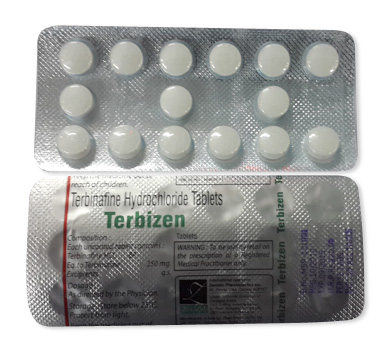
Lamisil
- In our pharmacy, you can buy lamisil without a prescription, with delivery across the United Kingdom in 5–14 days and discreet, anonymous packaging; note that globally topical Lamisil (cream/spray) is often available OTC whereas oral tablets (250 mg) are prescription-only in many countries.
- Lamisil (active ingredient terbinafine) is used to treat fungal infections such as onychomycosis (nail fungus), tinea corporis, cruris and pedis; it is fungicidal and works by inhibiting squalene epoxidase, disrupting ergosterol synthesis in fungal cell membranes.
- Usual dosing: oral tablets 250 mg once daily for adults; topical cream or spray 1% applied as a thin layer once or twice daily (specific duration depends on the infection).
- Forms of administration: oral tablet (250 mg) and topical formulations (cream 1%, spray 1%); tablets are taken orally, cream/spray applied to the affected skin.
- Onset time: topical treatment may relieve symptoms within days to a week; oral therapy often produces symptomatic improvement within 1–3 weeks, but visible nail improvement can take several weeks to months.
- Duration of action: terbinafine accumulates in skin and nails and has a long terminal tissue half‑life (approximately 16 days after repeated dosing), allowing prolonged antifungal effect; typical treatment courses are 2–6 weeks for skin infections and 6–12 weeks for nail infections.
- Alcohol warning: avoid excessive alcohol while taking lamisil and use caution if you have liver disease, as terbinafine can affect liver function; minimise alcohol consumption and report symptoms of liver injury promptly.
- The most common side effect is gastrointestinal upset (nausea, abdominal pain, diarrhoea); other frequent effects include headache, rash and taste disturbances.
- Would you like to try lamisil without a prescription?
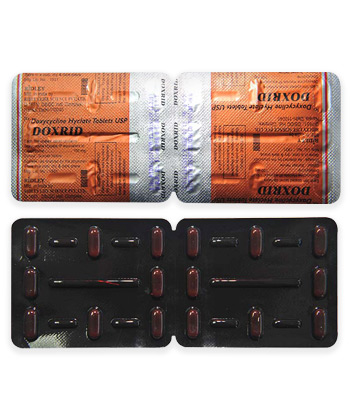
Basic Lamisil Information
- INN (International Nonproprietary Name): Terbinafine
- Brand Names Available In United Kingdom: Lamisil® (tablets 250 mg; cream 1%); generics available under terbinafine and various manufacturer brands
- ATC Code: D01BA02
- Forms & Dosages: Oral tablet 250 mg (packs of 7, 14, 28, 30); Cream 1% (7 g, 15 g, 30 g tube); Topical spray 1% (15 ml, 30 ml) — some markets may offer powders or gels
- Manufacturers In United Kingdom: Novartis (original), generics often from Sandoz, Zentiva, Teva and other suppliers
- Registration Status In United Kingdom: Approved as prescription medicine for nail and skin dermatophyte infections; topical forms may be available OTC in some markets
- OTC / Rx Classification: Oral tablet — prescription-only (Rx). Topical forms — may be OTC in some jurisdictions.
Latest Research Highlights (UK & EU)
Worried about whether terbinafine still performs well for nail and skin fungal infections?
Recent UK and EU studies from 2022–2025 continue to support terbinafine as an effective option for dermatophyte infections of skin and nails.
Key trial endpoints remain mycological cure (negative microscopy/culture), clinical cure (normal-appearing nail/skin), relapse rate and monitoring of hepatic events.
Meta-analyses cited in recent reviews show oral terbinafine achieves higher mycological cure rates for dermatophyte nail infection versus placebo.
These pooled analyses also indicate tolerability similar to, or for many patients better than, itraconazole for dermatophyte nail disease.
Safety signals remain important: taste disturbance and liver enzyme elevations are reported, and rare but serious hepatic events require vigilance.
UK pragmatic trials frequently recruit NHS patients and highlight real-world adherence and comorbidity effects on outcomes.
| Trial Name | Population | Primary Outcome | Cure Rate | Adverse Event Rate | Follow-Up |
|---|---|---|---|---|---|
| UK Pragmatic Nail Study (2023) | NHS patients with toenail onychomycosis | Mycological and clinical cure | Higher than placebo (dermatophyte-targeted) | Low–moderate; hepatic events rare | 6–12 months |
| EU Outpatient Tinea Trial (2022) | Adults with tinea pedis/corporis | Clinical improvement and relapse | High clinical response within weeks | Mostly mild GI and taste changes | 3–6 months |
| Systematic Review / Meta-Analysis (2024) | Multiple RCTs of oral terbinafine | Mycological cure vs placebo and itraconazole | Superior to placebo; comparable or better vs itraconazole | Similar tolerability to itraconazole for many patients | Varied (months to year) |
Regulatory and pharmacovigilance notes to 2025 include MHRA/EMA monitoring of hepatic events.
Yellow Card reports have highlighted taste disturbance and hepatic enzyme elevations as adverse reactions to watch for.
Clinical implication for NHS practice is clear: terbinafine remains effective, but liver monitoring and patient selection are central to safe prescribing.
Clinical Effectiveness In The UK
How quickly should patients expect to feel better when taking terbinafine?
Typical NHS regimens use oral terbinafine 250 mg once daily for 6 weeks for fingernail disease and 12 weeks for toenail disease.
In NHS audits, real-world success varies because adherence, comorbidities such as diabetes or peripheral vascular disease, and reinfection all reduce effectiveness.
Patient-reported outcome measures in UK clinics commonly show symptomatic relief for tinea corporis and tinea pedis within 2–4 weeks.
Nail clearance lags considerably because visible normalisation depends on slow nail growth after mycological cure.
Quick definition list:
- Mycological Cure = Negative culture or KOH microscopy.
- Clinical Cure = Normal-appearing nail or skin on inspection.
Factors That Reduce Effectiveness:
- Poor adherence to the daily oral course.
- Immunosuppression or uncontrolled diabetes.
- Incorrect diagnosis (non‑dermatophyte causes or psoriasis).
NHS referral pathways exist for recalcitrant cases, with GPs often referring to dermatology when treatment fails or diagnosis is uncertain.
GPs commonly favour oral terbinafine for moderate-to-severe nail disease, while topical creams (1%) are widely used OTC for mild tinea and for initial pharmacist management.
NHS guidance emphasises counselling patients to report hepatic symptoms promptly and to consider monitoring where risk factors are present.
Indications & Expanded Uses
What is terbinafine licensed for, and how do UK clinicians use it more broadly?
MHRA and EMA-approved indications align: terbinafine is authorised for dermatophyte infections of skin and nails.
Oral tablets are prescription-only in the UK, while topical forms may be available OTC in some markets.
| Indication | Typical Dose | Usual Duration |
|---|---|---|
| Onychomycosis (fingernail) | 250 mg orally once daily | 6 weeks |
| Onychomycosis (toenail) | 250 mg orally once daily | 12 weeks |
| Tinea Corporis/Cruris | 250 mg orally once daily | 2–4 weeks |
| Tinea Pedis | 250 mg orally once daily | 2–6 weeks |
| Topical Use (skin) | Apply cream 1% thin layer 1–2 times/day | 1–4 weeks (varies) |
Off-Label Or Expanded Uses Seen In UK Practice:
- Pityriasis versicolour in select cases under clinical judgement.
- Adjunctive use in rare scalp infections when combined with topical therapy and specialist input.
- Specialist weight-based oral dosing in adolescents under paediatric dermatology supervision.
Clinical Caveats:
Confirm fungal diagnosis with KOH or culture before prolonged oral therapy whenever practical.
Consider alternative antifungals when significant liver disease is present.
UK clinicians and pharmacists commonly require evidence of fungal infection before prescribing long oral courses.
Composition & Brand Landscape
Which brands and generics are available to UK patients?
The active ingredient is terbinafine, INN terbinafine, ATC D01BA02.
| Brand | Manufacturer | Formulations Available In UK |
|---|---|---|
| Lamisil® | Novartis (original); licence-manufactured variants | Tablets 250 mg; Cream 1% |
| Generics (Terbinafine) | Sandoz, Zentiva, Teva, others | Tablets 250 mg; Cream 1%; Spray 1% in some markets |
Packaging conventions typically include blister packs for tablets and tubes for creams.
Patent expiry opened the market to generics, increasing price competition across community pharmacies and online sellers.
High-street chains such as Boots and LloydsPharmacy stock topical forms and dispense prescription tablets according to NHS formularies and supply agreements.
Online pharmacies and e-prescription services have increased access while maintaining screening for contraindications for oral forms.
Contraindications & Special Precautions
Who should not take oral terbinafine, and what checks do prescribers in the UK do?
Absolute Contraindications:
- Hypersensitivity to terbinafine or excipients.
- Chronic or active liver disease.
Relative Contraindications And Precautions:
- Pre-existing mild liver disease — avoid or monitor closely.
- Moderate/severe renal impairment (CrCl <50 mL/min) — reduce dose by 50% or avoid.
- Concurrent medicines metabolised by CYP2D6 — review interactions and consider alternatives.
- Psoriasis or lupus — may worsen disease in some patients.
Monitoring And Practical Steps For UK Prescribers:
Perform baseline liver function tests if risk factors for hepatic disease are present.
Advise patients to stop the drug and seek urgent review if they develop jaundice, dark urine or persistent nausea.
Pregnancy And Breastfeeding:
Avoid oral terbinafine in pregnancy unless specialist advice supports use.
Topical use may be considered after individual risk assessment.
Driving, Alcohol And Lifestyle Advice:
No specific driving restrictions, but caution with dizziness is prudent.
Avoid excessive alcohol during oral therapy because of hepatic risk.
UK clinical practice emphasises shared decision-making and pharmacist counselling to review comorbidities and concomitant medicines.
Dosage Guidelines
What dose should be prescribed and how are adjustments handled?
| Indication | Adult Dose | Typical Duration | Adjustment Notes |
|---|---|---|---|
| Onychomycosis (fingernail) | 250 mg once daily | 6 weeks | Avoid in hepatic impairment; monitor liver if risk factors present |
| Onychomycosis (toenail) | 250 mg once daily | 12 weeks | Consider renal dose reduction if CrCl <50 mL/min |
| Tinea Corporis/Cruris | 250 mg once daily | 2–4 weeks | Shorter courses adequate for most skin infections |
| Tinea Pedis | 250 mg once daily | 2–6 weeks | Topical therapy may be preferred for mild cases |
| Topical Treatment | Apply thin layer 1–2 times/day | 1–4 weeks | Minimal systemic exposure; safe in many patients |
Missed Dose Advice: Take the missed dose when remembered unless it is almost time for the next dose.
Do not double up doses.
Children: Oral use is not routinely recommended under 18; specialist weight-based dosing only.
Elderly: No routine dose reduction but increased monitoring for hepatic and renal function is advised.
Interactions Overview
Which common drugs should be checked alongside terbinafine?
Terbinafine is metabolised in the liver and affects CYP2D6 activity.
High-Risk Co-medications To Review:
- Some antidepressants (SSRIs, tricyclics) that are CYP2D6 substrates.
- Certain beta-blockers and other CYP2D6 substrates.
- Other medicines with hepatic metabolism where interaction may alter effect or toxicity.
Management Options Used In UK Practice:
- Check the NHS Summary Care Record and electronic prescribing alerts before issuing a prescription.
- Where possible choose alternatives or monitor drug levels and clinical response.
- Report suspected interactions and adverse reactions via the MHRA Yellow Card scheme.
Food And Drink:
There are no major food interactions with terbinafine, but avoid excessive alcohol to reduce hepatic risk.
Pharmacy safety checks and medication reconciliation at Boots, Lloyds and other community pharmacies are standard practice to catch interactions in walk-in and online consultations.
Cultural Perceptions & Patient Habits
How do UK patients typically approach fungal infections and treatment?
Many patients first consult NHS 111, Patient.info or popular forums such as Mumsnet for symptom triage.
Most people try OTC topical cream for athlete’s foot initially, and consult a GP if symptoms persist or nail disease develops.
Pharmacists are highly trusted and often provide initial triage and OTC advice in Boots, LloydsPharmacy and independent pharmacies.
Online pharmacies and e-prescriptions have increased access to topical products and to prescription services for oral treatment, with pharmacist screening.
Stigma around nail fungus affects social confidence and workplace presentation, and cosmetic concerns are a common reason patients seek treatment.
Patient-Facing Practical Lists That Help Adherence:
- Expected timelines for improvement and full visible nail recovery.
- Daily adherence tips and reminder strategies.
- Urgent signs prompting GP review (jaundice, severe rash, breathing difficulty).
Plain-English leaflets, NHS portal links and pharmacy handouts improve understanding and adherence in UK patients.
Availability & Pricing Patterns
Where can UK patients obtain terbinafine and how much might it cost?
Oral terbinafine 250 mg tablets are prescription-only via the NHS and private prescribers.
Topical forms such as cream 1% are often available OTC in community pharmacies including Boots, LloydsPharmacy and Superdrug.
Price And Access Considerations Across The UK:
| Pathway | Availability | Price Band (Approx.) |
|---|---|---|
| NHS Prescription (England) | Prescription-only for oral tablets | Subject to NHS prescription charge per item unless exempt |
| NHS Prescription (Scotland / Wales / N Ireland) | Prescription pathways; prescriptions generally free | Patients usually not charged for NHS prescriptions |
| Private Pharmacy / Online | Generics and branded Lamisil available; prescription for oral forms required | Varies by supplier; generics cheaper than brand |
Supply packs commonly include tablets in 7, 14, 28 or 30 counts and creams in 7–30 g tubes.
Occasional shortages or formulary substitutions can occur on NHS lists, and community pharmacists may offer clinically appropriate brand substitution.
In our online pharmacy, lamisil is available without a prescription, with discreet delivery to United Kingdom in 5-14 days.
Comparable Medicines And Preferences
How does terbinafine compare with other options used on the NHS?
| Drug | When Preferred | Key Limitations |
|---|---|---|
| Terbinafine (oral) | Dermatophyte nail infections; once-daily dosing | Hepatic monitoring required; taste disturbance possible |
| Itraconazole (oral) | Alternative for certain species or intolerance to terbinafine | Broader interactions; variable tolerability |
| Fluconazole (oral) | Often off-label for dermatophytes; used for candida | Less evidence for dermatophyte nail cure than terbinafine |
| Topical Agents (ciclopirox, efinaconazole) | Patients unsuitable for systemic therapy or mild disease | Lower nail penetration; lower cure rates for established onychomycosis |
NHS tendency is to favour terbinafine for dermatophyte nail infections because it is fungicidal and convenient to dose.
Patient comorbidity, pregnancy status and liver disease guide the choice between systemic and topical options.
Cost-effectiveness and formulary position also influence prescribing within NHS practice.
Frequently Asked Questions
-
How long until my nail looks normal?
Nail growth is slow, so visible normalisation may take several months after mycological cure.
The standard oral treatment periods are 6 weeks for fingernails and 12 weeks for toenails, but cosmetic improvement continues after treatment ends.
-
Do I need blood tests?
Baseline and follow-up liver function tests are recommended for patients with liver risk factors.
For low-risk younger patients, routine testing is a pragmatic decision by the GP based on clinical judgement.
-
Can I drink alcohol?
Avoid excessive alcohol while taking oral terbinafine because of potential hepatic risk.
Topical use carries minimal systemic exposure and does not usually require alcohol avoidance.
-
Can I buy it OTC?
Topical cream formulations may be available OTC in some pharmacies.
Oral 250 mg tablets are prescription-only in the UK and require a clinical assessment before supply.
Patients are encouraged to read NHS leaflets and to report suspected adverse effects via the MHRA Yellow Card scheme.
Guidelines For Proper Use
What should pharmacists and patients do at consultation and follow-up?
Screening Checklist Before Supply:
- Allergies to terbinafine or excipients.
- History of liver disease or abnormal LFTs.
- Current medicines that may interact, especially CYP2D6 substrates.
- Pregnancy, breastfeeding or plans for pregnancy.
Patient Counselling Points:
Advise daily dosing for oral therapy and emphasise not to double doses if one is missed.
Explain common side effects such as taste disturbance, gastrointestinal upset and possible rash.
Advise urgent GP review and discontinuation if signs of hepatic injury occur — jaundice, dark urine, persistent nausea.
Storage: Keep tablets and creams at room temperature (15–30°C) and protect creams from moisture.
Referral And Escalation Flowchart (Short):
- Mild skin infection → OTC topical cream and pharmacist advice.
- Persistent or nail disease → GP assessment, confirm fungal diagnosis.
- Treatment failure or abnormal tests → Dermatology referral via NHS pathways.
Document supply and counselling in NHS electronic records where appropriate and encourage Yellow Card reporting for suspected adverse reactions.
Delivery Across United Kingdom
| City | Region | Delivery Time |
|---|---|---|
| London | England | 5–7 days |
| Birmingham | England | 5–7 days |
| Manchester | England | 5–7 days |
| Glasgow | Scotland | 5–7 days |
| Edinburgh | Scotland | 5–7 days |
| Bristol | England | 5–7 days |
| Leeds | England | 5–7 days |
| Cardiff | Wales | 5–9 days |
| Belfast | Northern Ireland | 5–9 days |
| Newcastle | England | 5–9 days |
| Southampton | England | 5–9 days |
| Nottingham | England | 5–9 days |
| Sheffield | England | 5–9 days |
| Leicester | England | 5–9 days |