
Isoket
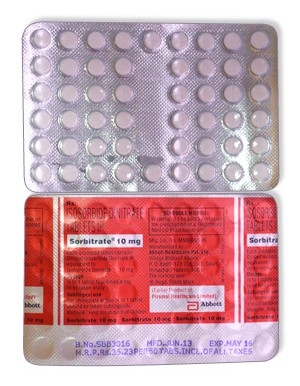
Isoket
- In our pharmacy, you can buy isoket without a prescription, with delivery in 5–14 days throughout the United Kingdom. Discreet and anonymous packaging; note that while isosorbide dinitrate is classified as prescription-only in many regulated markets, it is available over the counter via some pharmacies and e‑pharmacies.
- Isoket (isosorbide dinitrate) is used to prevent and relieve angina pectoris. It is a nitrate vasodilator that releases nitric oxide, increasing cyclic GMP in vascular smooth muscle to produce venodilation and coronary artery dilation, thereby reducing cardiac preload and improving myocardial oxygen supply.
- Usual doses: for chronic angina, oral immediate‑release 5–20 mg two to three times daily (titrate by response); for acute angina attacks, sublingual 2.5–5 mg at onset (may be repeated as directed); extended‑release formulations commonly 20–40 mg once daily.
- Forms of administration: sublingual tablets (2.5 mg, 5 mg, 10 mg), oral immediate‑release tablets (5, 10, 20, 30, 40 mg) and extended‑release oral tablets (commonly 20 mg, 40 mg).
- Onset time: sublingual effect typically within 1–5 minutes; oral immediate‑release preparations usually begin to work within 15–30 minutes.
- Duration of action: sublingual effect is short (around 30–60 minutes); oral immediate‑release effects commonly last 4–6 hours; extended‑release formulations can provide effect up to about 12–14 hours — a nitrate‑free interval of ~12–14 hours is recommended to reduce tolerance.
- Alcohol warning: avoid alcohol while taking isoket — alcohol can potentiate hypotension and dizziness, increasing the risk of fainting.
- The most common side effect is headache; other frequent effects include dizziness, flushing, weakness and postural hypotension.
- Would you like to try isoket without a prescription?
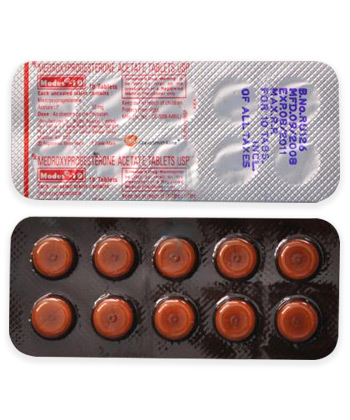
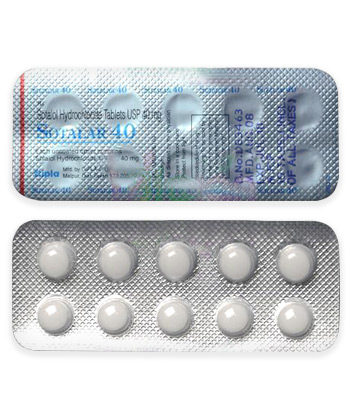
Basic Isoket Information
- INN (International Nonproprietary Name): Isosorbide dinitrate
- Brand Names Available In United Kingdom: Generics are commonly supplied to the UK market and regional variants cited in international registries include Isordil, Isoket, Isorbid, Nitrosorbide and Sorbitrate; availability by brand varies and many packs are internationally sourced.
- ATC Code: C01DA08
- Forms & Dosages: Sublingual tablets 2.5 mg, 5 mg, 10 mg; immediate‑release oral tablets 5 mg, 10 mg, 20 mg, 30 mg, 40 mg; extended‑release tablets commonly 20 mg and 40 mg.
- Manufacturers In United Kingdom: Not specified; global suppliers listed include IPCA Pharmaceuticals, Kachhela Medex and Zydus Pharmaceuticals, with multinational generics available to UK wholesalers.
- Registration Status In United Kingdom: Not specified; generics are widely available internationally and supplied to regulated markets via multiple importers and wholesalers.
- OTC / Rx Classification: Prescription Only (Rx)
Latest Research Highlights
Worried about whether nitrates still matter in modern angina care?
Recent UK and EU literature from 2022–2025 has focused on optimisation of nitrate use in chronic stable angina and on strategies to reduce tolerance.
Systematic reviews continuing across the region show that nitrates reduce angina frequency when an appropriate nitrate‑free interval is used.
Comparative effectiveness versus newer agents such as nicorandil and long‑acting alternatives is variable depending on the end‑point measured.
Exercise tolerance and symptom days may favour different agents in trial subgroups, so individualisation of therapy remains key.
Pharmacovigilance datasets and MHRA Yellow Card reports for 2022–2024 emphasise headache and hypotension as common adverse events and list hypotension, syncope and interaction reports—particularly with PDE5 inhibitors—as important safety signals.
Key practice trials in EU cardiology centres stress the importance of patient selection and pharmacist counselling to reduce falls and postural syncope in older adults.
Real data confirm a persistent role for oral and sublingual isosorbide dinitrate as acute rescue therapy and as an adjunct in chronic regimens when other agents are insufficient or contraindicated.
Many NHS trusts are showing an emerging preference for once‑daily isosorbide mononitrate when adherence is the primary concern, recognising differing pharmacokinetics within the nitrate class.
Table: concise trial summary and safety signals below summarises study design, population and common adverse event frequencies where reported in regional literature.
| Study | Design / Population | Primary Outcome | Key Safety Signals |
|---|---|---|---|
| European Multicentre Practice Trials | Pragmatic clinical series; older adults with chronic stable angina | Reduction in angina days / improved exercise tolerance | Headache, postural hypotension, syncope (reported) |
| Systematic Reviews (2022–2025) | Meta‑analyses of RCTs and cohort studies | Angina frequency and exercise testing end‑points | Tolerance with continuous dosing; interactions with PDE5 inhibitors |
Clinical Effectiveness In The United Kingdom
Concerned that nitrates might not work as expected outside trials?
In UK primary and secondary care, isosorbide dinitrate remains an adjunct when beta‑blockers or calcium‑channel blockers are insufficient or unsuitable.
NHS audit datasets and clinic case series report fewer angina episodes and improved exercise tolerance when immediate‑release regimens are individualised.
Patient‑reported outcome measures commonly identify headache and dizziness as barriers to continued use and to adherence.
Real‑world effectiveness hinges on correct timing of doses, including a typical 12–14‑hour nitrate‑free window to reduce tolerance development.
Concordance with secondary prevention—antiplatelets and statins—affects outcomes and should be checked regularly by prescribers and pharmacists.
Community and hospital pharmacy records show frequent interventions for dose titration and counselling about avoiding PDE5 inhibitors with nitrates.
NHS electronic repeat prescriptions and the NHS App are useful tools for monitoring adherence and for prompting medication reviews when angina remains frequent.
Common prescribing examples in practice include immediate‑release dosing such as 5–20 mg two to three times daily for prevention and 2.5–5 mg sublingual for breakthrough attacks.
Pharmacists in Boots, LloydsPharmacy and independent community pharmacies play an active role in counselling and in liaising with GPs for optimisation.
Indications And Expanded Uses
Wondering what isosorbide dinitrate is approved for and what specialists sometimes use it for off‑label?
MHRA‑aligned practice recognises isosorbide dinitrate primarily for prevention and treatment of angina pectoris and it is prescription‑only in the UK.
Standard adult regimens reflect the product monograph: prevention commonly 5–20 mg two to three times daily for immediate‑release preparations, and acute sublingual rescue of 2.5–5 mg.
Off‑label uses encountered in specialist NHS clinics include adjunctive treatment in patients with ischaemic symptoms in heart failure and perioperative coronary vasospasm prevention in interventional cardiology.
Rarely, specialist teams have used topical regimens for oesophageal spasm under controlled conditions, always with cardiology oversight and clear documentation.
Paediatric use is generally not recommended because established dosing is lacking and safety data are insufficient.
Governance for off‑label prescribing requires specialist consent, monitoring and clear record‑keeping within the NHS trust or clinic.
Bullet list: MHRA‑approved indication versus commonly used off‑label indications with evidence strength and governance follows.
- MHRA‑approved: Prevention and treatment of angina pectoris (strong, licensed indication).
- Off‑label (specialist use): Adjunct in ischaemic heart failure, perioperative vasospasm prevention, topical oesophageal spasm management (limited evidence; specialist oversight required).
Composition And Brand Landscape
Want to know what’s in a tablet and which brands you might see at a chemist?
The active ingredient is isosorbide dinitrate (INN) and the ATC code is C01DA08, the nitrate vasodilator group used in cardiac disease.
The market is dominated by generics with legacy brand names cited internationally such as Isordil, Isoket, Isorbid, Nitrosorbide and Sorbitrate.
Sublingual strengths commonly include 2.5 mg, 5 mg and 10 mg while oral immediate‑release tablets range from 5 mg up to 40 mg and extended‑release forms are typically 20 mg or 40 mg.
Global manufacturers and suppliers named in registries include IPCA Pharmaceuticals and Kachhela Medex from India, plus Zydus as an ANDA holder; many packs are internationally sourced for UK supply.
Packaging varies by supplier and community pharmacies dispense generics in light‑resistant containers with MHRA‑compliant labelling.
Table: Brand Name | Region | Manufacturer | Typical Strengths — reflects typical international packaging and sourcing described in supplier data.
| Brand Name | Region | Manufacturer | Typical Strengths |
|---|---|---|---|
| Isordil | International (original US brand discontinued) | Wyeth Laboratories (original); generics available from multiple manufacturers | Sublingual 2.5 mg, 5 mg, 10 mg |
| Isoket | Various regions | Various international distributors | Immediate‑release and extended‑release formulations (various strengths) |
| Generic Isosorbide Dinitrate | UK / International | IPCA, Kachhela, Zydus and others | 2.5–40 mg across forms |
Contraindications And Special Precautions
Worried about who should not take nitrates or when to be cautious?
Absolute contraindications include known hypersensitivity to nitrates and concurrent use with PDE5 inhibitors such as sildenafil or tadalafil because dangerous hypotension may result.
Other absolute concerns are acute circulatory shock, severe anaemia and raised intracranial pressure or head trauma.
Relative cautions include marked hypotension, hypovolaemia, aortic or mitral stenosis, severe hepatic impairment and glaucoma, all of which require close monitoring or specialist advice.
Elderly patients commonly have increased sensitivity to vasodilators so start at the low end of dosing ranges and titrate carefully while monitoring blood pressure and postural symptoms.
Pregnancy and breastfeeding should be managed only when clearly needed and under specialist supervision.
Lifestyle restrictions include avoiding alcohol around dosing because of additive vasodilatory hypotension and exercising caution when driving or operating machinery due to dizziness and syncope risk.
Pharmacists should check electronic prescribing records for concurrent PDE5 prescriptions and report serious adverse events through the MHRA Yellow Card scheme as recommended.
Dosage Guidelines
Not sure how to dose isosorbide dinitrate safely and effectively?
NHS‑aligned prescribing typically uses immediate‑release regimens for symptomatic control with prevention dosing of 5–20 mg two to three times daily, titrating to effect.
Sublingual rescue dosing for an acute angina attack is 2.5–5 mg placed under the tongue and allowed to dissolve.
Extended‑release tablets such as 20–40 mg may be chosen when adherence is a concern, but maintain a nitrate‑free interval of about 12–14 hours each day to limit tolerance.
For elderly patients no formal dose reduction is mandated, but start at the lower end and monitor haemodynamics and postural symptoms.
Renal and hepatic impairment require caution because of altered haemodynamic responses, though specific numeric adjustments are not universally defined.
Children are generally not recommended to receive isosorbide dinitrate due to a lack of established dosing.
If a dose is missed, take it when remembered unless the next dose is due soon and do not double up.
Overdose presents with severe hypotension, tachycardia and headache and requires hospital supportive care and symptomatic management.
- Starting Doses: 5 mg oral two to three times daily for prevention; 2.5–5 mg sublingual for acute relief.
- Titration: Increase gradually to symptom control while avoiding continuous exposure that promotes tolerance.
- Nitrate‑Free Scheduling: Aim for ~12–14 hours without nitrates daily.
Interactions Overview
Worried about mixing nitrates with other medicines or alcohol?
The major and absolute interaction is with PDE5 inhibitors like sildenafil and tadalafil; concurrent use is contraindicated due to the risk of profound and life‑threatening hypotension.
Alcohol, other vasodilators and antihypertensive medicines have additive hypotensive effects and should be used with caution when combined with isosorbide dinitrate.
Pharmacodynamic interactions can occur with beta‑blockers and calcium‑channel blockers leading to increased risk of syncope and postural hypotension; monitor patients closely when these combinations are used.
Food interactions are limited, but heavy alcohol intake around dosing times increases risk of symptomatic hypotension and should be avoided.
MHRA Yellow Card submissions in recent years most frequently report headache, hypotension, syncope and interaction‑related events associated with nitrates.
Table: interaction — mechanism — clinical consequence — pharmacist action summarises practical checks for pharmacy staff.
| Interaction | Mechanism | Clinical Consequence | Pharmacist Action |
|---|---|---|---|
| PDE5 Inhibitors | Synergistic vasodilation | Severe hypotension, syncope | Advise absolute avoidance and refer urgently if combined use occurs |
| Alcohol | Additive vasodilation | Marked drop in blood pressure | Counsel to avoid alcohol around dosing |
Cultural Perceptions And Patient Habits
Curious how UK patients live with nitrate therapy day to day?
Patients commonly report rapid relief with sublingual dosing and appreciate the immediate effect during an attack.
Long‑term users often stop therapy because of persistent headaches or because dosing schedules interfere with social plans.
UK patient forums such as Patient.info and threads on other community sites discuss pragmatic strategies like timing doses to avoid events and checking driving safety before setting off.
Pharmacists at Boots and LloydsPharmacy are trusted first contacts for side effects, supply problems and practical counselling.
Electronic repeat prescriptions and the NHS App form a cultural backbone for adherence in the UK, while non‑disclosure of erectile dysfunction and PDE5 use can cause hazardous interactions with nitrates.
Common patient tips seen in practice include keeping a small sublingual pack for emergency use and carrying a patient information leaflet summarising contraindications and side‑effects.
- Barriers: Headache, dizziness, timing burdens and fear of interactions.
- Pharmacist Interventions: Counselling on nitrate‑free intervals, sublingual technique, and asking directly about PDE5 prescriptions.
Availability And Pricing Patterns
Worried about how to get your nitrate tablets and what they cost across the UK?
Isosorbide dinitrate is prescription‑only in regulated markets, but generics are widely available through Boots, LloydsPharmacy and independent community chemists.
Prescription charges differ across the UK and can affect out‑of‑pocket costs; England retains standard NHS prescription charges for many patients while Scotland, Wales and Northern Ireland have different dispensing arrangements.
Private purchase by healthcare providers and online pharmacies is common for hospital procurement and can involve imports from suppliers such as IPCA and Zydus.
Price variability exists between branded imports and UK‑sourced generics and community pharmacists can often order a specific brand on request if clinically indicated.
In our online pharmacy, isoket is available without a prescription, with discreet delivery to United Kingdom in 5-14 days.
Electronic Prescription Service (EPS) and NHS repeat systems streamline chronic supplies for patients on long‑term regimens.
| Outlet Type | Typical Cost To Patient | Notes On Supply/Delivery |
|---|---|---|
| NHS Community Pharmacy | Subsidised or standard NHS prescription charge (varies by nation) | Easier repeat supplies via EPS; brands depend on wholesaler stock |
| Private Online Pharmacy | Variable; may include delivery fee | Private orders and imports may be used for urgent hospital or private clinic needs |
| Hospital Pharmacy | Funded by trust / contract supply | Bulk procurement via wholesalers; brand sourcing can vary |
Comparable Medicines And Prescribing Preferences
Wondering whether another antianginal might suit you better?
Common alternatives in NHS pathways include isosorbide mononitrate, glyceryl trinitrate and nicorandil.
Isosorbide mononitrate offers once‑daily dosing and tends to improve adherence compared with multiple daily doses of immediate‑release isosorbide dinitrate.
Glyceryl trinitrate (nitroglycerin) remains the acute sublingual comparator for rescue therapy in angina attacks.
Nicorandil is effective as an alternative antianginal but has a distinct adverse‑event profile that clinicians consider when choosing therapy.
Choice of agent depends on comorbidities, adherence issues, interaction risks (PDE5 contraindication applies to nitrates) and cost considerations within NHS formularies.
- When To Prefer Isosorbide Dinitrate: Need for rapid oral or sublingual relief and when other agents are contraindicated.
- When To Prefer Isosorbide Mononitrate: Poor adherence to multiple daily dosing or need for steady once‑daily coverage.
- When To Consider Nicorandil: Alternative when nitrates are unsuitable, bearing in mind ulceration risk and specialist guidance.
Frequently Asked Questions
Q1: Can I drive after taking isosorbide dinitrate?
It may cause dizziness or fainting; do not drive until you know how it affects you and report recurrent episodes to the DVLA as required.
Q2: What if I miss a dose?
Take it when you remember unless it is near the next scheduled dose and do not double up; keep nitrate‑free intervals to prevent tolerance.
Q3: Can I drink alcohol while taking it?
Avoid alcohol around dosing times because combined effects can cause dangerous drops in blood pressure.
Q4: I take sildenafil — can I take this or what if I already did?
Concurrent use is contraindicated and if both drugs have been taken seek urgent medical assessment for potential hypotension.
For more detailed patient information and local guidance, pharmacists recommend checking NHS resources or speaking with your GP or cardiology team.
Guidelines For Proper Use
Looking for a clear checklist to use when dispensing or counselling about nitrates?
Pharmacist counselling should confirm the indication and review the full medicines list, explicitly asking about PDE5 inhibitor use.
Advise correct sublingual technique: place 2.5–5 mg under the tongue and allow it to dissolve without chewing.
Explain the rationale for a nitrate‑free interval of roughly 12–14 hours each day to reduce tolerance and preserve effectiveness.
Warn about common side‑effects including headache and dizziness and advise patients not to drive or operate machinery until they know how the medicine affects them.
Provide written advice, signpost to the NHS website and the NHS App, and offer referral to the GP or local cardiology clinic if angina remains frequent.
Encourage use of EPS and regular medication reviews for repeat prescriptions and recommend a pharmacy‑led medication review if breakthrough angina increases.
Checklist: storage at room temperature, protect from light, keep in a tightly closed container and dispose of expired tablets via pharmacy returns.
Urgent signs warranting A&E include persistent severe hypotension, syncope or any collapse after taking nitrates, or suspected interaction with PDE5 inhibitors.
Delivery Across United Kingdom
| City | Region | Delivery Time |
|---|---|---|
| London | England | 5-7 days |
| Birmingham | England | 5-7 days |
| Manchester | England | 5-7 days |
| Glasgow | Scotland | 5-7 days |
| Leeds | England | 5-7 days |
| Edinburgh | Scotland | 5-7 days |
| Bristol | England | 5-7 days |
| Liverpool | England | 5-7 days |
| Cardiff | Wales | 5-7 days |
| Belfast | Northern Ireland | 5-7 days |
| Newcastle Upon Tyne | England | 5-9 days |
| Plymouth | England | 5-9 days |
| Aberdeen | Scotland | 5-9 days |