
Xatral
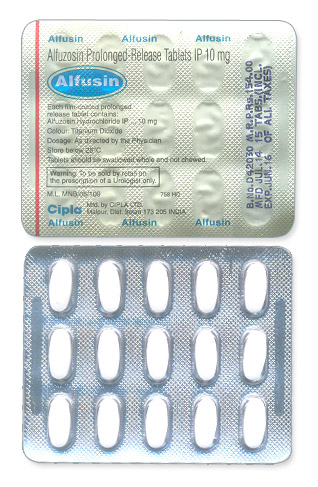
Xatral
- In our pharmacy, you can buy Xatral; officially alfuzosin (Xatral/Uroxatral) is prescription-only (Rx) in the UK, EU and USA, but some pharmacies may supply it without a prescription — delivery across the United Kingdom is available with discreet packaging.
- Xatral (alfuzosin) is used to treat symptomatic benign prostatic hyperplasia (BPH) in adult men; it works by selectively blocking alpha-1 adrenoceptors in the prostate and bladder neck to relax smooth muscle and improve urine flow (it does not reduce prostate size).
- The usual dose is one 10 mg extended‑release tablet once daily, taken after the same meal each day.
- The form of administration is an oral prolonged/extended‑release tablet (swallow whole, do not crush or chew).
- Some haemodynamic effects (blood‑pressure lowering, dizziness) can occur within a few hours; urinary symptom relief is often noticed within days to a couple of weeks in many patients.
- The duration of action covers about 24 hours with once‑daily extended‑release dosing.
- Avoid excessive alcohol while taking Xatral — alcohol can increase dizziness and the risk of low blood pressure (syncope).
- The most common side effect is dizziness (other frequent effects include headache, tiredness and gastrointestinal upset).
- Would you like to try xatral without a prescription?
Basic Xatral Information
- INN (International Nonproprietary Name): Alfuzosin (Alfuzosinum, international term).
- Brand Names Available In United Kingdom: not specified.
- ATC Code: G04CA01.
- Forms & Dosages: Uroxatral (USA) — extended-release tablet 10 mg, blister strips/bottles; Xatral (EU) — prolonged-release tablet 10 mg, box of 30 or 60 blister tablets; Local generics (EU/RoW) — extended-release tablets 5 mg, 10 mg (rarely 2.5 mg), blister packs.
- Manufacturers In United Kingdom: not specified.
- Registration Status In United Kingdom: MHRA-authorised.
- OTC / Rx Classification: Prescription-only (Rx).
Latest Research Highlights (UK And EU)
Worried whether older alpha-1 blockers still have a role in modern practice?
Recent UK and EU literature from 2022–2025 continues to show alfuzosin provides meaningful symptom improvement for men with lower urinary tract symptoms due to benign prostatic hyperplasia.
Randomised trials and several large observational cohorts report clinically relevant reductions in International Prostate Symptom Score and improvements in peak urinary flow compared with baseline.
Onset of symptomatic benefit is typically rapid, often within days to a few weeks of starting treatment.
Safety reporting from national pharmacovigilance systems, including MHRA Yellow Card summaries, emphasises class risks such as dizziness, symptomatic hypotension and syncope rather than unique product harms.
Ophthalmic safety signals persist for intraoperative floppy iris syndrome in patients undergoing cataract surgery and require preoperative notification to the surgical team.
Comparative meta-analyses suggest overall symptom relief is broadly comparable to tamsulosin, with side-effect profiles differing slightly between agents.
Suggested trial data table columns: Study (Author/Year), Design, Population Size (UK/EU), Primary Outcome (IPSS Change), Adverse Events (dizziness, syncope, IFIS).
Key trial endpoints to look for include change in IPSS, peak flow rate (Qmax), quality-of-life score and incidence of bothersome adverse events.
Real data: INN = alfuzosin, ATC G04CA01, usual dosing 10 mg once daily after the same meal.
Clinical Effectiveness In The UK
Concerned about what men actually experience when starting treatment on the NHS?
In NHS practice alfuzosin (branded Xatral or generics) is used mainly for symptomatic relief of moderate to severe LUTS due to BPH.
Real-world audits from UK urology clinics commonly report reductions in IPSS and fewer nocturia episodes for many patients after treatment initiation.
Patients frequently describe quicker trips to the toilet and improved sleep when nocturia reduces, which raises overall quality of life even though prostate size is not changed.
Clinical notes and patient leaflets state explicitly that alfuzosin relaxes prostate smooth muscle but does not shrink prostate tissue.
Primary care to urology pathways often start an alpha-blocker while monitoring blood pressure and orthostatic symptoms during the early weeks of therapy.
Common patient challenges include early dizziness, missed-dose problems when the post-meal timing is forgotten, and concerns about sexual side effects.
Shared decision making in NHS clinics focuses on realistic expectations: rapid symptom relief versus no prostatic volume reduction.
Suggested presentation: a short pre/post symptom table and a patient outcome highlights box for use in clinic letters.
Indications And Expanded Uses
Unsure if alfuzosin is suitable for you or someone you care for?
MHRA-authorised indication is for symptomatic benign prostatic hyperplasia in adult men, using the prolonged/extended-release 10 mg tablet taken once daily after the same meal.
Alfuzosin is not approved for women or children and safety in those groups is not established.
Off-label use in private urology practice is limited and should be reserved for situations where alternatives are unsuitable and only after explicit informed consent and documentation.
Any non-standard prescribing must include a review of contraindications, comorbidities and potential drug interactions.
Because alfuzosin is prescription-only in the UK and EU, prescribers must follow standard prescribing governance and record the indication.
Recommended formats for local audit include a short definition list: MHRA indication, not-indicated populations, off-label examples and a formal consent checklist.
For safety, include a checkbox for indication, informed consent and baseline blood pressure on the proforma before starting treatment.
Composition And Brand Landscape
Curious which packs and manufacturers you might see in the UK supply chain?
INN: alfuzosin (alfuzosinum) is sold in Europe under Xatral and by multiple generics such as Alfuzosin Teva, Mylan and Sandoz, with Sanofi the originator in many markets.
ATC classification is G04CA01 for alpha-adrenoreceptor antagonists used in urology.
Typical commercially available form in Europe is a prolonged/extended-release 10 mg tablet packaged in boxes of 30 or 60 blister tablets; some generics are also available in 5 mg or rarely 2.5 mg strengths.
Recommended presentation for a formulary: a table listing Brand, Manufacturer, Dosage, Packaging and Prescription Status to aid procurement decisions.
NHS local formularies frequently prefer cost-effective generics supplied by Teva, Sandoz or Mylan, although originator supplies by Sanofi remain in some markets.
Storage and packaging advice: store at room temperature (20–25°C), protect from moisture and heat and keep medication in original packaging until use.
Contraindications And Special Precautions
Worried about who should not take alfuzosin?
Absolute contraindications include moderate to severe hepatic insufficiency and known hypersensitivity to alfuzosin or any excipients in the tablet.
Use caution in patients with severe renal impairment, a history of orthostatic hypotension or those taking multiple antihypertensive drugs because of syncope risk.
Important perioperative note: alfuzosin is associated with intraoperative floppy iris syndrome during cataract surgery, so inform ophthalmologists if currently taking or recently stopped the drug.
Daily-life cautions advise avoiding driving or operating machinery until tolerance is known because dizziness and fainting may occur early in treatment.
Patients must be counselled that alcohol can increase the risk of hypotension and to seek immediate GP contact for syncope or chest pain.
For safety governance, include a boxed checklist for cataract surgery notification, driving/work restrictions and Yellow Card reporting for serious adverse events.
Dosage Guidelines
Not sure about how and when to take the tablet?
Standard NHS and MHRA dosing is one 10 mg extended-release tablet once daily, taken after the same meal each day to optimise absorption and reduce blood‑pressure effects.
No routine dose adjustment is required for most elderly patients, but increased sensitivity to hypotensive effects should prompt closer monitoring.
Mild to moderate renal impairment usually does not require dose changes, but avoid or consult a specialist in severe renal insufficiency.
Alfuzosin is contraindicated in moderate to severe hepatic impairment, per product labelling.
If a dose is missed, take it as soon as remembered unless it is almost time for the next dose; do not double doses.
In overdose, symptomatic hypotension is the main risk and emergency medical care with supportive measures is required.
Use a concise dosing table for clinic notes (Population | Dose | Monitoring) and a short flowchart for missed doses and overdose instructions.
Interactions Overview
Worried whether other medicines or food will affect alfuzosin?
Strong CYP3A4 inhibitors such as ketoconazole and ritonavir can increase alfuzosin plasma concentrations and are contraindicated or should be avoided according to product information.
Concomitant use with other antihypertensives can increase the risk of symptomatic hypotension and syncope, especially early in treatment.
Food timing matters: alfuzosin must be taken after the same meal each day to reduce pharmacokinetic variability and minimise blood-pressure effects.
Alcohol can potentiate hypotensive effects and patients should be counselled about moderation while establishing tolerance.
MHRA Yellow Card reports commonly list dizziness and hypotension where alfuzosin is combined with vasodilators; suspected interactions should be reported.
Present interactions as a matrix: Drug Class | Examples | Effect | Action (avoid/monitor/adjust) to make counselling efficient at the pharmacy counter.
Cultural Perceptions And Patient Habits
Wondering what patients read or worry about before starting treatment?
UK patients typically consult NHS 111, Patient.info and their GP practice portal before prescription, and many turn to forums such as Mumsnet or men’s health groups for experience-based advice.
Common patient worries include effects on sexual function, potency and episodes of dizziness on standing.
Community pharmacists in Boots, LloydsPharmacy and independent pharmacies are trusted sources for immediate counselling and practical dosing tips.
The rise of licensed online pharmacies and e-prescriptions means many patients now receive repeat prescriptions electronically and expect discreet home delivery.
Practical measures include clear verbal counselling, printed leaflets and follow-up via NHS patient portals to reinforce correct timing with food and safety messages.
Include anonymised patient quotes or a short bullet list of common concerns and a small data highlight listing the most frequent reasons for treatment discontinuation such as hypotension, side effects or perceived lack of benefit.
Availability And Pricing Patterns
Trying to find where Xatral or alfuzosin tablets are sold and how much they cost?
Xatral and alfuzosin generics are prescription-only and available through community pharmacies, major chains and licensed online pharmacies across the United Kingdom.
Local NHS formularies tend to favour generics such as Alfuzosin Teva, Mylan or Sandoz for cost savings, while originator stock by Sanofi is seen in some supply lines.
NHS prescription charging depends on nation: England uses a standard per-item charge unless exempt, while Scotland, Wales and Northern Ireland have different arrangements affecting private versus NHS procurement.
For online orders, storage and shipping advice mirrors manufacturer guidance: keep at room temperature and in original packaging to protect from moisture and heat.
In our online pharmacy, xatral is available without a prescription, with discreet delivery to United Kingdom in 5-14 days.
Suggested content for patient pages: a table of supply routes (community, online, private clinic) and a simple cost pathway showing NHS prescription versus private purchase.
Comparable Medicines And Preferences
Wondering how alfuzosin compares with other commonly used drugs for BPH?
Alternatives on NHS formularies include tamsulosin (more alpha-1A selective), terazosin and doxazosin (less uroselective) and 5-alpha-reductase inhibitors such as finasteride and dutasteride when prostate reduction is required.
Alfuzosin provides rapid symptom relief but does not reduce prostate volume, which is important when long-term prostate shrinkage is desired.
Tamsulosin may offer greater uroselectivity and potentially less systemic hypotension, though sexual side-effect profiles differ between agents.
5ARIs take months to shrink prostate tissue and are chosen for larger prostates or in combination therapy to reduce progression risk.
A practical comparison table for prescribers should include Drug, Mechanism, Onset, Main Risks and NHS Prescribing Notes to guide choice based on comorbidity and patient preference.
Local CCG/ICS formularies and individual comorbidities guide selection, with cost and concerns about sexual side effects often shaping decisions in clinic.
FAQ
Got quick questions? Here are the top queries patients ask.
- How Do I Take Xatral? — Take the 10 mg extended-release tablet once daily after the same meal; do not crush the tablet.
- Will It Shrink My Prostate? — No; alfuzosin relaxes smooth muscle to ease urinary symptoms but does not reduce prostate size.
- Can I Drive? — Avoid driving until you know how alfuzosin affects you, because dizziness and syncope are possible early on.
- What If I Am Having Cataract Surgery? — Inform the ophthalmic surgeon, as alfuzosin is associated with intraoperative floppy iris syndrome (IFIS).
When To Contact GP Or Emergency Department:
- Any episode of fainting or unexplained collapse.
- Severe or persistent chest pain.
- New severe shortness of breath or allergic reactions.
Signpost patients to NHS patient leaflets, their GP practice portal and the MHRA Yellow Card scheme for reporting suspected adverse reactions.
Guidelines For Proper Use
Need a quick checklist for counselling at the pharmacy counter?
Pharmacist Counselling Checklist: confirm the indication is BPH, review hepatic and renal comorbidities and current antihypertensives, and ensure the patient understands dosing—10 mg once daily after the same meal.
Warn about dizziness and orthostatic hypotension and advise avoidance of alcohol until tolerance is known.
Flag the risk of IFIS and instruct the patient to inform any ophthalmic team if they are having cataract surgery.
Advice on missed doses: take it when remembered unless it is almost time for the next dose; do not double up.
Recommend scheduled blood-pressure checks after initiation and a 4–6 week follow-up via NHS portal or GP review to assess symptom response and side effects.
Provide a printable one-page patient leaflet and a short pharmacist script for community chains to standardise counselling and enhance adherence.
Delivery Across United Kingdom
| City | Region | Delivery Time |
|---|---|---|
| London | Greater London | 5-7 days |
| Birmingham | West Midlands | 5-7 days |
| Manchester | North West | 5-7 days |
| Glasgow | Scotland | 5-7 days |
| Leeds | Yorkshire and The Humber | 5-7 days |
| Edinburgh | Scotland | 5-7 days |
| Belfast | Northern Ireland | 5-7 days |
| Bristol | South West | 5-9 days |
| Liverpool | Merseyside | 5-9 days |
| Newcastle Upon Tyne | North East | 5-9 days |
| Sheffield | Yorkshire and The Humber | 5-9 days |
| Nottingham | East Midlands | 5-9 days |
| Cardiff | Wales | 5-9 days |