
Testosterone Topical
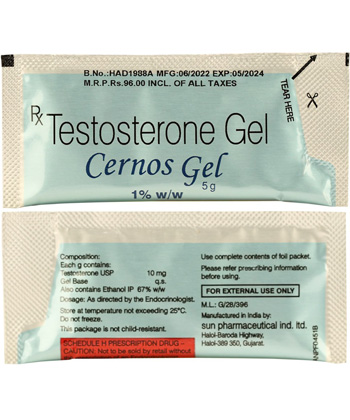
Testosterone Topical
- You can purchase testosterone topical from pharmacies and licensed online medicine retailers in the UK; however, it is normally a prescription-only medicine. Some suppliers may offer it with consultation services, but it should only be used under medical supervision.
- Testosterone topical is used for testosterone replacement in men with confirmed hypogonadism. It works by supplying testosterone directly through the skin to restore normal hormone levels and relieve symptoms of low testosterone.
- The usual dose for testosterone gel is typically 50 mg applied once daily, adjusted according to blood testosterone levels and clinical response. Strengths commonly include 1%, 1.62% and 2% formulations.
- The form of administration is topical cutaneous gel or transdermal patch, applied to areas such as the shoulders, upper arms or abdomen. Other testosterone forms include nasal gel, injections and pellets, but the topical form is the gel or patch.
- The effect usually begins within a few hours, although noticeable symptom improvement may take several days to weeks as hormone levels stabilise.
- The duration of action is about 24 hours for gel and patch preparations, which is why they are generally used once daily.
- Alcohol is not absolutely contraindicated, but heavy drinking may worsen side effects and can affect overall hormone health. It is best to limit alcohol and follow your clinician’s advice.
- The most common side effects are skin irritation at the application site, acne, increased hair growth, headache, mood changes, fluid retention and breast tenderness.
- Would you like to try testosterone topical without a prescription?
Latest Research Findings In The UK And EU On Testosterone Topical
Men looking into testosterone topical treatment usually want the same three things: steadier levels, real symptom relief, and a plan for safe monitoring.
Between 2022 and 2025, UK and EU practice has continued to favour prescription testosterone gel for confirmed male hypogonadism when a transdermal route is appropriate.
EMA-regulated products such as Testogel and Tostran remain well known across the EEA, and topical testosterone products are prescription-only medicines because of the need for specialist assessment and follow-up.
The main appeal is physiological replacement, with once-daily dosing and fewer peaks and troughs than many injection schedules.
That matters for men who want a treatment that fits into normal life without the swing some people notice after intramuscular injections.
| Clinical Point | What UK And EU Practice Sees | Why It Matters |
|---|---|---|
| Serum levels | Generally steadier with daily transdermal use, with dose adjusted to testosterone concentrations | Helps avoid large peak-trough changes |
| Symptoms | Improvement is commonly tracked in libido, energy, mood, and muscle strength | Response should be checked against both symptoms and blood tests |
| Tolerability | Skin irritation is the most common local issue | Some patients need a brand change or alternative route |
| Absorption | Variable between people and even between application days | Explains why follow-up testing is essential |
Data highlights: gels are commonly started at 50 mg once daily, with adjustment in the 40 to 100 mg range according to levels and response.
Serum testosterone should be checked more than 14 days after starting, then periodically.
For many men, that balance of convenience and monitoring is why testosterone gel UK prescribing remains so common in specialist care.
Basic Testosterone Topical Information
- INN (International Nonproprietary Name): Testosterone
- Brand names available in United Kingdom: Testogel, Tostran; availability can vary by supply route and country
- ATC Code: G03BA03
- Forms & dosages: Transdermal gel, patch, nasal gel, intramuscular injection, oral capsule, pellet
- Manufacturers in United Kingdom: Not specified
- Registration status in United Kingdom: Prescription-only medicine
- OTC / Rx classification: Rx
Clinical Effectiveness In UK Practice And NHS Follow-Up
Does testosterone therapy actually make a difference when hypogonadism has been confirmed?
In routine UK practice, the answer is yes for the right patient, but the benefit has to be tracked properly.
Men often report better libido, more energy, improved mood, and a gradual return in muscle strength when testosterone monitoring shows the dose is in range.
Once-daily testosterone gel is popular because it is simple to fit into a morning routine and avoids the inconvenience of injection appointments.
That said, response is not identical for everyone, and adherence can be the difference between a good result and a disappointing one.
| Expected Benefit | Typical Timeline | Monitoring Check |
|---|---|---|
| Libido and sexual interest | May improve over weeks | Review symptoms and serum testosterone |
| Energy and wellbeing | Often gradual | Check response, sleep, and adherence |
| Mood | Can improve if low testosterone was contributory | Assess mood changes and adverse effects |
| Muscle strength | Usually slower | Monitor function, not just bloods |
For confirmed permanent causes of male hypogonadism, treatment may be long-term or lifelong.
That is why NHS testosterone treatment usually relies on a structured follow-up plan rather than a one-off prescription.
Serum testosterone should be checked more than 14 days after starting, then periodically, and the dose is adjusted to clinical response and testosterone concentrations.
Indications, Mhra Context And Common Off-Label Questions
What is testosterone topical actually for?
The main indication is male hypogonadism, where the body does not produce enough testosterone and symptoms match the blood results.
In the UK, testosterone deficiency treatment should be based on specialist assessment and medicines must follow MHRA-approved labelling.
Topical products are also used internationally in a wider range of authorised presentations, including gels, patches, and nasal gel, but UK availability may differ from the EU or US.
People frequently ask about low testosterone, age-related decline, tiredness, and whether testosterone therapy might help sports performance.
That last question is important: non-medical use is inappropriate and risky, and prescription testosterone replacement is not meant to boost performance in healthy people.
- Approved use
- Treatment of confirmed male hypogonadism under medical supervision.
- Off-label use
- Use outside the product licence or outside the intended specialist pathway.
- Not suitable for
- People seeking muscle gain, cosmetic use, or sports enhancement without a medical diagnosis.
For many patients, the main reassurance is that the goal is replacement, not over-correction.
That keeps the conversation focused on safety, symptom relief, and realistic expectations.
Composition, Atc Classification And UK Brand Landscape
Testosterone topical products all contain the same active ingredient, Testosterone, but the delivery system changes the practical experience.
The ATC code is G03BA03, which sits under sex hormones and modulators of the genital system.
In pharmacy terms, that matters because a gel, patch, nasal gel, or injection can produce very different day-to-day routines even though the hormone is the same.
For UK readers, the better-known topical brands are Testogel and Tostran, while international references such as AndroGel and Testim are often searched online.
| Formulation | Strengths | Route | Notable Brands |
|---|---|---|---|
| Transdermal gel | 1% (50 mg/5 g), 1.62%, 2% | Cutaneous | Testogel, Tostran, AndroGel, Testim, Androtop |
| Patch | 2 mg/24h, 4 mg/24h | Transdermal | Androderm |
| Nasal gel | 4.5 mg/actuation | Intranasal | Natesto |
| Intramuscular injection | Varies | Intramuscular | Nebido, Sustanon, Primoteston, Omnadren |
Brand availability may differ between the UK, other EEA countries, and private supply chains.
That is why patients sometimes see one name on a forum, another on an NHS record, and a third on an overseas website.
Contraindications, Safety Checks And Who Needs Extra Caution
Who should not use testosterone topical treatment?
There are clear absolute contraindications, and they matter before the first dose is even prescribed.
Known or suspected prostate cancer and breast cancer are the key red flags.
Pregnancy and breastfeeding are also contraindications because of teratogenic risk, and hypersensitivity to testosterone or excipients rules it out as well.
Some people need careful monitoring rather than an outright ban, especially older adults or anyone with cardiovascular or metabolic risk.
| Risk Group | Use Status | What To Watch For |
|---|---|---|
| Prostate cancer, breast cancer, pregnancy, breastfeeding, hypersensitivity | Do not use | Alternative treatment and specialist review needed |
| BPH, history of MI or stroke, polycythaemia, sleep apnoea, diabetes, severe heart, liver, or kidney disease | Use with monitoring | Blood counts, symptoms, cardiovascular status, and prostate review |
| New urinary symptoms, swelling, chest pain, breathlessness | Seek urgent advice | May need immediate clinical assessment |
In older adults, the lowest dose is usually the safest starting point.
People often ask whether the medicine affects alertness, driving, or alcohol use.
It is not usually a sedating medicine, so the main concern is not sleepiness but systemic adverse effects and how well the treatment is being tolerated.
Heavy alcohol use can still complicate adherence and symptoms, so it is sensible to keep intake moderate.
Dosage Guidelines For Topical Testosterone In UK Settings
How much testosterone gel is usually used?
Standard adult regimens are straightforward on paper, but they are always titrated in practice.
For male hypogonadism, gels are typically started at 50 mg once daily, with adjustment in the 40 to 100 mg per day range according to serum testosterone levels and symptoms.
Patches are usually 2 mg or 4 mg nightly.
Nasal gel is given as 11 mg, one actuation each nostril three times daily, which totals 33 mg daily.
| Formulation | Usual Adult Dose | Practical Note |
|---|---|---|
| Gel 1% or 1.62% | 50 mg once daily, adjustable 40 to 100 mg/day | Based on serum testosterone and clinical response |
| Patch | 2 mg or 4 mg nightly | Useful when daily gel is not suitable |
| Nasal gel | 11 mg, one actuation each nostril three times daily | More frequent dosing |
Dose adjustment tips:
- Check testosterone levels after more than 14 days, then periodically.
- Adjust to symptoms as well as blood results.
- Use the lowest effective dose in older adults.
- Use caution in liver or kidney impairment because data for dose changes are limited.
- Do not use routinely in children, and it is contraindicated in prepubertal children.
That titration process is what makes testosterone therapy safe enough for long-term use when the diagnosis is correct.
Interactions, Absorption Issues And Yellow Card Reporting
Can testosterone topical interact with other medicines?
Yes, particularly with medicines that affect blood clotting, diabetes control, or treatment for prostate-related conditions.
Absorption also varies, so two men on the same brand can have different blood levels even when they are both using the product correctly.
That is one reason clinicians rely on repeat blood tests rather than assuming the first dose is enough.
The common side effects are familiar to pharmacists: skin irritation, acne, hair growth, mood changes, headache, gynecomastia, and fluid retention.
| Interaction Type | Possible Issue | What To Do |
|---|---|---|
| Medicines affecting blood clotting | May need closer monitoring | Tell the prescriber and pharmacist |
| Diabetes medicines | Insulin sensitivity may change | Monitor blood glucose more closely |
| Prostate-related treatment | Symptoms and test results may need review | Do not change treatment without advice |
Side effects should be reported through the MHRA Yellow Card system when appropriate.
Food is not usually the main issue with testosterone gel safety, but excess alcohol can make symptoms harder to judge and routines harder to keep.
Cultural Perceptions, Patient Habits And UK Counselling Preferences
Why do men often ask the pharmacist first?
Because testosterone HRT can feel personal, and many people want discreet, practical advice before they speak to their GP again.
In the UK, patients commonly look at NHS advice pages, call NHS 111, or read patient forums before they start treatment.
That often reflects stigma around “low T”, not lack of interest in treatment.
People want to know how to apply the gel, whether it can rub off on a partner or child, and what to do if it feels messy.
- Patient concerns
- Privacy, stigma, transfer risk, and whether the treatment will feel normal to use.
- Pharmacist advice
- Clear steps on application, handwashing, drying time, and avoiding accidental exposure.
- Red flags
- Breast symptoms, urinary changes, swelling, worsening breathlessness, or concerns about absorption.
Topical testosterone is prescription-only, so careful handling is part of the treatment rather than an optional extra.
That is why simple counselling can make a real difference to confidence and adherence.
Availability, Access And Pricing Across The UK
Where you get testosterone gel UK access can depend on the route of prescribing, the nation you live in, and local stock.
NHS prescriptions in England, Scotland, Wales, and Northern Ireland do not all work exactly the same way, and exemptions can change what the patient pays.
In practice, specialist initiation and local formularies often shape what is available on the NHS.
Private purchase can be faster, but it usually costs more and depends on supply.
Brands such as Testogel and Tostran are most familiar in the UK, while AndroGel or Testim are often seen more on overseas websites than on NHS stock lists.
Boots, LloydsPharmacy, Superdrug, and online pharmacies can all be part of the access pathway, especially when e-prescriptions and repeat dispensing are used.
In our online pharmacy, testosterone topical is available without a prescription, with discreet delivery to United Kingdom in 5-14 days.
| UK Nation | Usual Access Route | Common Pricing Pattern |
|---|---|---|
| England | NHS, private pharmacy, online pharmacy | Depends on exemption status or private supply |
| Scotland | NHS, private pharmacy, online pharmacy | Depends on local supply and private cost |
| Wales | NHS, private pharmacy, online pharmacy | Depends on local supply and private cost |
| Northern Ireland | NHS, private pharmacy, online pharmacy | Depends on local supply and private cost |
For many patients, repeat prescriptions and patient portals make follow-up much easier than it used to be.
Alternatives To Testosterone Topical And How Patients Choose
What if a gel is not the best fit?
Then the choice often moves to injections, oral undecanoate capsules, patches, or pellets.
Competing products include Nebido, Sustanon, Primoteston, Testopel, and oral undecanoate.
Each option has trade-offs, and the best one is usually the one the patient can actually use consistently.
| Option | Pros | Cons |
|---|---|---|
| Topical testosterone | Steadier levels, no injections, simple once-daily routine | Skin irritation and transfer risk |
| Injection | Less frequent dosing | Peak-trough swings, injection burden |
| Patch | Non-gel transdermal option | Skin reaction can still occur |
| Pellet | Longer duration | Implant procedure needed |
Comparison checklist:
- Do you prefer daily application or less frequent treatment?
- Is skin irritation already a problem?
- Would transfer risk at home be an issue?
- Is fertility a concern?
- Will you manage blood monitoring reliably?
Topical forms are often chosen when a patient wants a more physiological replacement pattern and fewer injection-related problems.
Common Nhs Patient Questions About Testosterone Topical
How long does testosterone gel take to work?
Some symptoms, such as libido or energy, may improve over weeks, but blood tests and symptom review are needed before the dose is settled.
What should I do if I miss a dose?
Apply it as soon as you remember, unless it is close to the next dose; do not double up.
How do I reduce skin transfer risk?
Let the gel dry fully, wash your hands, cover the application site, and avoid skin contact with others until the product is dry.
When should I seek urgent help?
Seek urgent medical help if you get signs of toxicity after overdose, such as nausea, vomiting, swelling, or trouble breathing.
Guidelines For Proper Use, Storage And UK Pharmacist Advice
What does good counselling look like at the counter?
It starts with the basics and saves a lot of confusion later.
Apply the gel to clean, dry skin on the shoulders, upper arms, or abdomen.
Allow it to dry before dressing.
Wash your hands straight away after use.
Cover the area once dry and avoid skin contact with other people until the medicine has fully settled.
That practical routine is often the difference between safe use and accidental transfer.
| Storage Item | Advice |
|---|---|
| Temperature | Store at 15 to 30°C |
| Children and women | Keep away to avoid accidental exposure |
| Gel packets | Do not refrigerate |
| Packaging | Discard opened or damaged packaging |
Pharmacists are often the best first contact for application technique, repeat prescription problems, and supply issues.
NHS-style follow-up through e-consults and patient portals also helps patients get results and dose changes without unnecessary delay.
Delivery Across United Kingdom
| City | Region | Delivery time |
|---|---|---|
| London | England | 5-7 days |
| Birmingham | England | 5-7 days |
| Manchester | England | 5-7 days |
| Leeds | England | 5-7 days |
| Liverpool | England | 5-7 days |
| Sheffield | England | 5-7 days |
| Bristol | England | 5-7 days |
| Newcastle upon Tyne | England | 5-7 days |
| Nottingham | England | 5-9 days |
| Leicester | England | 5-9 days |
| Coventry | England | 5-9 days |
| Cardiff | Wales | 5-7 days |
| Edinburgh | Scotland | 5-7 days |
| Belfast | Northern Ireland | 5-7 days |
Final Thoughts On Testosterone Topical
For men with confirmed hypogonadism, testosterone topical can be a practical and clinically useful option when it is prescribed, monitored, and used correctly.
The main strengths are steady replacement, once-daily convenience, and a route that many men prefer over injections.
The main cautions are skin reactions, variable absorption, and the need to follow blood tests rather than guess whether the dose is right.
If symptoms, diagnosis, and monitoring all line up, topical testosterone can fit neatly into long-term treatment and daily life.
If anything feels unclear, a pharmacist can usually help with application technique, safety questions, and what to expect next.