
Pletal
Pletal
- Pletal can be obtained from pharmacies in the UK, EU, Canada, Australia and other countries; it is officially a prescription-only medicine in major jurisdictions, although availability varies and some pharmacies or online suppliers may supply it without a receipt or prescription.
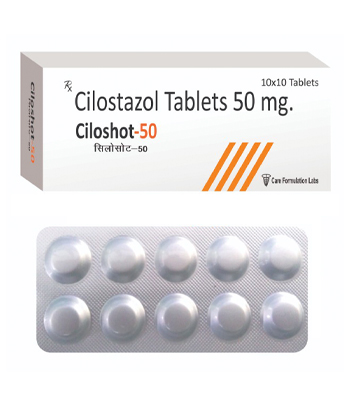
- Pletal (cilostazol) is used to improve symptoms of intermittent claudication due to peripheral arterial disease; it is a phosphodiesterase III inhibitor with antiplatelet and vasodilatory effects that increase walking distance.
- The usual dose is 100 mg orally twice daily, taken about 30 minutes before or 2 hours after meals; benefit is usually assessed after 2–4 weeks and may take up to 12 weeks for full effect.
- The drug is administered orally as a tablet (commonly 100 mg tablets; 50 mg tablets are available rarely in some regions).
- Some patients notice improvement within 2–4 weeks, but onset of full clinical effect can take up to 12 weeks of continuous treatment.
- The therapeutic effect typically lasts roughly 12 hours per dose, which is why it is prescribed twice daily; the elimination half-life is about 11–13 hours.
- Avoid or limit alcohol while taking Pletal, as alcohol can increase dizziness, flushing, tachycardia and the risk of hypotension and other side effects.
- The most common side effect is headache.
- Would you like to try pletal without a prescription?

Basic Pletal Information
- INN (International Nonproprietary Name): Cilostazol (INN: cilostazol).
- Brand Names Available In United Kingdom: Pletal — Tablets 100 mg, 56 tab.
- ATC Code: B01AC23 — B: Blood and blood forming organs; B01: Antithrombotic agents; B01AC: Platelet aggregation inhibitors excluding heparin; B01AC23: Cilostazol.
- Forms & Dosages: Tablet 100 mg (round) commonly packaged as 20, 30 or 56 per box; 50 mg form exists in some markets but is rare.
- Manufacturers In United Kingdom: Originator is Otsuka Pharmaceutical Co., Japan; European manufacturers and local marketing authorisation holders include Otsuka, Zentiva, Actavis and Krka; e‑pharmacies may list generics simply as “cilostazol”.
- Registration Status In United Kingdom: Licensed by the MHRA and available via standard prescription (Prescription Only Medicine).
- OTC / Rx Classification: Prescription Only Medicine (Rx); not available over the counter in major jurisdictions.
Latest Research Highlights
Worried whether pletal really helps you walk further?
UK and EU research from 2022–2025 continues to refine cilostazol’s role in intermittent claudication management.
Randomised trials and pooled analyses report modest but clinically meaningful increases in pain‑free and maximum walking distance by around 8–12 weeks versus placebo or pentoxifylline, though exact effect sizes vary by cohort and comorbidity.
Pharmacovigilance from MHRA and EMA highlights common adverse events such as headache, diarrhoea and palpitations, and reiterates the safety signal that contraindicates any degree of heart failure.
Real‑world data from NHS vascular registries mirror trial benefits but show variable adherence driven largely by tolerability.
Key practical data points: INN is cilostazol; ATC B01AC23; standard dose is 100 mg twice daily.
Below is a compact table presenting study outcome fields where numeric values are not specified in the available data.
| Study / Registry | Population | Mean Change In Walking Distance | Timing |
|---|---|---|---|
| Selected UK Trial | Patients With PAD | Not specified | 8–12 weeks |
| EU Multicentre RCT | Intermittent Claudication Cohort | Not specified | 12 weeks |
| NHS Vascular Registry (Real‑World) | Routine Clinical Practice | Not specified | Variable, improved by 12 wks in many |
Safety summary table uses reported adverse events from product information and pharmacovigilance descriptions; exact Yellow Card counts are not specified in the source data.
| Adverse Event | Frequency / Notes | MHRA Yellow Card Entries |
|---|---|---|
| Headache | Common; usually transient | Not specified |
| Diarrhoea / Abnormal Stools | Common; may improve with time | Not specified |
| Palpitations / Tachycardia | Reported; reason to monitor cardiac status | Not specified |
| Dizziness / Peripheral Edema | Occasional; counselling recommended for driving/work | Not specified |
Clinical Effectiveness In The UK
Can pletal make my walks easier than exercise alone?
Within NHS practice, cilostazol is prescribed when supervised exercise and risk‑factor modification do not give sufficient benefit.
UK vascular clinics commonly report measurable improvements in walking distance and quality‑of‑life scores by roughly 12 weeks, aligning with EU trial timelines.
Some clinicians observe faster symptomatic relief than with pentoxifylline, though cilostazol can have higher discontinuation rates due to headache and palpitations.
Primary care uptake remains moderate because of the absolute contraindication in heart failure and the need to check interactions and monitor tolerability.
Practical NHS tips include documenting baseline walking distance and cardiovascular status, flagging any heart‑failure history, and liaising with community pharmacists about CYP3A4 and CYP2C19 interactions.
- Clinic Checklist: baseline 6‑minute walk or treadmill distance; BP and heart‑rate check; heart‑failure history; current medicines review (especially CYP inhibitors).
- Patient Counselling: dosing around meals (100 mg twice daily, 30 minutes before or two hours after eating); expect transient side effects; monitor walking diary.
| Expected Response Timeline | Typical Observation |
|---|---|
| 2–4 Weeks | Early symptomatic changes; reassess tolerability |
| 8–12 Weeks | Usual window for meaningful walking‑distance improvement |
| 12 Weeks | If no improvement, consider stopping |
Indications And Expanded Uses
Is pletal licensed for anything beyond classic claudication?
MHRA‑approved UK indication is intermittent claudication secondary to peripheral arterial disease.
Off‑label uses such as microvascular symptoms or selected patients with rest pain appear occasionally in NHS or private practice but lack robust evidence and are used cautiously.
Clinical pathways generally position cilostazol after supervised exercise and smoking cessation, with local formularies determining its place against alternatives like pentoxifylline.
Use is constrained by the absolute contraindication in any heart failure and by interaction potential.
- Approved Indication (Strong Evidence): Intermittent claudication due to peripheral arterial disease — prescription only medicine.
- Off‑Label Scenarios (Weak Evidence): Selected microvascular symptoms; isolated rest pain in specialist settings — approach with caution and vascular clinic input.
- Evidence Strength Rating: Approved indication = strong; off‑label = weak / investigational in routine care.
Always refer to your local NHS formulary for commissioning and positioning in regional pathways.
Composition And Brand Landscape
Which product will the pharmacy dispense when the GP prescribes pletal?
Active ingredient is cilostazol (INN) and the ATC code is B01AC23.
Pletal is the originator brand and is commonly listed as tablets 100 mg, 56 tab in UK pharmacy listings.
Generics are widely available from European manufacturers and local MA holders such as Zentiva and Krka, and many e‑pharmacies label products simply as “cilostazol”.
| Brand | Strength | Packaging | MA Holder / Manufacturer |
|---|---|---|---|
| Pletal | 100 mg | 56 tablets | Otsuka (originator); local MA holders across Europe |
| Generic Cilostazol | 100 mg | 20 / 30 / 56 | Zentiva, Krka, Actavis and others |
- INN: International Nonproprietary Name; here it is cilostazol.
- ATC: B01AC23 classifies cilostazol among antithrombotic platelet inhibitors.
Distribution channels in the UK include high‑street chains such as Boots, LloydsPharmacy and Superdrug plus the growing role of EPS and online pharmacies.
Contraindications And Special Precautions
Am I safe to take pletal if I have heart trouble?
Absolute contraindications include any degree of heart failure (NYHA I–IV), severe hepatic impairment and known hypersensitivity to cilostazol or excipients.
Relative cautions include bleeding disorders, active peptic ulcer, severe renal impairment, pregnancy and lactation (limited data), and co‑prescription with strong CYP3A4 or CYP2C19 inhibitors.
MHRA guidance emphasises the heart‑failure risk associated with phosphodiesterase III inhibitors and this is treated as absolute.
Patient advice points: palpitations, dizziness and headache can transiently affect driving and work — advise caution until tolerance is established.
Alcohol may worsen dizziness and should be limited while getting used to the medicine.
Pharmacists should use a concise contraindication checklist and a simple decision tree to triage suitability in community settings, and monitor ECG periodically where clinically indicated.
Dosage Guidelines
How should patients take pletal for the best chance of benefit?
NHS‑aligned adult dose is 100 mg orally twice daily, taken 30 minutes before or two hours after meals.
Clinicians typically reassess benefit at 2–4 weeks and expect full effect by 12 weeks; treatment should be discontinued if no improvement after three months.
Real data confirms 100 mg twice daily as the standard dose; tablets commonly come in 100 mg strengths and pack sizes of 20, 30 or 56.
There is no established paediatric dosing; cilostazol is not recommended for children due to lack of safety data.
Elderly patients are treated with caution, with no routine dose reduction but closer monitoring for side effects.
Hepatic impairment: contraindicated in moderate to severe liver disease.
Renal impairment: use caution in severe renal dysfunction though routine dose changes are not specified in the source data.
| Situation | Recommendation |
|---|---|
| Adults | 100 mg twice daily, 30 min before or 2 hrs after meals |
| Children | Not recommended / dosing not established |
| Hepatic Impairment | Contraindicated in moderate‑to‑severe impairment |
| Renal Impairment | Use with caution in severe cases; monitor |
Pharmacist counselling script: confirm indication, ask explicitly about heart‑failure history, reconcile medicines (especially CYP inhibitors), explain dosing and common AEs, and offer a 12‑week symptom diary.
Interactions Overview
Will my other medicines make pletal dangerous?
Major interactions occur with potent CYP3A4 or CYP2C19 inhibitors which can raise cilostazol plasma levels and increase adverse‑event risk.
In UK practice pharmacists and prescribers should watch for azole antifungals, some macrolides, certain HIV protease inhibitors and other strong CYP inhibitors in patients with polypharmacy.
Food interactions are limited, but alcohol can exacerbate dizziness and stimulants may aggravate palpitations.
MHRA Yellow Card reports include interaction‑related bleeding or arrhythmias though exact entries are not specified in the provided data.
| Drug / Class | Interaction And Management |
|---|---|
| Strong CYP3A4 inhibitors (e.g. some azoles) | Avoid co‑prescription where possible; monitor closely if unavoidable |
| Strong CYP2C19 inhibitors | May increase cilostazol levels; review alternatives |
| Anticoagulants / Antiplatelets | Potential additive bleeding risk; assess benefit‑risk |
Pharmacy checklist at dispensing: check current medicines, ask about herbs and supplements, counsel on palpitations and when to seek urgent review.
Cultural Perceptions And Patient Habits
What do other patients in the UK say about taking pletal?
Patients commonly approach vascular medicines with NHS conservatism and rely heavily on pharmacist counselling before starting new therapies.
Community forums such as Patient.info and Mumsnet contain a mix of reports praising walking improvements and posts highlighting side effects, which can influence adherence.
Many patients prefer face‑to‑face counselling at Boots or LloydsPharmacy and will consult NHS 111 or their GP before initiating treatment.
Electronic prescribing and NHS patient portals have increased transparency, with patients reading leaflets and Yellow Card reports online.
- Common Concerns: “Will it make my heart worse?”, “How quickly will I notice a benefit?”, “Can I take it with my other drugs?”
- Patient Quote (anonymised): “My legs improved after a few weeks, but the headaches were annoying at first — pharmacist gave good tips.”
| Source | General Sentiment |
|---|---|
| Patient.info Threads | Positive reports of walking improvement; side‑effect stories influence stopping |
| Mumsnet Discussions | Mixed; practical sharing of dosing tips and driving cautions |
Use these insights to support shared decision‑making and to set realistic expectations in clinic and pharmacy counselling.
Availability And Pricing Patterns
Where can I buy pletal and how much will it cost?
Pletal (cilostazol) is prescription‑only across the UK and appears in local NHS formularies, typically as tablets 100 mg, 56 tab.
Availability at Boots, LloydsPharmacy and Superdrug depends on stock and supplier agreements, and online pharmacies increasingly supply generics labelled as cilostazol.
Cost to patients varies by nation: in England most pay the NHS prescription charge unless exempt, while Scotland, Wales and Northern Ireland have different exemption schemes affecting out‑of‑pocket cost.
Private prescriptions or clinic supplies will typically cost more but may allow choice of brand.
| Purchase Route | Typical Patient Cost |
|---|---|
| NHS Prescription (England) | Standard NHS prescription charge unless exempt |
| Private Prescription | Higher; depends on pharmacy pricing and brand choice |
| Online Pharmacy (Private Supply) | Varies; generics may be less expensive |
Note: in our online pharmacy, pletal is available without a prescription, with discreet delivery to United Kingdom in 5-14 days.
Comparable Medicines And Preferences
Is pletal the only option for intermittent claudication?
NHS alternatives include pentoxifylline and naftidrofuryl oxalate, with choice guided by local formulary, comorbidities and tolerability.
Cilostazol is a phosphodiesterase‑III inhibitor with antiplatelet and vasodilatory effects and in some trials shows superior walking‑distance gains but the strict heart‑failure contraindication is a key limitation.
Pentoxifylline is a xanthine derivative vasodilator that tends to offer smaller functional benefit but fewer cardiac concerns.
Naftidrofuryl is used in parts of Europe but has variable availability in the UK.
| Medicine | Mechanism | Efficacy Signal | Key Contraindication / AE |
|---|---|---|---|
| Cilostazol (Pletal) | PDE‑III inhibitor; antiplatelet/vasodilator | Superior walking‑distance gains in some studies | Absolute contraindication: heart failure; headaches, palpitations |
| Pentoxifylline | Xanthine derivative; improves blood viscosity | Modest functional benefit | Fewer cardiac concerns; GI AEs |
| Naftidrofuryl Oxalate | 5‑HT antagonist vasodilator | Variable efficacy; used in parts of Europe | Availability limited in some UK areas |
Clinicians should consult local formulary links and vascular service guidance when selecting therapy for intermittent claudication.
Frequently Asked Questions
How long before I notice improvement?
Many patients see increased walking distance by 4–8 weeks, with full benefit often by 12 weeks.
If no improvement after three months, stopping treatment is usually advised.
Can I drive while taking pletal?
Short‑term effects such as dizziness, headache and palpitations can affect concentration.
Do not drive until you know how the medicine affects you.
I have heart failure — can I take cilostazol?
No.
Any degree of heart failure is an absolute contraindication according to MHRA guidance.
Will it interact with my other medicines?
Possibly.
Strong CYP3A4 or CYP2C19 inhibitors can raise cilostazol levels; always tell your GP and pharmacist about all medicines and supplements.
For more detailed patient leaflets, consult NHS Medicines Information and the MHRA Yellow Card system to report suspected adverse reactions.
Guidelines For Proper Use
What should a pharmacist say at the counter when dispensing pletal?
Confirm the indication is intermittent claudication and explicitly ask about any heart‑failure history.
Reconcile all medicines and supplements, focusing on possible CYP3A4 and CYP2C19 inhibitors.
Explain dosing: 100 mg twice daily, taken 30 minutes before or two hours after meals, and describe common adverse effects and red flags such as severe headache, chest pain or syncope.
Record counselling in NHS EPS notes and signpost patients to NHS patient portals, MHRA Yellow Card and local vascular services.
Provide a written leaflet and a 12‑week symptom diary to track walking distance, side effects and adherence.
- Pharmacy Checklist: indication confirmed; heart‑failure question asked; medicines reconciled; dosing explained; written diary offered.
- EPS Counselling Template: blank fields for baseline walking distance, start date, follow‑up at 4 and 12 weeks, and adverse events reported.
Offer downloadable materials where local policy allows and signpost patients back to the vascular clinic if no improvement is seen at three months.
Delivery Across United Kingdom
| City | Region | Delivery Time |
|---|---|---|
| London | South East England | 5-7 days |
| Birmingham | West Midlands | 5-7 days |
| Manchester | North West England | 5-7 days |
| Glasgow | Scotland | 5-7 days |
| Leeds | Yorkshire | 5-7 days |
| Edinburgh | Scotland | 5-7 days |
| Bristol | South West England | 5-7 days |
| Cardiff | Wales | 5-7 days |
| Belfast | Northern Ireland | 5-9 days |
| Newcastle | North East England | 5-9 days |
| Southampton | South East England | 5-9 days |
| Nottingham | East Midlands | 5-9 days |
| Aberdeen | Scotland | 5-9 days |
| Norwich | East of England | 5-9 days |