
Enclomiphene
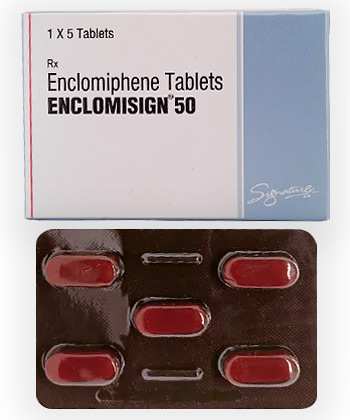
Enclomiphene
- You may find enclomiphene through some online research suppliers, compounding pharmacies, or grey-market sources, and in some places it may be offered without a prescription; however, it is not legally approved for routine sale in the UK, EU, or USA, and prescription-only use applies where it is handled in regulated settings.
- Enclomiphene is used mainly in men with secondary hypogonadism and sometimes off-label for male infertility. It is a selective oestrogen receptor modulator related to clomiphene, and it works by blocking oestrogen feedback at the hypothalamus and pituitary to increase LH and FSH, thereby stimulating the body’s own testosterone production.
- The usual dose is 12.5–25 mg once daily, with 12.5 mg, 25 mg, and sometimes 50 mg used in studies depending on response and tolerability.
- It is most commonly administered as a tablet; capsules and bulk powder for compounding may also be available in some markets.
- Onset is not immediate: hormonal effects typically begin over several days, while noticeable clinical benefits are often seen after 2–4 weeks of regular use.
- Duration of action is generally around 24 hours, which is why it is usually taken once daily; treatment courses in clinical protocols often last 3–6 months with reassessment.
- Alcohol should be avoided or kept to a minimum, as it may worsen side effects and can also be unhelpful in patients with hormone or liver-related problems.
- The most common side effects are hot flushes, headache, nausea, and mood changes; less commonly, visual disturbances, acne, sweating, and gynaecomastia may occur.
- Would you like to try enclomiphene without a prescription?
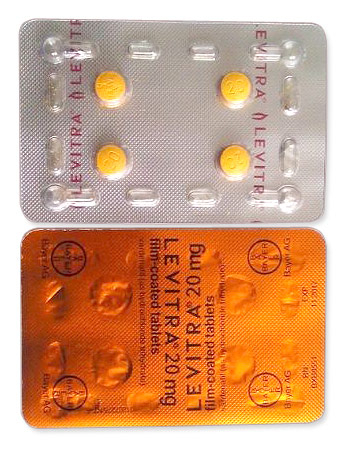
Basic Enclomiphene Information
- INN (International Nonproprietary Name): Enclomiphene
- Brand Names Available In United Kingdom: Androxal; outside the US, enclomiphene may also be described as trans-clomiphene or trans-clomifene, but commercial UK packaging is very limited
- ATC Code: G03X
- Forms & Dosages: Tablet 12.5mg, 25mg, 50mg; capsule, typically 25mg; bulk powder for compounding
- Manufacturers In United Kingdom: not specified
- Registration Status In United Kingdom: not approved; no market authorisation in the UK, EU or US as of July 2025
- OTC / Rx Classification: Prescription-only where under investigation; not available over the counter in any regulated market
Latest Research Findings In The UK And EU
What does the recent evidence actually say, and why are so many men still reading mixed messages online?
Between 2022 and 2025, the research base for enclomiphene remained focused mainly on men with secondary hypogonadism and, to a lesser extent, male infertility.
The consistent finding was that enclomiphene can raise endogenous testosterone while aiming to preserve spermatogenesis better than exogenous testosterone therapy.
That is the main reason it attracts interest in fertility-focused care.
For UK readers, the key point is still regulatory, not just clinical.
Enclomiphene is the INN, classified under ATC G03X, and it has tablet strengths commonly seen in studies of 12.5mg, 25mg and 50mg.
As of July 2025, there is no marketing authorisation in the EU and no FDA approval in the US.
Online content often blurs enclomiphene with clomiphene or trans-clomifene, so checking MHRA and NHS sources is sensible before acting on forum advice.
| Study focus | Outcome | Safety highlights |
|---|---|---|
| Secondary hypogonadism | Testosterone rose through endogenous stimulation | Common adverse effects were generally mild to moderate |
| Male infertility | Potential support for fertility preservation | Limited evidence base and specialist monitoring needed |
| Comparisons with testosterone replacement | Less suppression of sperm counts was the theoretical advantage | Visual symptoms, mood changes and nausea were monitored closely |
Regulatory status at a glance: no MA in the EU, investigational only in the USA, and no routine regulated-market approval in the UK as of July 2025.
That matters because a blog post or marketplace page can make enclomiphene sound established, when in practice the evidence is still developing and the product remains investigational.
For a patient asking a pharmacist on a Friday evening whether enclomiphene is “the new testosterone pill”, the honest answer is that the pharmacology is promising, but approval and access are still the limiting factors.
Clinical Effectiveness In The UK Context
How would a UK patient actually judge whether it works?
In NHS practice, effectiveness would be measured by symptoms, testosterone response, fertility goals and whether the benefit can be sustained safely over time.
That is very different from reading a quick online review and assuming the result will be the same for everyone.
Because enclomiphene is not approved, there is no routine NHS prescribing pathway and no standard NHS outcomes dataset to lean on.
Patients therefore tend to experience slower access, limited specialist endocrinology or urology appointments, and a lot of uncertainty while waiting for a clear plan.
| Aspect | Enclomiphene | Testosterone replacement therapy |
|---|---|---|
| Testosterone support | Raises endogenous testosterone | Replaces testosterone directly |
| Fertility preservation | Theoretical advantage in maintaining sperm production | May suppress sperm counts |
| Access in the UK | No routine NHS route | Established pathways in selected patients |
| Long-term certainty | Limited | Better understood |
Patient-reported concerns often include variable symptom response, side effects, and uncertainty about the legitimacy of supply.
In the UK, people usually ask a pharmacist first, then NHS 111 or their GP, especially when they are trying to work out whether a medicine can be obtained through an e-prescription or a private clinic.
Indications And Expanded Uses
Can enclomiphene be prescribed for anything in the UK today?
The short answer is no, because it has no MHRA-approved indication.
Most of the discussion around use is research-led or off-label, mainly in male secondary hypogonadism and male infertility.
Female use is not recommended as a standard indication.
In clinical studies, daily dosing of 12.5mg to 25mg was typical, usually over 3 to 6 month cycles with reassessment.
- Approved use
- Not established in the UK; no MHRA-approved indication.
- Off-label use
- Discussed in male infertility and secondary hypogonadism, usually in specialist settings.
- Research use only
- Use within studies or limited compound supply settings, not routine OTC sale.
Some private clinics and compounding pharmacies may discuss enclomiphene, but routine clinical availability remains very limited and it is not an OTC medicine anywhere in regulated markets.
Under NHS prescription rules, anything like this needs proper specialist-led oversight, not casual online ordering.
Composition And Brand Landscape
What exactly is in the tablet, and why do websites use different names?
The active ingredient is enclomiphene, also written as enclomifene in some references.
It is structurally related to clomiphene, but it is the purified trans-isomer.
Androxal is the best-known developmental brand name, particularly in US clinical literature.
Outside the US, enclomiphene may appear as trans-clomiphene or trans-clomifene, which is one reason online searches get messy fast.
Major UK chains such as Boots, LloydsPharmacy and Superdrug do not stock an approved routine retail product for normal NHS dispensing as of 2025.
| Form | Strengths | Availability |
|---|---|---|
| Tablet | 12.5mg, 25mg, 50mg | Most commonly discussed in studies |
| Capsule | Varied, typically 25mg | Limited availability |
| Bulk powder | For compounding | Seen with research suppliers |
The CAS number is 15690-57-0, and that can help separate it from look-alike listings on the internet.
For patients, the practical point is simple: inconsistent naming can cause counselling problems at the pharmacy counter, especially when a seller uses the term trans-clomifene instead of enclomiphene.
Contraindications And Special Precautions
Who should not take it, and who needs extra caution?
Because the medicine is still investigational, the safest approach is to rely on class-based precautionary principles and the limited evidence available.
Absolute contraindications are particularly important if a person is considering private sourcing.
| Absolute contraindications | Relative cautions |
|---|---|
| Known hypersensitivity to enclomiphene or clomiphene analogues | Pre-existing visual disturbances |
| Liver disease | Hypertriglyceridaemia |
| Pregnancy | Severe depression or psychiatric illness |
| Active or past hormone-dependent tumours | History of thrombosis or thromboembolic events |
| Unexplained uterine bleeding if used in women | Driving if vision changes occur |
Day-to-day precautions in the UK are straightforward.
Avoid driving if blurred vision, spots or other visual symptoms appear.
Avoid alcohol excess because of liver and mood considerations.
Seek urgent advice if chest pain, breathlessness or neurological symptoms develop.
That advice matters even more when a person has self-sourced a medicine online, because product quality and counselling may be poor.
Dosage Guidelines
What dose do people actually see in studies?
There is no NHS-standard dosing pathway because enclomiphene is not approved, but study protocols commonly used 12.5mg to 25mg daily for male secondary hypogonadism or infertility.
Some formulations also appeared as 50mg tablets.
In private specialist consultations, dosing may be discussed more like a monitored treatment plan than a simple prescription.
| Typical adult dose | Duration | Notes |
|---|---|---|
| 12.5mg to 25mg daily | 3 to 6 months | Dose titrated to effect in clinical studies |
| 12.5mg to 25mg daily | Reassess periodically | Used in male infertility research |
| Not recommended | Not applicable | Female infertility is not a standard indication |
Children have not been studied and are not recommended to use it.
In older adults, caution is sensible because of comorbidities, and starting lower is usually the cautious approach in specialist settings.
No specific renal adjustment data exist, while hepatic impairment should be avoided if possible or treated with extreme caution.
If a dose is missed, it should be taken when remembered unless it is close to the next dose, and the dose should not be doubled.
Interactions Overview
Which interactions are real and which are just internet guesswork?
High-quality interaction data are limited, so advice relies on pharmacology, class similarity and careful monitoring.
Alcohol is the obvious one to discuss first, especially in a UK setting where people may be tempted to ignore it if they are only taking “a fertility tablet”.
Tea and coffee do not have a major known interaction, but caffeine-related jitteriness may make anxiety or palpitations feel worse in sensitive patients.
- Hormonal medicines may complicate symptom interpretation and should be reviewed carefully.
- Fertility drugs may need specialist oversight if used alongside enclomiphene.
- Liver-affecting medicines matter because liver disease is a contraindication.
- Medicines that worsen visual symptoms or mood instability need caution.
Any suspected adverse reaction should be reported through the MHRA Yellow Card system, especially if the product was obtained privately or from a research supplier.
That sort of reporting is part of proper pharmacist-led counselling, not an optional extra.
Cultural Perceptions And Patient Habits In The UK
Why do so many men in the UK hear about enclomiphene online before they ever speak to a clinician?
Because forums, male fertility communities and private clinic content often appear before NHS advice in search results.
People then start searching for enclomiphene tablets, enclomifene powder, Androxal capsules and even enclomiphene ANMDMR registration, hoping to work out whether it is legitimate.
- Patient curiosity
- Usually begins with low testosterone symptoms, fertility concerns or a comparison with clomifene citrate.
- Private sourcing
- Often driven by long waits, limited specialist access and confusion about what is actually approved.
- Pharmacist counselling
- Helps patients separate evidence, regulation and online marketing before they take a risk.
Trust in community pharmacists is strong in the UK, and many patients will also use NHS 111 or a patient portal before deciding what to do next.
In Patient.info or Mumsnet-style discussions, people often compare fertility preservation, side effects and whether the medicine can be obtained legally through the NHS.
That caution around “testosterone boosters” sold online is healthy, because not every product with a men’s-health label is a proper medicine.
Availability And Pricing Patterns
Can a patient simply buy it in the UK?
No approved routine market product is available in the UK, EU or US as of July 2025.
That shapes everything else, from Boots and LloydsPharmacy to online pharmacies.
Patients may find information pages, but not standard dispensing for enclomiphene.
And while our online pharmacy lists enclomiphene without a prescription with discreet delivery to the United Kingdom in 5-14 days, patients should still understand the regulatory picture and use clinical advice where appropriate.
| Access route | What it means | Practical UK point |
|---|---|---|
| NHS | No normal prescribing route | Not a standard NHS prescription item |
| Private clinic | Specialist discussion and monitoring | Can be slow and costly |
| Compounding pharmacy | Custom preparation in limited settings | Usually research use only |
| Research supplier | Chemical supply-grade material | Not appropriate for routine patient use |
The main price issue is not standard NHS pricing, but private consultation fees, compounding costs and supply uncertainty.
NHS prescription charges also differ across England, Scotland, Wales and Northern Ireland, but that is mostly theoretical here because enclomiphene is not a normal NHS item.
Illegitimate overseas sellers remain a real risk, especially when e-prescriptions are mentioned without proper regulation.
Comparable Medicines And Preferences
Which medicine is the closest fit, and why do searches keep mixing them up?
Clomiphene, clomifene citrate, tamoxifen and letrozole are the main comparators people ask about in fertility medicine discussions.
The key distinction is that clomiphene is a mixture of isomers, while enclomiphene is the trans isomer thought to be more effective in men.
| Medicine | Main use | Difference or note |
|---|---|---|
| Clomiphene | Female and male infertility | Mixture of isomers |
| Tamoxifen | Estrogen modulator | Primarily used in breast cancer; some off-label overlap |
| Letrozole | Aromatase inhibitor | Different mechanism and use-case |
- Potential fertility preservation is the main theoretical advantage.
- Approved access is still limited.
- Long-term data remain uncertain.
- Monitoring is needed rather than casual use.
Clomifene citrate is the better-known name in fertility discussions, which is why people often assume enclomiphene is just another version of the same thing.
That assumption is understandable, but it is not exact.
Frequently Asked Questions
Is enclomiphene available on the NHS?
No, it is not routinely available on the NHS because it is not approved in the UK.
Can I buy it from Boots or an online pharmacy?
It is not sold as a standard approved retail product, so pharmacist or GP advice is the right starting point.
What side effects should I watch for?
Watch for hot flushes, headache, nausea, mood changes and any visual symptoms such as blurred vision or spots.
Is it the same as clomiphene?
No, it is related to clomiphene but is the purified trans-isomer and is thought to behave differently in men.
Guidelines For Proper Use
What does safe use look like when the medicine is still investigational?
It starts with specialist supervision, baseline review and proper follow-up of symptoms, testosterone, fertility goals and side effects.
That is true whether the discussion is happening in an NHS portal, a private clinic or a pharmacist consultation.
Storage matters too.
Keep it at room temperature, 15–25°C, in a dry and dark place, protected from moisture and heat, and transport it in well-sealed, light-protected packaging.
- Take it at the same time each day.
- Do not double a missed dose.
- Report visual changes or mood changes promptly.
- Avoid self-medicating with unverified sources.
- Seek advice through NHS portals or a pharmacist if anything feels off.
Overdose management is supportive only, with no specific antidote.
That is another reason documentation matters, because formal records in NHS systems or legitimate private records make follow-up much safer.
Delivery Across United Kingdom
| City | Region | Delivery time |
|---|---|---|
| London | England | 5-7 days |
| Birmingham | England | 5-7 days |
| Manchester | England | 5-7 days |
| Glasgow | Scotland | 5-7 days |
| Edinburgh | Scotland | 5-7 days |
| Liverpool | England | 5-7 days |
| Leeds | England | 5-7 days |
| Sheffield | England | 5-9 days |
| Bristol | England | 5-7 days |
| Newcastle upon Tyne | England | 5-9 days |
| Cardiff | Wales | 5-7 days |
| Belfast | Northern Ireland | 5-7 days |
| Nottingham | England | 5-9 days |
| Aberdeen | Scotland | 5-9 days |