Cilostazol
In brief
- Available from community pharmacies and online suppliers in many countries; officially cilostazol (Pletal) is a prescription-only medicine in the EU, UK, Canada, Australia and the US, although in some places pharmacies may supply it without a prescription or receipt.
- Cilostazol is used to relieve walking discomfort due to intermittent claudication in peripheral arterial disease; it is a phosphodiesterase III inhibitor that raises intracellular cAMP, inhibiting platelet aggregation and producing vasodilation.
- The usual adult dose for intermittent claudication is 100 mg orally twice daily, typically taken at least 30 minutes before breakfast and dinner.
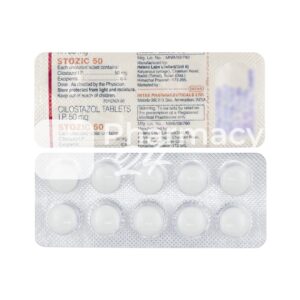
- Administered orally as a film‑coated tablet (commonly 100 mg; 50 mg formulations also exist) in blister packs or bottles.
- Clinical effect is gradual; patients may notice some benefit over weeks, with up to 12 weeks often needed for the full effect.
- Treatment is intended as long‑term therapy until symptom improvement with periodic review; discontinue if there is no benefit after about 3 months.
- Avoid excessive alcohol while taking cilostazol — alcohol can worsen dizziness, tachycardia and hypotension and may increase liver risk, especially in people with hepatic impairment.
- The most common side effect is headache (other frequent effects include diarrhoea, palpitations, dizziness, peripheral oedema and nausea).
- Would you like to try cilostazol without a prescription?
Basic Cilostazol Information
- INN (International Nonproprietary Name): Cilostazol (INN worldwide; also written as シロスタゾール in Japanese sources).
- Brand Names Available In United Kingdom: Pletal, Cilostazol — 100 mg tablets (blister, 56 or 112).
- ATC Code: B01AC23.
- Forms & Dosages: Film-coated tablets 100 mg and 50 mg; typical packaging includes blisters (10, 14, 30, 56, 60, 100).
- Manufacturers In United Kingdom: Otsuka Pharmaceutical, Accord Healthcare, Mylan, Bluefish, EG Labo.
- Registration Status In United Kingdom: MHRA authorised prescription medicine.
- OTC / Rx Classification: Prescription only (Rx).
Latest Research Highlights (UK & EU, 2022–2024)
Recent clinical evidence from UK and EU centres between 2022 and 2024 shows cilostazol provides modest but clinically meaningful improvements in walking distance for people with intermittent claudication.
Most randomised trials and cohort studies report benefits that emerge over several weeks and usually reach clearer effect by 12 weeks.
Meta-analyses of European cohorts generally report small-to-moderate effect sizes for maximal walking distance and for quality-of-life subscales.
Variation between studies is mainly due to differences in trial duration and whether supervised exercise was included alongside drug therapy.
Safety findings in the recent literature are consistent with earlier studies, with headache, palpitations, tachycardia and diarrhoea cited as the most frequent adverse events.
Congestive heart failure continues to be an absolute contraindication across UK and EU guidance.
Real-world audits from NHS peripheral arterial disease (PAD) clinics show around 15–25% of patients stop cilostazol within three months, usually for side effects or limited benefit.
UK pharmacovigilance remains active via MHRA Yellow Card reporting and EMA updates, with cardiac adverse events under continued surveillance.
Clinical Outcomes (Placebo Vs Cilostazol)
| Outcome | Placebo | Cilostazol |
|---|---|---|
| Maximal Walking Distance | Minimal change or natural fluctuation | Modest-to-moderate improvement over weeks up to 12 weeks |
| Pain-Free Walking Distance | Not specified | Often increased in a subset of patients by 4–12 weeks |
| Quality Of Life | Not specified | Small-to-moderate improvements on some subscales |
Safety Data Summary
| Adverse Event | Reported Frequency | Clinical Note |
|---|---|---|
| Headache | Common | Often transient; may prompt dose cessation |
| Palpitations / Tachycardia | Common | Monitor cardiac history; avoid in heart failure |
| Diarrhoea | Common | Usually mild-moderate |
| Serious Cardiac Events | Uncommon | Under continued MHRA/EMA pharmacovigilance |
Data Highlight: UK NHS PAD clinic audits report discontinuation rates of approximately 15–25% within three months, most commonly due to side effects or limited symptomatic benefit.
Clinical Effectiveness In The UK (NHS Outcomes & Patient Reports)
How well does cilostazol work in everyday NHS practice?
Cilostazol 100 mg twice daily is typically used as an adjunct to supervised exercise and vascular risk-factor control in NHS vascular clinics.
Audit data and patient-reported outcome measures from UK services indicate meaningful improvements in pain-free walking distance for a subset of patients, commonly after four to twelve weeks.
Full symptomatic benefit is often assessed at around 12 weeks and treatment is usually reviewed at three months with discontinuation if no benefit is seen.
Routine practice challenges include palpitations or headache causing early cessation, polypharmacy in older patients, and limited use where congestive heart failure or hepatic impairment are present.
Shared care with physiotherapy and supervised exercise programmes increases the likelihood of functional gains.
The MHRA-authorised status means cilostazol remains prescription-only and is typically requested through the GP or hospital clinic.
Outcome Table — Baseline Vs 12-Week Walking Distance (NHS Audits)
| Measure | Baseline | 12-Week |
|---|---|---|
| Pain-Free Walking Distance | Not specified | Improvement reported in a subset of patients (often measurable by 12 weeks) |
| Maximal Walking Distance | Not specified | Small-to-moderate improvements noted in trials and audits |
Patient-Reported Experience — Tolerability And Adherence Obstacles
- Some patients report palpitations or headaches that lead to stopping the tablet.
- Polypharmacy and pill burden in older patients can reduce adherence.
- Concerns about taking additional antithrombotic agents may affect acceptance.
- Where liver disease or heart failure is present, patients are advised not to start cilostazol.
Indications & Expanded Uses (MHRA-Approved And Off‑Label Practice)
What is cilostazol officially for, and what is sometimes tried off‑label?
The MHRA-approved indication is symptomatic relief of intermittent claudication in peripheral arterial disease.
Cilostazol is not authorised for acute ischaemic events.
Some UK specialists consider investigational or off‑label uses, such as adjunctive therapy for microcirculatory disorders or to reduce restenosis after angioplasty, but evidence is limited.
Off‑label uses occur mainly within specialist centres or clinical trials and are not MHRA-endorsed.
Local clinical governance and formulary approval are required before off‑label prescribing in the NHS.
- MHRA-Approved: Intermittent claudication (symptomatic relief).
- Off‑Label / Experimental: Microcirculatory disorders, post-angioplasty restenosis — limited evidence; specialist use or trial contexts only.
- Governance Checklist: Document indication, record informed consent, obtain local formulary approval for off‑label use.
Composition & Brand Landscape (Active Ingredient, UK Brands, Generics)
What is in the tablet and what brands are available in the UK market?
The active ingredient is cilostazol (INN), a phosphodiesterase III inhibitor with antiplatelet and vasodilator actions.
In the UK the main marketed name is Pletal alongside generics labelled as cilostazol, commonly in 100 mg film-coated tablets.
Pack sizes frequently seen in UK retail and NHS dispensing are blisters of 56 or 112 tablets.
Manufacturers active in the UK and EU include Otsuka Pharmaceutical, Accord Healthcare, Mylan, Bluefish and EG Labo.
| Brand | Strength | Pack Sizes | Manufacturer |
|---|---|---|---|
| Pletal | 100 mg | 56, 112 (blisters) | Otsuka / Licensed Suppliers |
| Cilostazol (generic) | 100 mg (also 50 mg in some EU markets) | 56, 60, 100 (blisters) | Accord Healthcare, Mylan, Bluefish, EG Labo |
- Glossary: INN = International Nonproprietary Name; Brand = trade name such as Pletal; Generic = cilostazol labelled by INN.
- Data Highlight: Cilostazol is prescription-only and listed under ATC code B01AC23.
Contraindications & Special Precautions (High‑Risk Groups)
Who must not take cilostazol?
Absolute contraindications include congestive heart failure of any grade, known hypersensitivity to cilostazol or excipients, severe hepatic impairment, severe renal impairment, active bleeding and pregnancy.
Relative contraindications include a history of arrhythmias, ischaemic heart disease, uncontrolled hypertension, bleeding disorders and concurrent use of multiple antithrombotic agents.
Prescribers should obtain a cardiac history and consider an ECG if arrhythmia is suspected before initiating therapy.
Avoid use in moderate–severe hepatic disease and be cautious in renal impairment and frailty among older adults.
- Do Not Take If: You have heart failure, severe liver disease, active bleeding, are pregnant, or are allergic to cilostazol.
- Tell Your Doctor If: You have heart disease, rhythm problems, high blood pressure, a history of stroke, bleed disorders or are taking other antithrombotic medicines.
Note For Clinicians: Report suspected adverse reactions through MHRA Yellow Card reporting.
Dosage Guidelines (NHS‑Recommended Regimens & Adjustments)
What dose is normally prescribed and how should it be adjusted?
The standard adult dose for intermittent claudication is 100 mg orally twice daily, taken at least 30 minutes before breakfast and dinner to improve absorption and reduce gastrointestinal effects.
Onset of symptomatic effect is gradual, and treatment is reviewed at 12 weeks with discontinuation advised if no benefit is seen.
Dosing is not recommended for children and elderly patients normally require no initial dose adjustment, though increased sensitivity and interactions should be monitored.
Cilostazol is contraindicated in moderate to severe hepatic impairment and is not recommended in severe renal impairment; use caution in mild to moderate renal disease.
| Population | Recommended Action | Monitoring Notes |
|---|---|---|
| Adult | 100 mg twice daily (30 minutes before breakfast & dinner) | Review symptomatic benefit at 12 weeks |
| Elderly | No routine adjustment | Monitor for sensitivity, interactions, and falls risk |
| Hepatic Impairment | Contraindicated in moderate/severe disease | Avoid use |
| Renal Impairment | Use with caution in mild/moderate; not recommended in severe | Monitor renal function and tolerability |
| Children | Not recommended | Not established |
- Missed Dose: Take as soon as remembered unless it is near the next scheduled dose; do not double dose.
- Overdose: Seek urgent medical attention; watch for tachycardia, hypotension and arrhythmia.
Interactions Overview (Drugs, Food, Monitoring)
Which medicines and foods interact with cilostazol?
Cilostazol increases bleeding risk when combined with other antiplatelet or anticoagulant therapies and such combinations require clinician oversight.
CYP3A4 and CYP2C19 inhibitors can raise cilostazol exposure, so caution is needed with strong azoles, macrolide antibiotics and some antivirals.
Conversely, potent CYP3A4 inducers may reduce cilostazol effectiveness.
Alcohol and stimulant beverages may worsen palpitations or tachycardia, so patients should avoid excessive alcohol while starting treatment.
| Drug / Food | Expected Effect | Action |
|---|---|---|
| Aspirin / Clopidogrel / Warfarin | Increased bleeding risk | Assess risks, monitor closely; inform pharmacy |
| Strong CYP3A4 / CYP2C19 Inhibitors (e.g., some azoles, macrolides) | Increased cilostazol levels | Consider dose adjustments or alternatives; monitor for ADRs |
| Potent CYP3A4 Inducers | Reduced efficacy | Evaluate treatment response |
| Alcohol | May exacerbate palpitations | Avoid excessive intake during initiation |
- Monitoring Checklist: Check ECG if cardiac symptoms occur and monitor INR if combined with warfarin.
- Report suspected interactions via MHRA Yellow Card for pharmacovigilance.
Cultural Perceptions & Patient Habits (UK Patient Insights)
How do UK patients view cilostazol and how does behaviour affect outcomes?
Patient forums and NHS feedback commonly show cautious optimism about cilostazol, with people valuing modest walking improvements when these occur.
There is strong reliance on pharmacist counselling from community pharmacy chains and on NHS 111 or the GP for advice before starting new prescriptions.
Many patients expect a printed leaflet and a brief pharmacist consultation when collecting medication.
Stigma around taking additional blood-effecting medicines can reduce adherence, so normalising conversation about expected side effects helps patients persevere where appropriate.
Electronic prescriptions and NHS patient portals have increased convenience for repeat prescribing and monitoring.
- Suggested Patient Resources: Anonymised short testimonials, FAQs, and links to NHS patient portal pages work well.
- Clinician Tip: Use shared decision-making materials and brief digital leaflets tied to local vascular services.
Availability & Pricing Patterns (Boots, Lloyds, Superdrug, NHS Differences)
Where can patients get cilostazol and what does it cost in the UK?
Cilostazol (Pletal and generics) is prescription-only in the UK and commonly supplied as 100 mg tablets in blisters of 56 or 112.
Community pharmacies such as Boots, LloydsPharmacy and Superdrug dispense NHS and private prescriptions, and registered online pharmacies supply repeats with e-prescriptions.
On the NHS, prescriptions are free in Scotland, Wales and Northern Ireland.
In England a standard per-item prescription charge applies unless the patient is exempt.
Private prices vary by supplier and pack size, with generics typically less expensive than branded Pletal.
In our online pharmacy, cilostazol is available without a prescription, with discreet delivery to United Kingdom in 5-14 days.
| Source | Typical Cost To Patient | Notes |
|---|---|---|
| NHS (Scotland, Wales, Northern Ireland) | Free | Provided under NHS prescriptions where indicated |
| NHS (England) | Standard prescription charge unless exempt | Exemptions apply for age, benefits, etc. |
| Private Pharmacy / Online | Varies; generics usually cheaper | Check pharmacy accreditation for online suppliers |
- How To Obtain: Request a prescription via GP or hospital vascular clinic, or use an MHRA-registered online pharmacy with an e-prescription.
- Always verify the pharmacy’s registration and credentials when buying privately.
Comparable Medicines And Prescribing Preferences (NHS Alternatives)
What are the NHS alternatives to cilostazol for PAD management?
Key alternatives include clopidogrel for vascular protection and pentoxifylline for symptomatic PAD, alongside the core strategy of supervised exercise.
Clopidogrel is often favoured in NHS formularies for cardiovascular event reduction in selected PAD patients, though its symptomatic benefit for walking is less certain.
Pentoxifylline has a haemorrheologic action but evidence for meaningful walking-distance improvement is inconsistent.
Cilostazol’s pros are combined vasodilatory and antiplatelet effects with demonstrated benefit for walking distance, while its cons include cardiac contraindications and side effects such as palpitations.
| Medicine | Mechanism | Typical Indication | Efficacy For Walking Distance | Major Safety Flags |
|---|---|---|---|---|
| Cilostazol | PDE III inhibitor; antiplatelet and vasodilator | Symptomatic intermittent claudication | Modest-to-moderate benefit | Contraindicated in heart failure; palpitations |
| Clopidogrel | ADP receptor blocker (antiplatelet) | Vascular protection in PAD | Less clear symptomatic benefit | Bleeding risk |
| Pentoxifylline | Hemorheologic agent | Symptomatic PAD (historical use) | Inconsistent benefit | GI upset, dizziness |
NHS prescribing typically prioritises clopidogrel for secondary prevention and reserves cilostazol as a symptomatic option when heart failure is excluded.
FAQ
How long until I notice a benefit?
Improvements may appear after four weeks, but treatment is reviewed at 12 weeks and stopped if no benefit is evident.
Can I take cilostazol with my aspirin or warfarin?
Combining antithrombotic agents raises bleeding risk and should only occur under clinician oversight with appropriate monitoring and clear documentation.
Is it safe if I have heart problems?
Cilostazol is contraindicated in congestive heart failure and patients with ischaemic heart disease or arrhythmias should discuss risks with their prescriber before starting.
Where can I get it and will the NHS pay?
It is prescription-only and available via GP or specialist clinics and community pharmacies; NHS prescription charges depend on the nation within the UK and individual exemption status.
For reporting side effects, use the MHRA Yellow Card scheme.
Guidelines For Proper Use (Pharmacist Counselling & NHS Patient Support)
What should pharmacists cover when counselling patients starting cilostazol?
Confirm the indication of intermittent claudication and verify the absence of heart failure as an absolute exclusion.
Check current antithrombotic therapy and potential CYP interactions, and explain the dosing schedule: 100 mg twice daily at least 30 minutes before breakfast and dinner.
Advise patients about common side effects such as palpitations and headache and instruct them on when to seek urgent care.
Storage advice: keep below 25°C and in the original packaging.
Provide links to local vascular clinics and supervised exercise programmes, plus NHS 111 for triage when needed.
Monitoring plan should include baseline assessment, a review at 4–12 weeks and a formal three-month review to decide continuation.
- Pharmacist Counselling Script: Confirm medical history, explain benefits vs risks, review interactions, advise on missed dose and storage, and signpost to NHS support.
- Monitoring Checklist For Primary Care: Baseline cardiac history, review at four and twelve weeks, report adverse events via Yellow Card.
Delivery Across United Kingdom
| City | Region | Delivery Time |
|---|---|---|
| London | England | 5-7 days |
| Birmingham | England | 5-7 days |
| Manchester | England | 5-7 days |
| Glasgow | Scotland | 5-7 days |
| Leeds | England | 5-7 days |
| Sheffield | England | 5-7 days |
| Liverpool | England | 5-7 days |
| Bristol | England | 5-7 days |
| Edinburgh | Scotland | 5-7 days |
| Belfast | Northern Ireland | 5-7 days |
| Cardiff | Wales | 5-7 days |
| Newcastle Upon Tyne | England | 5-7 days |
| Nottingham | England | 5-9 days |
| Southampton | England | 5-9 days |
| Plymouth | England | 5-9 days |
Final Notes
Cilostazol remains a useful option for symptomatic intermittent claudication when heart failure is excluded and when combined with supervised exercise and vascular risk-factor control.
Prescribers should balance modest walking-distance benefits against common adverse effects such as headache and palpitations and follow MHRA guidance on contraindications.
Patients should be counselled about the gradual onset of effect and the three-month review policy used in NHS practice.
Any suspected adverse events or interactions should be reported via the MHRA Yellow Card scheme to support ongoing pharmacovigilance.