
Mental Disorders
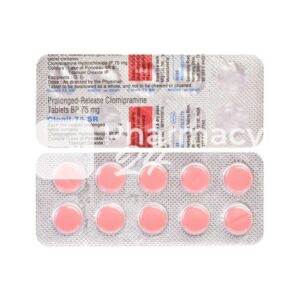
Anafranil
from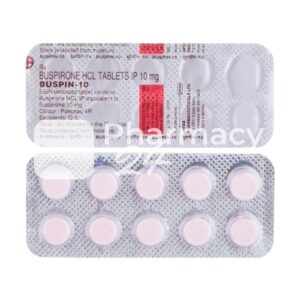
Buspar
from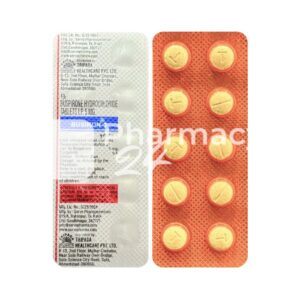
Buspirone
from
Clomipramine
from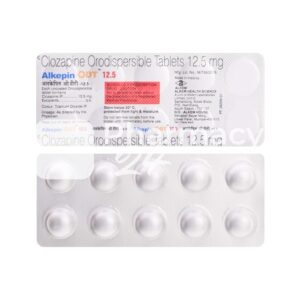
Clozaril
from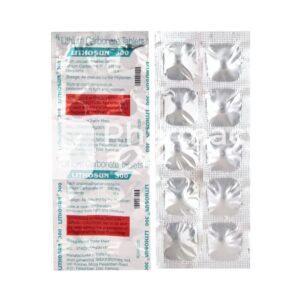
Lithium
from
Olanzapine
from
Stalevo
from
Strattera
from
Topiramate
fromDepression and Low Mood
Depression is a common mental health condition affecting millions across the UK. It causes persistent sadness, loss of interest in activities, and can significantly impact daily functioning. Treatment often combines therapy and medication to help restore emotional balance and improve quality of life.
Available Medications in the UK
Selective Serotonin Reuptake Inhibitors (SSRIs) are the most commonly prescribed antidepressants. These medications work by increasing serotonin levels in the brain, helping to regulate mood and emotional responses. Sertraline is widely used and particularly effective for many patients. Citalopram is another popular choice, especially for older patients who may be sensitive to certain medications. Fluoxetine remains a well-established option for depression and anxiety-related conditions, whilst Paroxetine offers additional benefits for those experiencing panic symptoms alongside depression.
When SSRIs prove ineffective, alternative medications become available. Mirtazapine provides a different mechanism of action and can be particularly helpful for patients with sleep disturbances. Tricyclic antidepressants such as Amitriptyline remain available for specific cases where other treatments haven’t worked. Venlafaxine, a serotonin-noradrenaline reuptake inhibitor, provides an alternative approach for moderate to severe depression.
Treatment Approach
Medication typically works best when combined with talking therapies like cognitive behavioural therapy. Recovery often takes several weeks, with most people experiencing noticeable improvement within two to three months. Regular monitoring by healthcare professionals ensures the treatment remains effective and any side effects are managed appropriately. Your GP will work with you to find the right medication and dosage for your individual needs.
Anxiety Disorders
Anxiety disorders encompass generalised anxiety disorder, panic disorder, social anxiety, and specific phobias. These conditions cause excessive worry, physical symptoms like trembling and rapid heartbeat, and can severely restrict daily activities. Effective treatment reduces anxiety symptoms and helps people regain confidence in social and professional situations.
Common UK Medications
Benzodiazepines such as Diazepam provide short-term relief during acute anxiety episodes. Lorazepam offers rapid symptom control for panic attacks and acute distress. However, these medications are typically prescribed for short periods due to dependency risks and are not suitable for long-term use.
Long-term anxiety management uses SSRIs such as Sertraline and Paroxetine, which effectively reduce baseline anxiety levels without dependency concerns. Pregabalin is specifically licensed for generalised anxiety disorder and helps prevent anxious thoughts from escalating. Buspirone provides an alternative with lower dependency potential than benzodiazepines, making it suitable for longer-term treatment.
Management Strategy
Effective anxiety management combines medication with non-pharmacological approaches. Treatment options include:
- Breathing exercises and relaxation techniques to manage physical symptoms
- Mindfulness and meditation practices to reduce worry patterns
- Cognitive behavioural therapy for long-term symptom management
- Regular exercise to improve mood and reduce baseline anxiety
- Reducing caffeine intake to minimise physical anxiety symptoms
- Improved sleep hygiene for better emotional resilience
Your GP can discuss which medication suits your specific symptoms and medical history, ensuring personalised treatment that addresses your anxiety effectively.
Bipolar Disorder and Mood Stabilisation
Bipolar disorder involves alternating episodes of depression and mania, characterised by extreme mood swings that can last weeks or months. During manic phases, individuals experience excessive energy, racing thoughts, and impulsive behaviour. Depressive phases mirror clinical depression with low mood and reduced motivation. Mood-stabilising medications are crucial for managing this complex condition and preventing episode recurrence.
Key Medications Available
Lithium remains the gold standard mood stabiliser in UK psychiatric practice. It requires regular blood tests to ensure therapeutic levels and monitor kidney function, but when properly managed, lithium effectively prevents both manic and depressive episodes. Valproate, an anticonvulsant medication, successfully stabilises mood for many patients, particularly those resistant to lithium treatment.
Lamotrigine shows particular effectiveness for bipolar depression, offering relief during depressive phases. Quetiapine, an atypical antipsychotic, treats acute mania and maintains stability during remission phases. Other options include Olanzapine and Aripiprazole, particularly useful when psychotic features accompany mood episodes. Carbamazepine provides an alternative for patients unable to tolerate other mood stabilisers.
Comprehensive Care
Bipolar management requires ongoing psychiatric support and regular medication reviews to ensure optimal control. Sleep patterns significantly influence mood stability, making sleep hygiene absolutely essential for managing this condition. Many people benefit from combined pharmacological and psychological interventions for optimal control and improved quality of life. Family education and support also play important roles in recognising early warning signs of mood episodes.
Attention Deficit Hyperactivity Disorder (ADHD)
ADHD affects both children and adults, causing difficulties with concentration, impulse control, and organisation. Common symptoms include restlessness, forgetfulness, and trouble maintaining attention during tasks. Treatment significantly improves focus, reduces impulsive behaviour, and enhances academic and occupational performance.
Stimulant Medications
Methylphenidate is the most prescribed ADHD medication in the UK, available as immediate-release and extended-release formulations. Concerta XL provides once-daily dosing suitable for school-age children and working adults, eliminating the need for mid-day doses at school or work. Ritalin offers flexibility for those requiring adjustable dosing throughout the day. Amphetamine-based medications like Dexamfetamine are prescribed when methylphenidate proves ineffective, with these stimulants increasing dopamine and noradrenaline in the brain to improve concentration and impulse control.
Non-Stimulant Alternatives
Atomoxetine provides a non-stimulant option for patients unable to tolerate stimulant medications. Guanfacine helps manage ADHD symptoms through a different mechanism of action than stimulants. These alternatives suit individuals with certain medical conditions or those with substance abuse history who shouldn’t take stimulants.
Treatment Considerations
ADHD management combines medication with behavioural strategies, educational support, and workplace accommodations tailored to individual needs. Regular monitoring tracks medication effectiveness and manages potential side effects. Many patients continue medication into adulthood when symptoms persist, significantly improving functioning across all life domains including work, relationships, and personal organisation.
Schizophrenia and Psychotic Disorders
Schizophrenia causes hallucinations, delusions, disorganised thinking, and social withdrawal that can be profoundly distressing and impair functioning. Antipsychotic medications form the cornerstone of treatment, helping reduce symptoms and prevent relapse. Early intervention significantly improves long-term outcomes and quality of life for individuals affected by these conditions.
Antipsychotic Medications
Typical antipsychotics like Haloperidol have been used for decades, though newer alternatives often provide fewer side effects. Chlorpromazine remains available for specific situations. These older medications effectively reduce positive symptoms but may cause movement-related side effects requiring careful monitoring.
Atypical antipsychotics offer improved tolerability. Risperidone provides effective symptom control with better tolerability compared to older medications. Quetiapine helps manage both positive and negative symptoms. Olanzapine provides potent symptom relief though weight gain requires monitoring. Aripiprazole shows excellent tolerability profiles and maintains metabolic health better than many alternatives. Paliperidone offers extended-release formulations requiring less frequent dosing, improving medication adherence. Clozapine remains the most effective medication for treatment-resistant schizophrenia despite requiring regular blood monitoring.
Holistic Management
Antipsychotic medication success depends on consistent adherence combined with psychosocial support. Family involvement, vocational rehabilitation, and housing support significantly enhance recovery outcomes. Many patients regain independence and employment when receiving comprehensive coordinated care from mental health services.
Obsessive-Compulsive Disorder (OCD)
OCD involves intrusive obsessive thoughts causing significant anxiety and repetitive compulsive behaviours performed to relieve distress. These rituals consume considerable time and interfere with relationships, work, and daily functioning. Treatment reduces the power of obsessions and helps people resist compulsive urges.
Medication Options
SSRIs form the first-line pharmacological treatment for OCD. Fluoxetine requires higher doses than used for depression, often 40-80mg daily. Sertraline similarly requires higher therapeutic doses specifically for OCD management. Paroxetine has proven effectiveness for OCD with good clinical evidence supporting its use. Citalopram provides an alternative SSRI option.
Clomipramine, an older tricyclic antidepressant, remains highly effective when SSRIs fail, particularly for severe OCD. When SSRIs alone prove insufficient, augmentation strategies add second medications to boost effectiveness. Low-dose antipsychotics like Aripiprazole enhance SSRI effectiveness in resistant cases. Other augmentation agents include Buspirone and Inositol.
Therapeutic Integration
Cognitive behavioural therapy, particularly exposure and response prevention techniques, forms essential treatment alongside medication. Psychological techniques help individuals gradually reduce reliance on compulsions and build confidence. Combined approaches produce superior outcomes compared to medication or therapy alone. Regular specialist follow-up ensures treatment optimisation and sustained improvement in OCD symptoms and overall functioning.