
COVID-19
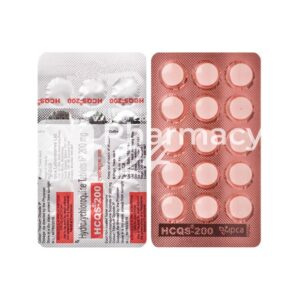
Hydroxychloroquine
from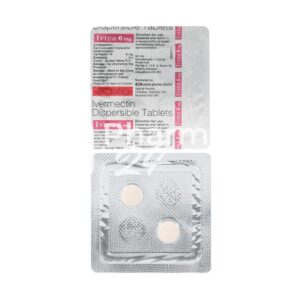
Ivermectin
from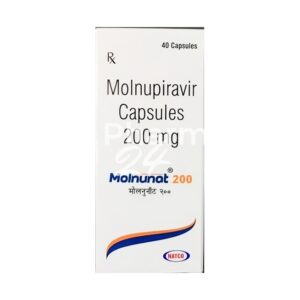
Lagevrio
from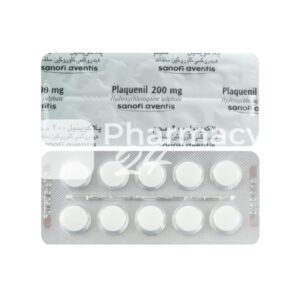
Plaquenil
from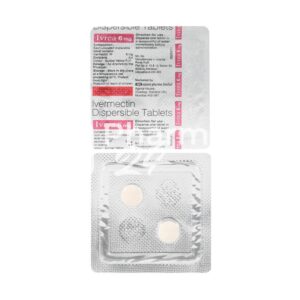
Stromectol
from
Zithromax
fromUnderstanding COVID-19 and Its Symptoms
COVID-19 is a respiratory illness caused by the SARS-CoV-2 virus that emerged in late 2019. The infection spreads through respiratory droplets when an infected person coughs, sneezes, or speaks. Symptoms typically appear 2 to 14 days after exposure to the virus and can range from mild to severe.
Common symptoms include a dry cough, fever, tiredness, and loss of taste or smell. Some people experience difficulty breathing, chest pain, or confusion, which require immediate medical attention. Older adults and individuals with underlying medical conditions face higher risks of severe illness. Many people infected with COVID-19 remain asymptomatic but can still transmit the virus to others. Understanding these symptoms helps with early detection and appropriate management of the condition.
Testing and Diagnosis Options
Testing plays a crucial role in identifying COVID-19 infections early. The UK offers several testing options, each with distinct advantages:
- Lateral flow tests provide rapid results within 15 to 30 minutes and are suitable for quick screening at home or in clinical settings
- PCR tests, considered the gold standard for COVID-19 detection, offer greater accuracy by testing respiratory samples and typically deliver results within 24 to 48 hours
- Antibody tests detect whether someone has had a previous COVID-19 infection by identifying immune response markers in the blood
Many pharmacies across the United Kingdom provide testing services, making it convenient for residents to access diagnostic options. Home testing kits are also available for purchase, allowing individuals to test themselves without visiting a healthcare facility. PCR tests identify the virus’s genetic material with high precision, whilst lateral flow tests offer convenience for rapid screening. Regular testing helps identify infections quickly, enabling timely isolation and reducing transmission rates within communities.
Antiviral Medications Available in the UK
Several antiviral medications are available to treat COVID-19 in the United Kingdom, particularly for those at higher risk of severe illness. Paxlovid (nirmatrelvir with ritonavir) represents one of the most effective treatments, reducing hospitalisation risk by up to 89 percent when taken early in infection. This oral medication works best when started within 5 days of symptom onset.
Molnupiravir is another oral antiviral option available through the NHS for eligible patients. It reduces severe outcomes in those at moderate to high risk, particularly immunocompromised individuals. The medication comes in capsule form and requires a 5-day treatment course.
Lagevrio and other emergency use authorised treatments remain available through specialist pathways for severely ill patients requiring hospitalisation. Healthcare professionals carefully assess each patient to determine the most suitable treatment based on their risk profile, symptoms, and underlying health conditions. These medications must be prescribed by a doctor and obtained through official NHS channels rather than purchased over the counter from pharmacies. Eligible patients should contact their GP immediately upon experiencing symptoms to discuss treatment options.
Supportive Care and Over-the-Counter Options
Managing COVID-19 symptoms at home involves supportive care measures alongside prescribed treatments. Over-the-counter medications available at UK pharmacies can help alleviate common symptoms whilst the body fights the infection. Paracetamol and ibuprofen effectively reduce fever and ease body aches, though individuals should follow recommended dosages carefully.
Pharmacists recommend various over-the-counter products for symptom management:
- Cough syrups containing ingredients like dextromethorphan or guaifenesin provide relief from persistent coughs
- Throat lozenges with menthol or honey soothe throat irritation and discomfort
- Decongestants help clear nasal congestion for easier breathing
- Antihistamines may assist those experiencing allergy-like symptoms
Adequate hydration remains essential during COVID-19 infection, as it helps thin secretions and prevents dehydration. Electrolyte drinks and warm fluids support recovery. Adequate rest allows the immune system to focus energy on fighting the virus effectively. Pharmacists can recommend appropriate over-the-counter products based on individual symptoms and medical history, ensuring safe and effective symptom management at home.
Vaccination and Booster Information
COVID-19 vaccination remains the most effective prevention strategy available in the United Kingdom. The NHS provides free vaccines to all eligible residents, with programmes targeting specific age groups and vulnerable populations. Current vaccines protect against severe illness, hospitalisation, and death, with effectiveness rates exceeding 90 percent against serious outcomes.
The UK vaccination programme includes primary vaccination courses followed by booster doses to maintain immunity levels. Different vaccine types are available, including mRNA vaccines and viral vector vaccines, each offering strong protection. The NHS regularly updates vaccination recommendations based on emerging variants and epidemiological data.
Booster campaigns target vulnerable groups including older adults, immunocompromised individuals, and those with chronic health conditions. Annual boosters may be recommended for highest-risk populations to maintain optimal protection levels. Pharmacies throughout the UK administer vaccines as part of the expanded immunisation programme, making vaccination conveniently accessible. Healthcare professionals monitor vaccine safety continuously, with adverse events being rare and typically mild. Vaccination status information appears on the NHS app for convenient proof of immunisation when needed.
Long COVID and Ongoing Support Services
Long COVID, also called post-COVID syndrome, affects some individuals who continue experiencing symptoms weeks or months after the acute infection resolves. Common persistent symptoms include fatigue, breathing difficulties, brain fog, and joint pain. These symptoms can significantly impact quality of life and ability to work or engage in daily activities.
The UK healthcare system provides specialised long COVID clinics offering assessment and support through the NHS. Multidisciplinary teams including respiratory specialists, rehabilitation therapists, and mental health professionals develop personalised treatment plans. Rehabilitation services help patients gradually rebuild fitness and manage debilitating fatigue through structured exercise programmes.
Support services available to long COVID patients include cognitive behavioural therapy for those experiencing mental health impacts alongside physical symptoms, workplace adjustments and occupational health assessments to assist people returning to work, and online resources and patient support groups that connect individuals experiencing long COVID with others facing similar challenges. Healthcare providers monitor emerging research into long COVID causes and treatments, with new therapeutic approaches continuously being evaluated. Early recognition and appropriate management of long COVID symptoms can significantly improve patient outcomes and recovery trajectories. Your pharmacy can provide referral information to local long COVID support services and clinics available in your area.