
Cardiovascular Diseases
High Blood Pressure (Hypertension)
High blood pressure occurs when the force of blood against artery walls is too high, increasing the risk of heart disease and stroke. This condition often has no symptoms, making regular monitoring essential for early detection and management.
What It Is Used For
Antihypertensive medications help lower blood pressure to prevent serious complications including heart attacks, strokes, and kidney disease. Treatment aims to reduce the workload on the heart and protect blood vessels from damage.
Available Medications in the UK
Common blood pressure medications include several different classes of drugs that work through various mechanisms:
- ACE inhibitors like lisinopril and enalapril, which relax blood vessels and improve blood flow
- Angiotensin II receptor blockers (ARBs) such as losartan and valsartan that work similarly to ACE inhibitors
- Beta-blockers including atenolol and bisoprolol, which reduce heart rate and blood pressure by decreasing the heart’s workload
- Calcium channel blockers like amlodipine and diltiazem that relax blood vessel muscles
- Diuretics such as furosemide and hydrochlorothiazide, which help remove excess sodium and water from the body
Additional Information
Lifestyle changes complement medication, including reducing salt intake, maintaining healthy weight, regular exercise, and limiting alcohol consumption. Many patients require combination therapy using two or more medications for optimal control. Regular blood pressure monitoring at home can help track treatment effectiveness and guide medication adjustments.
Angina and Chest Pain
Angina occurs when the heart doesn’t receive enough oxygen-rich blood, causing chest discomfort or pressure. This condition warns of underlying coronary artery disease and requires prompt medical evaluation and appropriate treatment.
What It Is Used For
Antianginal medications relieve chest pain episodes and improve blood flow to the heart muscle. These treatments reduce symptoms, improve exercise tolerance, and prevent future heart attacks by stabilising the condition and protecting the heart from excessive stress.
Available Medications in the UK
Several medication types effectively manage angina symptoms and improve cardiovascular function:
- Nitrates like isosorbide mononitrate and glyceryl trinitrate, which provide rapid relief during angina attacks by dilating blood vessels
- Beta-blockers such as metoprolol and propranolol that reduce heart workload and oxygen demand
- Calcium channel blockers including diltiazem and verapamil that relax coronary arteries and reduce heart rate
- Ranolazine, a newer antianginal agent that improves heart muscle function
- Aspirin, which helps prevent blood clots and reduces heart attack risk in angina patients
Additional Information
Patients should carry fast-acting nitrates at all times for emergency relief. Distinguishing between stable angina (predictable chest pain with exertion) and unstable angina (unpredictable or worsening symptoms) is crucial, as unstable angina requires immediate medical attention. Regular review with healthcare providers ensures medication effectiveness and adjustments when necessary.
Heart Failure
Heart failure develops when the heart cannot pump enough blood to meet the body’s needs. This condition can result from various causes including high blood pressure, coronary artery disease, or previous heart attacks, leading to fluid accumulation and reduced physical activity tolerance.
What It Is Used For
Heart failure medications improve cardiac function, reduce symptoms like shortness of breath and fatigue, and slow disease progression. Treatments help the heart pump more efficiently, reduce fluid buildup, decrease workload on the heart, and improve survival rates when used appropriately.
Available Medications in the UK
Modern heart failure management utilises several medication classes working together for optimal outcomes:
- ACE inhibitors including ramipril and perindopril, which are standard first-line treatments that improve heart function and survival
- Beta-blockers such as carvedilol and bisoprolol that reduce heart rate and workload
- Diuretics like furosemide and spironolactone that help remove excess fluid and reduce congestion
- ARBs including candesartan and valsartan, which provide benefits similar to ACE inhibitors
- SGLT2 inhibitors such as dapagliflozin, representing newer treatments improving outcomes significantly
- Sacubitril/valsartan, which combines two active ingredients for enhanced heart protection
Additional Information
Heart failure management requires regular monitoring of weight changes, fluid restriction, and sodium limitation. Patients benefit from cardiac rehabilitation programmes offering education and supervised exercise. Implantable devices like pacemakers or defibrillators may be recommended for severe cases. Medication combinations are typically necessary for optimal disease management and symptom control.
Arrhythmias (Irregular Heartbeat)
Arrhythmias occur when the heart beats irregularly, too fast, or too slowly, disrupting normal blood circulation. These conditions range from benign to life-threatening and require proper diagnosis to determine appropriate treatment strategies and monitoring requirements.
What It Is Used For
Antiarrhythmic medications restore normal heart rhythm, prevent dangerous rhythm disturbances, reduce symptoms like palpitations and dizziness, and lower stroke risk in certain arrhythmias. Treatment aims to maintain a stable, efficient heart rhythm supporting adequate blood circulation throughout the body.
Available Medications in the UK
Various medication options effectively manage different types of arrhythmias:
- Beta-blockers including atenolol and metoprolol that slow heart rate and prevent arrhythmia episodes
- Calcium channel blockers such as verapamil and diltiazem that control heart rate effectively
- Antiarrhythmic drugs like flecainide and propafenone working directly on heart electrical activity
- Amiodarone, a powerful antiarrhythmic for serious rhythm disturbances
- Digoxin, which helps control heart rate in certain arrhythmias
- Anticoagulants like warfarin or apixaban that prevent blood clots and stroke in atrial fibrillation
Additional Information
Some arrhythmias require specialist intervention beyond medication, including cardioversion or catheter ablation procedures. Regular heart monitoring through electrocardiograms (ECGs) and sometimes ambulatory monitoring helps assess treatment effectiveness. Patients should avoid stimulants like caffeine and alcohol, which can trigger arrhythmias. Emergency medical attention is necessary for severe symptoms including chest pain, severe shortness of breath, or loss of consciousness.
High Cholesterol
High cholesterol contributes to plaque buildup in arteries, increasing heart disease and stroke risk. This condition often develops without symptoms, making regular screening important for identifying elevated levels and implementing appropriate management strategies early.
What It Is Used For
Cholesterol-lowering medications reduce blood cholesterol levels, slow plaque formation, and significantly decrease cardiovascular event risk. These treatments help stabilise existing plaques, improve blood vessel function, and reduce inflammation in the cardiovascular system, protecting overall heart health.
Available Medications in the UK
Comprehensive cholesterol management involves multiple medication options:
- Statins including atorvastatin, simvastatin, and rosuvastatin, which are primary treatments reducing cholesterol production in the liver
- Ezetimibe, which blocks cholesterol absorption in the intestines and is often combined with statins
- PCSK9 inhibitors like evolocumab and alirocumab, representing newer treatments for difficult-to-treat high cholesterol
- Bempedoic acid, offering an alternative mechanism for cholesterol reduction
- Fibrates including fenofibrate, which help particularly with triglyceride levels
- Nicotinic acid, which raises beneficial HDL cholesterol whilst lowering harmful LDL cholesterol
Additional Information
Dietary changes including reduced saturated fat intake, increased fibre consumption, and weight management complement medication therapy effectively. Regular cholesterol screening determines if treatment goals are achieved. Different statins work at varying intensities, allowing customised therapy based on individual risk factors. Combination therapy using multiple agents may be necessary for optimal cholesterol control in high-risk patients.
Atherosclerosis and Coronary Artery Disease
Atherosclerosis involves plaque accumulation narrowing arteries and restricting blood flow throughout the body. Coronary artery disease specifically affects heart arteries, causing angina, heart attacks, and potentially sudden cardiac death if left untreated.
What It Is Used For
Medications prevent plaque progression, improve blood flow, reduce clot formation, and lower heart attack and stroke risk. Treatments stabilise existing disease, reduce inflammation in vessel walls, and improve overall cardiovascular outcomes through multiple protective mechanisms working together.
Available Medications in the UK
Comprehensive treatment protocols utilise several medication categories:
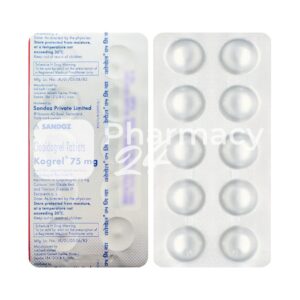
- Antiplatelet agents including aspirin and clopidogrel that prevent blood clots
- Statins that lower cholesterol and reduce plaque development
- Beta-blockers that protect heart function and reduce oxygen demand
- ACE inhibitors that improve blood vessel function and reduce heart attack risk
- Nitrates that improve blood flow to the heart muscle
- Anticoagulants like heparin and warfarin that prevent dangerous clot formation
- Newer antiplatelet agents such as prasugrel, providing enhanced clot prevention in acute coronary syndromes
Additional Information
Comprehensive management includes medication combined with lifestyle modifications, cardiac rehabilitation, and regular medical monitoring. Diagnostic testing including stress tests and cardiac catheterisation helps assess disease severity. Risk factor management including blood pressure and cholesterol control, smoking cessation, and regular exercise significantly improves long-term outcomes. Patients should maintain medication compliance and attend regular follow-up appointments for optimal disease management and prevention of serious cardiovascular events.