
Antiviral
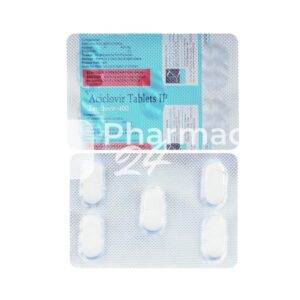
Aciclovir
from
Hydroxychloroquine
from
Ivermectin
from
Plaquenil
from
Symmetrel
fromUnderstanding Antiviral Medications
Antiviral medications are prescription and over-the-counter medicines designed to fight viral infections by preventing viruses from multiplying in the body. Unlike antibiotics that treat bacterial infections, antivirals work by interfering with the virus’s ability to replicate and spread to healthy cells. These medications can reduce the severity of symptoms, shorten the duration of illness, and in some cases, prevent serious complications. Antivirals are essential tools in modern medicine, helping patients recover faster and reducing the burden on the NHS. They work best when started early in an infection, which is why prompt diagnosis is crucial for effective treatment.
Common Viral Infections Treated with Antivirals
Influenza (Flu)
Flu is a contagious respiratory illness caused by influenza viruses. Antiviral medications like oseltamivir (Tamiflu) and zanamivir (Relenza) are commonly prescribed in the United Kingdom to reduce flu symptoms and prevent complications, particularly in vulnerable populations including elderly patients, young children, and those with chronic health conditions.
Cold Sores and Genital Herpes
Herpes simplex virus infections cause painful blisters and sores. Aciclovir is the most widely available antiviral in UK pharmacies for treating both cold sores and genital herpes. This medication helps reduce pain, accelerate healing, and prevent recurrent outbreaks when taken regularly as suppressive therapy.
Chickenpox and Shingles
Varicella-zoster virus causes both chickenpox in children and shingles in adults. Aciclovir and valaciclovir are standard treatments prescribed to reduce the severity of rashes, alleviate pain, and prevent post-herpetic neuralgia complications, especially in older patients.
COVID-19
Since 2020, antiviral treatments for COVID-19 have become increasingly available in the UK. Medications such as nirmatrelvir with ritonavir (Paxlovid) and molnupiravir are prescribed for patients at high risk of severe illness to reduce hospitalisation rates.
Popular Antiviral Medications Available in the United Kingdom
Aciclovir
Aciclovir is one of the most prescribed antivirals in UK pharmacies, available in tablet, cream, and intravenous forms. It treats herpes simplex and varicella-zoster infections effectively. The typical dose for cold sores is 200mg five times daily for five days, whilst for genital herpes, treatment may vary depending on whether it’s a first episode or recurrence.
Oseltamivir (Tamiflu)
Tamiflu is an oral antiviral specifically designed for influenza treatment and prevention. It’s prescribed during flu season to reduce symptoms by approximately one day and prevent serious complications. The standard adult dose is 75mg twice daily for five days.
Valaciclovir
Valaciclovir is a prodrug of aciclovir with better bioavailability, meaning higher concentrations reach the bloodstream. Available on NHS prescription, it’s used for herpes simplex and varicella-zoster infections. Many patients prefer valaciclovir due to less frequent dosing requirements compared to standard aciclovir.
Zanamivir (Relenza)
Relenza is an inhaled powder antiviral for influenza treatment. It works by preventing the flu virus from spreading to uninfected cells. Zanamivir is particularly useful for patients who cannot take oseltamivir or prefer inhalation delivery over tablets.
Paxlovid (Nirmatrelvir with Ritonavir)
Paxlovid is a newer COVID-19 antiviral approved for use in the United Kingdom. It’s reserved for patients aged 18 and over who are at highest risk of severe COVID-19. Treatment involves taking tablets five times daily for five days, ideally within five days of symptom onset.
How to Use Antivirals Effectively
Timing Is Critical
The most important factor in antiviral effectiveness is starting treatment as early as possible after symptom onset. For influenza, starting within 48 hours significantly improves outcomes. For herpes infections, early treatment reduces the duration and severity of symptoms. Patients should contact their GP or pharmacist immediately upon noticing symptoms.
Following Prescribed Dosages
Always take antivirals exactly as prescribed by your healthcare provider or as directed on the packaging. Missing doses or stopping treatment early can reduce effectiveness and potentially allow the virus to develop resistance. Set reminders on your phone or use a pill organiser to maintain consistency.
Drug Interactions
Some antivirals interact with other medications. Inform your pharmacist about all medicines, supplements, and herbal products you’re taking. Certain antivirals shouldn’t be combined with specific treatments, and dosage adjustments may be necessary for patients with kidney or liver conditions.
Storage and Shelf Life
Store antivirals in a cool, dry place away from direct sunlight, typically below 25°C. Check expiry dates regularly and never use expired medications. Keep antivirals out of reach of children and pets.
Prevention and When to See a Doctor
Antiviral Prevention
Some antivirals are used preventatively, particularly for patients at high risk. During flu season, vulnerable individuals might receive oseltamivir prophylactically. Similarly, patients with frequent herpes recurrences can take aciclovir or valaciclovir daily to prevent outbreaks.
Seeking Medical Advice
Contact your GP if you experience symptoms of viral infection, particularly if you belong to a high-risk group including pregnant women, elderly patients, or those with weakened immune systems. Seek urgent medical attention if you develop severe breathing difficulties, persistent chest pain, or confusion during illness.
When Over-the-Counter Treatments Aren’t Enough
Whilst some antiviral creams for cold sores are available without prescription, systemic infections require prescription antivirals. Your pharmacist can advise whether your symptoms warrant a GP appointment or if over-the-counter options might help.
Side Effects and Safety Information
Common Side Effects
Most antivirals are well tolerated, but common side effects include headaches, nausea, diarrhoea, and dizziness. These effects are typically mild and resolve as treatment continues. Aciclovir occasionally causes headache or fatigue, whilst oseltamivir may cause mild gastrointestinal upset.
Serious Side Effects
Rarely, antivirals can cause serious reactions including kidney problems, neurological symptoms, or severe allergic reactions. Seek immediate medical attention if you experience difficulty breathing, unusual bruising, severe headache, or confusion whilst taking antivirals.
Important Safety Considerations
When using antiviral medications, it’s essential to follow guidance from healthcare professionals. Consider the following important points:
- Inform your GP or pharmacist if you’re pregnant or breastfeeding, as some antivirals are safer during pregnancy than others. Aciclovir is generally considered safe, whilst other antivirals require careful consideration
- Declare any known allergies to antiviral medications to healthcare providers to avoid adverse reactions
- Inform your healthcare team about all existing medical conditions, as certain conditions may contraindicate specific antivirals, requiring alternative treatments or dosage modifications
- Monitor yourself for unusual symptoms whilst taking antivirals and report any concerns to your pharmacist or GP
- Never share antiviral medications with other people, even if they have similar symptoms
Antiviral medications represent an important part of modern healthcare in the United Kingdom, offering effective treatment options for various viral infections. Whether you’re dealing with seasonal flu, herpes outbreaks, or post-COVID recovery, UK pharmacies stock a comprehensive range of antivirals to meet diverse patient needs. Always consult with your pharmacist or GP for personalised advice about which antiviral medication is right for your situation, ensuring you receive the most effective and safe treatment possible.