
Alcoholism

Acamprosate
from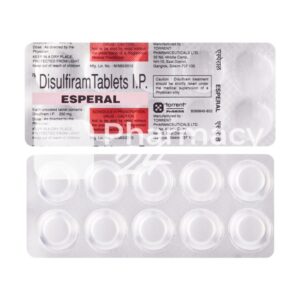
Antabuse
from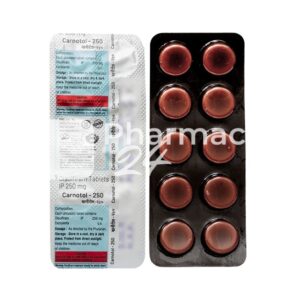
Disulfiram
from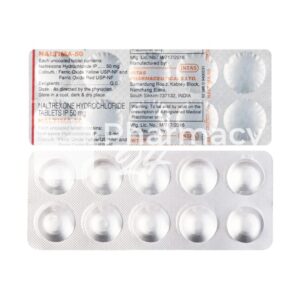
Naltrexone
from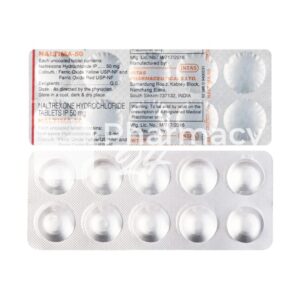
Revia
from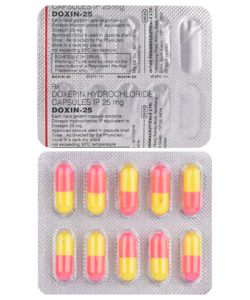
Sinequan
fromUnderstanding Alcoholism and Alcohol Dependence
Alcoholism, medically referred to as alcohol use disorder (AUD), is a chronic condition characterised by an inability to control alcohol consumption despite negative consequences. It affects millions of individuals across the United Kingdom and impacts not only the person struggling with the condition but also their families, workplaces, and communities.
Alcohol dependence develops when the body becomes accustomed to regular alcohol consumption, leading to physical and psychological dependence. This means that individuals may experience withdrawal symptoms when they attempt to reduce or stop drinking. These symptoms can range from mild anxiety and tremors to severe complications such as seizures and delirium tremens.
The development of alcoholism is influenced by various factors including genetic predisposition, environmental stressors, mental health conditions, and social circumstances. Understanding these underlying causes is essential for effective treatment and long-term recovery.
Symptoms and Health Complications of Alcoholism
Recognising the signs of alcoholism is crucial for early intervention and treatment. Common symptoms include regularly consuming more alcohol than intended, unsuccessful attempts to cut down on drinking, and continuing to drink despite knowing it causes problems in relationships or work.
Physical health complications associated with long-term alcohol abuse include liver disease, heart problems, brain damage, and weakened immune system function. Pancreatic inflammation, increased blood pressure, and elevated cholesterol levels are also common concerns for individuals with alcoholism.
Mental health issues frequently co-occur with alcohol dependence, including depression, anxiety, and sleep disorders. Some individuals may also experience cognitive impairment and memory loss as a result of prolonged alcohol abuse.
Medications Available in the United Kingdom for Alcohol Dependence
Several medications are available on the UK market to help individuals manage alcohol dependence and reduce cravings. These pharmaceutical treatments work through different mechanisms to support recovery and prevent relapse.
Acamprosate
Acamprosate (marketed as Campral) is one of the most commonly prescribed medications in the United Kingdom. It works by restoring the balance of neurotransmitters in the brain that have been disrupted by long-term alcohol use. Acamprosate is particularly effective at reducing psychological cravings and is typically taken three times daily.
Naltrexone
Naltrexone is another medication available to UK patients. It works by blocking the effects of alcohol on the brain’s reward system, thereby reducing the pleasurable sensation associated with drinking. This medication can be administered either orally or as a monthly injection, depending on the patient’s preference and medical circumstances.
Disulfiram
Disulfiram (Antabuse) has been used in the United Kingdom for many years. It creates an unpleasant reaction when combined with alcohol, including flushing, nausea, and chest pain. This medication acts as a deterrent and requires strong motivation and compliance from the patient.
Nalmefene
Nalmefene is a newer option that has become increasingly available in the UK. It reduces alcohol cravings and is particularly useful for patients who are not yet ready to commit to complete abstinence. This medication is taken on an as-needed basis.
Treatment Approaches and Support Systems
Comprehensive alcoholism treatment in the United Kingdom typically combines medication with psychological and behavioural interventions. The National Health Service (NHS) provides access to specialist alcohol services, with treatment tailored to individual needs and circumstances.
Cognitive behavioural therapy (CBT) is widely used to help individuals identify triggers for drinking and develop coping strategies. This evidence-based approach has proven highly effective in treating alcohol dependence and preventing relapse.
Group therapy and support groups, such as Alcoholics Anonymous (AA), provide valuable peer support and community. Many individuals find that sharing experiences with others who understand the challenges of alcohol dependence significantly enhances their recovery journey.
Residential rehabilitation programmes are available for those who require intensive support and structured environments. These programmes typically last between 28 and 90 days and provide comprehensive treatment including medical detoxification, counselling, and life skills development.
Family therapy is also important, as it helps repair relationships damaged by alcoholism and educates family members about supporting recovery. Involvement of loved ones has been shown to improve treatment outcomes significantly.
Prevention, Lifestyle Changes, and Recovery Management
Successful recovery from alcoholism requires sustained commitment to lifestyle changes and ongoing support. The UK healthcare system emphasises the importance of addressing both the physical and psychological aspects of alcohol dependence.
Individuals in recovery should establish healthy routines including regular exercise, balanced nutrition, and adequate sleep. These lifestyle modifications improve overall health and reduce the likelihood of relapse by managing stress and improving mood naturally.
Avoiding triggers and high-risk situations is essential in early recovery. Many individuals benefit from changing their social circles, avoiding certain venues or friends associated with drinking, and developing new hobbies and interests that do not involve alcohol.
Regular medical follow-up appointments are important to monitor progress and adjust treatment as needed. Blood tests may be recommended to assess liver function and overall health status. Continuing medical supervision helps identify and treat any complications that may arise.
Support Resources and Getting Help in the UK
The United Kingdom provides comprehensive resources for individuals struggling with alcoholism and their families. The NHS website offers information about local alcohol services, and individuals can access treatment through their general practitioner.
Several organisations provide valuable support and resources across the country:
- Alcoholics Anonymous – operates numerous meetings throughout the UK and provides peer support networks
- SMART Recovery – offers evidence-based self-empowerment recovery techniques
- Drink Aware – provides education, information, and support resources
- Al-Anon and Nar-Anon – offer guidance for family members affected by someone else’s alcohol use
- NHS Specialist Alcohol Services – accessible through your general practitioner for tailored treatment programmes
For those seeking private treatment, numerous alcohol rehabilitation centres across the UK offer specialised programmes with varying levels of intensity and duration. These facilities often provide comfortable environments conducive to recovery and may offer additional therapies such as holistic treatments and nutritional support.
Workplace assistance programmes (EAPs) are available through many UK employers and provide confidential counselling and support. These programmes can be an effective first step for individuals seeking help whilst maintaining employment. Family members can also access support through dedicated organisations that help those affected by someone else’s alcohol use disorder.