Orlistat
In brief
- Orlistat can be purchased from pharmacies, online pharmacies, and some e-shops; in many places the 60 mg capsule (Alli or generic orlistat) is available without a prescription, whilst the 120 mg capsule (Xenical) is usually prescription-only. In some markets, including parts of the UK and online pharmacies, it may be sold without a prescription.
- Orlistat is used for weight loss and weight maintenance in adults as part of a reduced-calorie, low-fat diet and exercise programme. It works by inhibiting gastrointestinal lipases in the gut, so the body absorbs less fat from food.
- The usual dose is 120 mg three times daily with main meals for prescription treatment, or 60 mg three times daily with main meals for the OTC version. If a meal is skipped or contains no fat, the dose should be skipped.
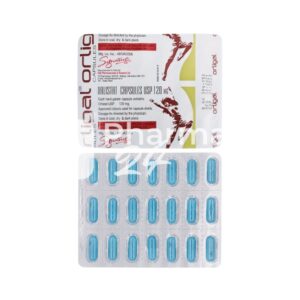
- The form of administration is a hard gelatin capsule taken orally.
- Orlistat starts working after the first dose by blocking fat absorption in the intestine, although visible weight-loss results usually develop over days to weeks rather than immediately.
- The duration of action covers the period after each meal, with fat-blocking effects lasting through the digestive process; it is commonly used long term as part of a weight-management plan.
- Alcohol does not have a specific direct interaction with orlistat, but drinking alcohol can undermine weight-loss efforts and may worsen diet-related side effects, so moderation is advisable.
- The most common side effects are oily spotting, flatulence, urgent or frequent bowel movements, fatty or oily stools, diarrhoea, abdominal discomfort, and abdominal cramping.
- Would you like to try orlistat without a prescription?
Latest Research Highlights In The UK And EU
- INN (International Nonproprietary Name): Orlistat
- Brand names available in United Kingdom: Alli, Xenical, and generic orlistat
- ATC Code: A08AB01
- Forms & dosages: Capsules, 60 mg and 120 mg
- Manufacturers in United Kingdom: Roche, GlaxoSmithKline, and generic suppliers
- Registration status in United Kingdom: EMA approved; available through prescription and OTC channels depending on strength
- OTC / Rx classification: 60 mg OTC in many regions; 120 mg Rx-only in most jurisdictions
What does the newer UK and EU evidence still show about orlistat?
Across 2022 to 2025, the message has stayed broadly consistent.
Orlistat offers a modest but clinically useful reduction in weight when it is used with a reduced-calorie, lower-fat diet and behaviour change support.
It works locally in the gut by reducing fat absorption, rather than acting systemically like an appetite medicine.
That matters in practice because many patients prefer a non-systemic option, especially when they want something oral and familiar.
Recent guideline updates and real-world obesity pathways in the UK and EU still place orlistat as a reasonable option when lifestyle support alone has not been enough.
It is especially relevant in primary care and community pharmacy, where affordability, screening, and follow-up are important.
Private weight-management settings also use it, often as a lower-cost alternative before stepping up to newer agents.
| Outcome | What Studies And Practice Show | Practical Meaning |
|---|---|---|
| Average weight reduction | Modest loss when combined with diet and activity | Useful for steady progress, not rapid change |
| Gastrointestinal adverse effects | Oily spotting, urgent stools, fatty stool, flatulence | Usually the main reason people stop early |
| Discontinuation reasons | Side effects, frustration with slower results, low adherence | Needs counselling and realistic expectations |
| Adherence challenges | High-fat meals worsen symptoms and reduce tolerability | Diet quality is part of the treatment |
Mini data highlight: orlistat is classified as a peripherally acting anti-obesity medicine, ATC A08AB01, and the approved capsule strengths used in the UK and EU are 60 mg and 120 mg.
In UK practice, the MHRA and EMA status, plus the balance between OTC and prescription supply, still shape how this medicine is used day to day.
Basic Orlistat Information
- INN (International Nonproprietary Name): Orlistat
- Brand names available in United Kingdom: Alli, Xenical, generic orlistat
- ATC Code: A08AB01
- Forms & dosages: Capsules, 60 mg and 120 mg
- Manufacturers in United Kingdom: Roche, GlaxoSmithKline, generic suppliers
- Registration status in United Kingdom: EMA approved, with UK availability via prescription and pharmacy channels
- OTC / Rx classification: 60 mg OTC in many regions; 120 mg Rx-only in most jurisdictions
Clinical Effectiveness In The NHS Context
People often ask whether orlistat is actually worth taking if it is not one of the newer injections.
In NHS-style weight-management pathways, it is usually used alongside diet, physical activity, and behaviour change support rather than as a stand-alone fix.
That combination is where it earns its place.
Expect gradual weight loss, not a dramatic transformation in a few weeks.
Results vary because dietary fat intake strongly affects tolerability, and adherence is often the biggest hurdle.
- 120 mg three times daily with meals is the usual prescription strength for obesity treatment.
- 60 mg three times daily is the lower OTC option used in pharmacy settings.
- Pharmacist-led counselling can help with meal planning, side-effect management, and dose timing.
- GP review is helpful when weight loss is slow, medicines need checking, or longer-term support is needed.
Patients commonly say they stop early because of bowel effects or because they compare their progress with GLP-1 medicines and feel disappointed.
NHS patient portals can reinforce the basics between appointments, especially around diet, activity, and realistic targets.
Indications, Approval And Off-Label Use
What is orlistat officially for, and when is it outside routine use?
- Approved use
- Weight loss and weight maintenance in adults with obesity or overweight, when used with a reduced-calorie diet.
- Off-label use
- Use outside the approved indication or age range, which is limited in routine NHS care.
- OTC
- Over-the-counter supply, usually the 60 mg strength in many settings.
- Rx-only
- Prescription-only supply, usually the 120 mg strength.
Orlistat is EMA approved and also approved by the US FDA, with both prescription and OTC availability depending on strength and market.
In the UK, 120 mg capsules are typically prescription-only, while 60 mg capsules are commonly sold over the counter.
It is not recommended for children under 12 years, and it is not a first-line standalone solution.
Some private clinics still use it as a practical step before more expensive agents, especially when patients want an oral option and a lower entry cost.
Composition, Brand Names And UK Brand Landscape
What is inside the capsule, and why do people see different names online?
The active ingredient is orlistat, and the same medicine may appear as a brand product or a generic version.
In UK pharmacy language, Xenical and Alli are the best-known brand names, while generic orlistat is also widely seen online.
| Brand | Strength | Typical Route |
|---|---|---|
| Alli | 60 mg | Oral capsule |
| Xenical | 120 mg | Oral capsule |
| Generic orlistat | 60 mg or 120 mg | Oral capsule |
Capsules are usually hard gelatin capsules, and pack sizes commonly include 21, 42, 84, and 90 capsules depending on the market.
Roche is linked with Xenical, while GlaxoSmithKline is linked with Alli, and many generic suppliers also provide branded or unbranded versions.
Contraindications, Precautions And Daily-Life Considerations
Which patients should avoid orlistat, and what day-to-day issues matter?
- Chronic malabsorption syndromes, including cholestasis.
- Hypersensitivity to orlistat or any excipient.
- Pregnancy.
- Children under 12 years.
| Situation | Why It Matters | Practical Advice |
|---|---|---|
| Oxalate kidney stones | Risk may increase | Use caution and seek review if there is a history of stones |
| Diabetes | Medication needs may change as weight falls | Monitor blood glucose and treatment |
| Thyroid disease | Hypothyroidism may need checking | Follow up if symptoms change |
| Ciclosporin use | Efficacy may be reduced | Monitor ciclosporin levels |
Because orlistat is minimally absorbed systemically, it usually does not affect driving.
The bigger issue is practical planning for urgent bowel symptoms during work, commuting, or travel.
Alcohol is not a direct interaction, but it can still work against weight-control goals.
Dosage Guidelines And How To Take It Properly
People often wonder whether they should take it every time they eat.
The answer is simple: only with meals that contain fat.
- Take 120 mg three times daily with main meals if you have a prescription.
- Take 60 mg three times daily with main meals if you are using the OTC product.
- Skip the dose if you miss a meal or if the meal contains no fat.
- Do not double up later in the day.
- Keep the diet moderately low in fat to reduce oily stools and urgency.
Adults usually follow the standard regimen without routine adjustment for older age.
Caution is needed in hepatic and renal impairment, and children under 12 should not use it.
Treatment is generally long-term, provided there is clinically meaningful weight loss and the plan is still helping.
If a dose is missed, the best approach is simply to move on to the next meal.
Overdose has not been linked to severe toxicity, so supportive care is usually enough.
Interactions With Medicines, Food And Drinks
What matters most with orlistat is not just medicines, but meals.
High-fat meals make gastrointestinal side effects much more likely, so diet composition is a real part of the interaction profile.
| Medicine | Issue | Action |
|---|---|---|
| Ciclosporin | Reduced efficacy may occur | Monitor levels carefully |
| Anticoagulants | Weight change may affect control | Check if monitoring is needed |
| Thyroid medicines | Thyroid status may need review | Follow symptoms and test where appropriate |
| Diabetes medicines | Requirements may fall as weight changes | Adjust with clinical advice |
Orlistat acts in the gut and is not significantly systemically absorbed, which explains why many classic blood-level interactions are limited.
Suspected adverse reactions should be reported through the MHRA Yellow Card scheme.
Cultural Perceptions And Patient Habits In The UK
Why do some people love orlistat while others give up after a week?
A lot comes down to expectation, privacy, and how the medicine is discussed in real life.
- People on Patient.info and Mumsnet often talk about embarrassment around oily stools.
- Many ask whether the medicine is “worth it” if the weight loss is slow.
- Some compare it with newer injections and feel it looks old-fashioned.
- Community pharmacists are often the first place patients go for discreet reassurance.
“It’s a lot easier to stick with when someone explains the bowel effects before the first dose.”
That is exactly why pharmacy counselling matters.
Orlistat is taken as capsules with meals, works locally in the gut, and tends to suit people who want a familiar, affordable approach.
For some patients, that balance is enough to keep them going.
Availability, Pricing And Access Across The United Kingdom
Can you get orlistat easily in the UK, and does access differ by nation?
Yes, access does vary between England, Scotland, Wales, and Northern Ireland, particularly between NHS prescription routes and private or OTC purchase.
Boots, LloydsPharmacy, and Superdrug are familiar high-street routes, while online pharmacies and e-prescription fulfilment have made access quicker for many adults.
In our online pharmacy, orlistat is available without a prescription, with discreet delivery to the United Kingdom in 5-14 days.
| Route | Typical Strength | Access Notes |
|---|---|---|
| NHS prescription | Usually 120 mg | Charges vary by UK nation and exemption status |
| Private purchase | 60 mg or 120 mg | Useful when a faster or discreet route is preferred |
| OTC pharmacy sale | Usually 60 mg | Screening by a pharmacist is expected |
Pack sizes commonly seen include 21, 42, 84, and 90 capsules.
Regional inequalities still matter, so access is not identical everywhere.
Comparable Medicines And Patient Preferences
How does orlistat compare with other weight-loss medicines that UK patients ask about?
| Medicine | Route | UK Context |
|---|---|---|
| Liraglutide (Saxenda) | Injection | Rx medicine, used in selected patients |
| Semaglutide (Wegovy / Ozempic) | Injection | Rx medicine, often linked with stronger weight loss |
| Phentermine | Oral | Used in select markets, not a common UK option |
| Bupropion / Naltrexone | Oral | Rx combination medicine |
Orlistat is peripherally acting, with ATC code A08AB01, and that helps explain why some patients prefer it over systemic options.
Its strengths are clear.
It is an oral capsule, often lower cost, and it avoids injections.
Its drawbacks are also clear.
Bowel side effects are common, and weight loss is usually smaller than with GLP-1 medicines.
- Pros: oral, non-systemic, familiar, often cheaper.
- Cons: greasy stools, urgency, flatter weight-loss effect.
Frequently Asked Questions
Can I buy orlistat online in the UK?Yes, depending on the product and screening process, it can be bought through licensed online pharmacies.
Does orlistat work without dieting?Not well. It works best with a reduced-calorie, lower-fat diet.
What are the most common side effects?Oily spotting, urgent bowel movements, fatty stools, flatulence, and abdominal discomfort are common.
Is Xenical the same as orlistat?Xenical contains orlistat. Alli 60 mg and Xenical 120 mg are both orlistat products.
UK Pharmacist Counselling And Proper Use Guidance
If you are starting orlistat, the main things to remember are simple and practical.
Take it with meals, keep the diet lower in fat, and do not panic if you miss a dose with a fat-free meal.
Hydration helps, and a non-judgemental approach to stool-related side effects makes a real difference to adherence.
- Take the capsule with your main meals.
- Skip the dose if the meal contains no fat.
- Reduce fatty foods to minimise urgency and oily leakage.
- Review progress after a few weeks with a pharmacist or GP.
- Use patient portals and NHS-style advice to stay on track between reviews.
Long-term use is appropriate when weight loss is meaningful and the wider programme is still working.
Storage box: store below 25°C, protect from moisture, and keep away from direct sunlight.
Orlistat is best thought of as one part of a wider weight-management programme, not a standalone fix.
Delivery Across United Kingdom
| City | Region | Delivery time |
|---|---|---|
| London | England | 5-7 days |
| Birmingham | England | 5-7 days |
| Manchester | England | 5-7 days |
| Leeds | England | 5-7 days |
| Liverpool | England | 5-7 days |
| Sheffield | England | 5-7 days |
| Bristol | England | 5-7 days |
| Edinburgh | Scotland | 5-7 days |
| Glasgow | Scotland | 5-7 days |
| Cardiff | Wales | 5-7 days |
| Belfast | Northern Ireland | 5-7 days |
| Newcastle upon Tyne | England | 5-9 days |
| Nottingham | England | 5-9 days |
| Leicester | England | 5-9 days |
| Aberdeen | Scotland | 5-9 days |