
Stop Smoking
Understanding Nicotine Addiction
Nicotine is one of the most addictive substances known, affecting the brain’s reward system within seconds of inhalation. When you smoke, nicotine triggers the release of dopamine, creating a pleasurable sensation that reinforces the habit. Over time, your body develops tolerance, requiring more cigarettes to achieve the same effect. This physical dependence combines with psychological factors, making smoking cessation challenging but entirely achievable with proper support and treatment.
The addiction develops quickly—often within days of starting to smoke. Your brain adapts to regular nicotine use, and when you stop smoking, withdrawal symptoms emerge. These typically include irritability, anxiety, difficulty concentrating, increased appetite, and intense cravings. Understanding that these symptoms are temporary and manageable helps many people persevere through the difficult initial weeks of quitting.
Professional help significantly increases your chances of success. Studies show that combining medication with behavioural support doubles or triples your quit rate compared to willpower alone. The NHS offers free support through smoking cessation services available throughout the United Kingdom.
Prescription Medications for Smoking Cessation
Several prescription medications are available in the United Kingdom to help you quit smoking. These work through different mechanisms to reduce cravings and manage withdrawal symptoms.
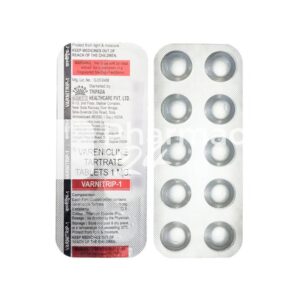
Varenicline (Champix)
Varenicline is a prescription medication that acts on nicotine receptors in your brain. It reduces the pleasure from smoking whilst simultaneously easing withdrawal symptoms. Varenicline requires a prescription from your GP and typically involves a 12-week course. Common side effects include nausea, headaches, and vivid dreams, though these usually subside after the first week.
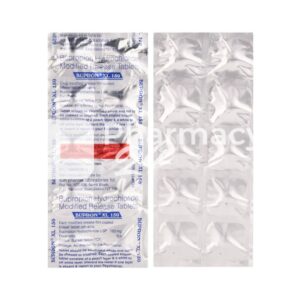
Bupropion (Zyban)
Bupropion is an antidepressant medication that works by increasing levels of dopamine and noradrenaline in the brain. This helps reduce cravings and improves mood during the quitting process. It’s particularly useful for people concerned about weight gain, as it can help suppress appetite. The standard course lasts seven to nine weeks, and you must start taking it before your quit date.
Nortriptyline
Nortriptyline is another antidepressant option available on prescription. Though not specifically licensed for smoking cessation in the UK, your GP may prescribe it if other treatments are unsuitable. It helps manage cravings and withdrawal symptoms over a 12-week period.
All prescription medications work best when combined with behavioural support from NHS stop smoking services or private counsellors. Your GP can discuss which option suits your individual circumstances, medical history, and lifestyle.
Nicotine Replacement Therapy Options
Nicotine Replacement Therapy (NRT) provides nicotine without the harmful chemicals in tobacco smoke. Multiple forms are available in the United Kingdom, both on prescription and over-the-counter.
- Nicotine patches deliver a steady dose of nicotine through your skin throughout the day. Available in various strengths, patches gradually reduce nicotine levels over a 12-week programme. They’re convenient for maintaining baseline nicotine levels whilst you manage psychological aspects of addiction.
- Nicotine gum offers flexibility, allowing you to use it when cravings strike. Available in 2mg and 4mg strengths, the gum requires specific chewing techniques for effective absorption. Many people use gum alongside patches for additional craving relief.
- Nicotine lozenges dissolve slowly in your mouth, providing nicotine absorption through mouth tissues. Available in 1mg, 2mg, and 4mg strengths, lozenges are discreet and don’t require water like gum does. They’re ideal for use during work or social situations.
- Nicotine inhalator delivers nicotine vapour through a device resembling a cigarette, helping address both physical addiction and the behavioural habit of hand-to-mouth smoking. This option is particularly helpful for heavy smokers.
- Nicotine nasal spray provides rapid nicotine absorption for managing intense cravings. Though faster-acting than other NRT options, it may cause nasal irritation initially.
Most NRT products are available without prescription from pharmacies, supermarkets, and online retailers. Combining two NRT methods—such as patches with gum or lozenges—often proves more effective than using a single method alone.
Over-the-Counter Stop Smoking Products
Beyond traditional nicotine replacement, several other products are available in UK pharmacies to support your quit attempt.
Nicotine Mouth Spray
Nicotine mouth spray provides rapid nicotine delivery in compact, portable form. Each spray delivers a controlled dose directly to mouth tissues, offering relief within minutes when cravings occur. It’s particularly useful during difficult moments or social situations.
Herbal and Natural Products
Products like those containing lobelia or St John’s Wort are marketed for smoking cessation, though scientific evidence supporting their effectiveness remains limited. Always consult your pharmacist before using herbal remedies, particularly if taking other medications.
Complementary Therapies
Acupuncture, hypnotherapy, and homeopathic remedies are sought by many people, though evidence varies. Some find them beneficial alongside more established treatments. The NHS doesn’t typically fund these, but they’re available privately.
When selecting over-the-counter products, speak with your pharmacy team. They can recommend suitable options based on your smoking habits, previous quit attempts, and any health conditions. Many products work better in combination than used individually.
Behavioural Support and Counselling
Medication addresses the physical addiction to nicotine, but behavioural support tackles psychological dependence and habitual smoking triggers.
NHS Stop Smoking Services
The NHS offers free, evidence-based support across the United Kingdom. These services provide one-to-one or group counselling, medication prescription, and ongoing support throughout your quit attempt and beyond. Your GP can refer you, or you can self-refer by contacting your local service directly.
Cognitive Behavioural Therapy
CBT helps identify triggers, develop coping strategies, and address negative thought patterns. This psychological approach proves particularly effective for people with underlying anxiety or depression.
Support Networks and Resources
Group support sessions provide motivation and shared experiences with others facing similar challenges. Hearing others’ successes and strategies can strengthen your resolve and provide practical tips. The NHS Smokefree app provides personalised quit plans, motivation messages, and progress tracking. Support hotlines and apps like Quitnow connect you with supportive communities offering immediate assistance when cravings strike.
Family and friend involvement significantly impacts success rates. Informing people about your quit date, asking for their support, and identifying a quit buddy creates accountability and encouragement. Combining medication with behavioural support yields the highest success rates, with research consistently showing that people using both approaches are significantly more likely to remain smoke-free after one year.
Creating Your Quit Plan and Managing Success
Successful smoking cessation requires planning and preparation beyond simply deciding to quit. Set a specific quit date within the next two weeks, allowing time to prepare mentally and obtain necessary medications or support. This deadline creates commitment and allows your healthcare provider to coordinate treatment timing.
Identify your triggers—situations, emotions, or activities that prompt cigarette cravings. Common triggers include stress, social situations, morning coffee, or after meals. Develop specific strategies for managing each trigger, and remove temptation by disposing of cigarettes, lighters, and ashtrays from your home, car, and workplace.
Choose your treatment approach in consultation with your GP or pharmacist. Consider whether you prefer prescription medication, NRT, or a combination. Prepare for withdrawal symptoms by understanding they’re temporary and typically peak during the first few days before gradually improving. Expect irritability, difficulty concentrating, increased appetite, and intense cravings, especially in the first two weeks.
Build a support network including healthcare providers, supportive friends and family, and potentially group sessions or telephone support. Having people to contact when struggling significantly increases success chances. Plan for slip-ups by recognising that most people attempt quitting several times before success. If you smoke a cigarette, don’t consider it failure—analyse what triggered it and recommit immediately to your quit attempt.
The first week presents the greatest challenge, but improvements accelerate thereafter. Within three days, your body begins recovering. After three months, your lungs start clearing. One year after quitting, your risk of heart disease reduces significantly. These milestones provide motivation during difficult moments. Your local pharmacy team remains available throughout your quit journey, offering encouragement, medication adjustments, and practical advice. Success is entirely achievable with proper support and determination.