
Muscle Relaxant
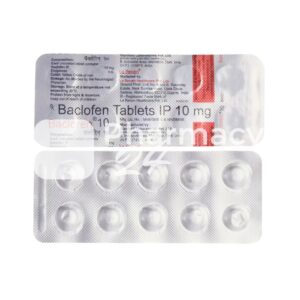
Baclofen
from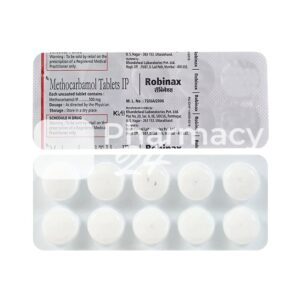
Robaxin
from
Tizanidine
from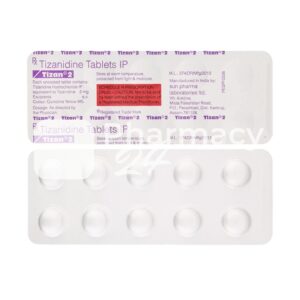
Zanaflex
fromWhat Are Muscle Relaxants and How Do They Work?
Muscle relaxants, also known as skeletal muscle relaxants, are medications designed to alleviate muscle stiffness, tension, and spasms. These medicines work by interrupting the communication between nerves and muscles, effectively reducing involuntary muscle contractions. They are commonly prescribed for conditions affecting the musculoskeletal system and can provide significant relief for patients experiencing acute or chronic muscle discomfort.
There are two main categories of muscle relaxants: spasmolytics, which directly relax muscle tissue, and neuromuscular blocking agents, which prevent nerve signals from reaching muscles. Most muscle relaxants available in the United Kingdom fall into the spasmolytic category, making them suitable for general use in treating everyday muscle problems. These medications are typically prescribed for short-term use, usually ranging from a few weeks to a few months, depending on the severity of the condition and individual patient response.
The mechanism of action varies between different muscle relaxants. Some work by depressing the central nervous system, whilst others target specific muscle fibres directly. Understanding how your particular medication works can help you use it more effectively and anticipate potential side effects.
Common Conditions Treated with Muscle Relaxants
Muscle relaxants are prescribed for a variety of musculoskeletal conditions that cause pain, stiffness, and restricted movement. One of the most common uses is treating acute muscle strain, which often results from injury, overexertion, or sudden movements. Patients with lower back pain frequently benefit from muscle relaxant therapy, as these medications can ease the muscular tension that contributes to discomfort.
Whiplash injuries, commonly associated with road traffic accidents, often require muscle relaxant treatment to help the neck muscles recover and reduce associated pain. Fibromyalgia, a chronic condition characterised by widespread muscle pain and fatigue, may also be managed with muscle relaxants as part of a broader treatment approach. Additionally, patients with cervical spondylosis, a degenerative condition affecting the neck spine, often find relief through these medications.
Muscle relaxants are also used for conditions like torticollis, where neck muscles involuntarily contract, and for managing spasticity related to conditions such as multiple sclerosis or cerebral palsy. Post-operative muscle tension following surgery is another common indication for short-term muscle relaxant use. Tension headaches and migraines associated with muscle tension can sometimes be alleviated with these medications, particularly when combined with other treatments.
Popular Muscle Relaxant Medications Available in the United Kingdom
Several muscle relaxant medications are readily available in the UK through prescription and sometimes over-the-counter options. Diazepam is one of the most widely prescribed muscle relaxants, belonging to the benzodiazepine class. It works by enhancing the effects of a neurotransmitter called GABA, effectively reducing muscle tension and promoting relaxation.
Baclofen is another popular choice, particularly for patients with spasticity related to spinal cord injuries or neurological conditions. This medication works by inhibiting the release of neurotransmitters responsible for muscle contractions. Tizanidine, an alpha-2 adrenergic agonist, is commonly prescribed for acute muscle spasms and tension. It works by blocking nerve signals that cause muscles to contract.
Additional options available in the UK include:
- Naproxen combined with muscle relaxants, offering a multi-faceted approach to pain management
- Chlorzoxazone, which works directly on muscle tissue without significantly affecting the central nervous system
- Methocarbamol, which alleviates acute muscle pain through central nervous system depression
- Over-the-counter products containing paracetamol paired with muscle relaxant properties
Your GP can advise on which medication is most suitable for your specific condition and medical history.
How to Use Muscle Relaxants Safely and Effectively
Using muscle relaxants safely begins with understanding the prescribed dosage and administration instructions. These medications should always be taken exactly as directed by your healthcare provider or as indicated on the medication label. Muscle relaxants are typically prescribed for short-term use, usually two to three weeks, although this may vary depending on your condition’s severity and response to treatment.
It is crucial to avoid driving or operating heavy machinery whilst taking muscle relaxants, as these medications can cause drowsiness, dizziness, and impaired coordination. Alcohol should be avoided entirely when using muscle relaxants, as it can significantly increase the risk of side effects and dangerous interactions. Never increase your dose or take the medication more frequently than prescribed without consulting your GP.
Muscle relaxants work best when combined with other treatment approaches such as physiotherapy, rest, and ice or heat therapy. Maintaining good posture and gradually returning to normal activities as your condition improves can enhance the effectiveness of medication. If you forget to take a dose, take it as soon as you remember, unless it is almost time for your next dose—never double up on doses.
Store muscle relaxants at room temperature, away from moisture and direct sunlight. Keep all medications out of reach of children and pets. If your symptoms do not improve within a few weeks or worsen, contact your GP for further evaluation and possible adjustment of your treatment plan.
Potential Side Effects and Precautions
Like all medications, muscle relaxants can cause side effects, although not everyone experiences them. Common side effects include drowsiness, dizziness, and headaches. Some patients report dry mouth, blurred vision, or difficulty concentrating whilst taking these medications. These effects are typically mild and often diminish as your body adjusts to the medication.
More serious side effects, though less common, may include allergic reactions, liver problems, or irregular heartbeat. If you experience chest pain, severe dizziness, difficulty breathing, or signs of allergic reaction such as rash or swelling, seek immediate medical attention. Muscle relaxants can also cause dependence with long-term use, which is why healthcare providers recommend using them for the shortest duration necessary.
Certain precautions should be observed when taking muscle relaxants. Inform your GP if you have a history of liver disease, kidney problems, or heart conditions, as these may affect your suitability for certain medications. Pregnant and breastfeeding women should discuss muscle relaxant use with their healthcare provider, as some medications may pose risks. Elderly patients may be more susceptible to side effects and may require adjusted doses.
If you are taking other medications, inform your doctor, as muscle relaxants can interact with various substances including antidepressants, antihistamines, and certain pain medications. Regular monitoring by your healthcare provider ensures that your treatment remains safe and effective throughout your course of therapy.
When to Consult Your Doctor and Treatment Alternatives
Consulting your GP is essential if muscle pain and stiffness persist beyond a few weeks, worsen despite treatment, or are accompanied by other symptoms such as fever or numbness. If you experience side effects that are bothersome or interfering with daily life, your doctor may adjust your medication or suggest alternatives. Additionally, seek medical advice if you suspect you have developed dependence on your muscle relaxant.
Several alternative treatments complement or substitute for muscle relaxants depending on your condition. Physiotherapy and targeted exercises can strengthen muscles and improve flexibility, reducing the need for medication. Heat therapy, particularly for chronic muscle tension, can provide significant relief. Cold therapy is often more beneficial for acute injuries and inflammation.
Manual therapies such as massage, osteopathy, and chiropractic treatment may help some patients manage muscle tension without medication. Acupuncture has shown promise in treating certain types of muscle pain and spasms. Relaxation techniques including yoga, tai chi, and meditation can reduce muscle tension associated with stress and anxiety.
Over-the-counter pain relief options, such as ibuprofen or paracetamol, may be sufficient for mild muscle discomfort. Topical treatments including creams and patches containing analgesic ingredients can provide localised relief. Your GP can advise on the most appropriate combination of treatments for your individual needs, ensuring you receive comprehensive care tailored to your condition and circumstances.