
Hair Loss

Understanding Hair Loss: Causes and Types
Hair loss, medically known as alopecia, affects millions of people across the UK. Understanding the underlying causes is essential for finding the right treatment. The most common type is male pattern baldness, which accounts for the majority of hair loss cases in men. Female pattern baldness is equally prevalent in women and can be equally distressing.
Hair loss occurs when the hair growth cycle is disrupted. The scalp contains approximately 100,000 hair follicles, and normally we lose between 50 and 100 hairs daily. When this number increases significantly, it becomes noticeable. Causes range from genetic predisposition to hormonal changes, nutritional deficiencies, stress, and certain medical conditions. Thyroid problems, anaemia, and autoimmune conditions like alopecia areata can trigger sudden hair loss.
Androgenetic alopecia, caused by sensitivity to the hormone DHT, is hereditary and progressive. Telogen effluvium is temporary hair shedding triggered by stress, illness, or significant life changes. Anagen effluvium occurs during chemotherapy or radiation. Alopecia areata is an autoimmune condition causing patchy hair loss. Each type requires different approaches to treatment and management.
Medical Treatments Available in the UK
The UK pharmaceutical market offers several proven treatments for hair loss. Minoxidil, commonly known as Rogaine, is available over-the-counter and works by prolonging the hair growth phase. It comes in various strengths and formulations, including solutions and foams. Most people see results after three to six months of consistent use.
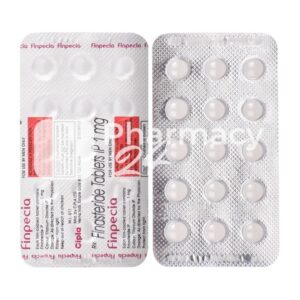
Finasteride, branded as Propecia in the UK, is a prescription medication that reduces DHT levels in the scalp. It’s specifically approved for male pattern baldness and has shown significant effectiveness in clinical trials. Women of childbearing age should avoid this medication entirely due to potential risks. The medication requires ongoing use to maintain results.
Dutasteride is another prescription option that blocks both types of DHT-reducing enzymes. Whilst not officially licensed for hair loss in the UK, some specialists prescribe it off-label when finasteride proves ineffective. Both medications can take several months to show visible results.
Topical corticosteroids are prescribed for alopecia areata to reduce inflammation and suppress the autoimmune response. Betamethasone and clobetasol are commonly used options. Intralesional corticosteroid injections directly into affected areas offer targeted treatment for patchy hair loss. Anthralin is another topical medication for alopecia areata that irritates the skin to encourage hair regrowth. Tacrolimus, an immunosuppressant, is increasingly used for autoimmune-related hair loss. Hair loss supplements containing biotin, zinc, and iron are widely available and may support hair health when deficiencies exist.
Over-the-Counter Solutions and Shampoos
Many over-the-counter products claim to combat hair loss, and some genuinely help. Minoxidil-based products remain the most evidence-backed non-prescription option available in UK pharmacies. Regular application directly to the scalp shows measurable results for many users.
Specialist hair loss shampoos containing ketoconazole help address scalp conditions that may contribute to hair loss. These medicated shampoos reduce inflammation and improve scalp health. Caffeine-based shampoos claim to stimulate hair follicles, though evidence remains limited. Biotin-enriched shampoos support hair strength and thickness.
Volumising and thickening shampoos provide temporary cosmetic improvements by coating hair strands. These products make existing hair appear fuller but don’t address underlying hair loss causes. Clay-based and sulphate-free shampoos are gentler on the scalp and may benefit people with sensitive skin.
Scalp treatments and oils containing ingredients like saw palmetto, peppermint, and rosemary are increasingly popular. Whilst traditional use supports these ingredients, scientific evidence is still developing. Scalp massagers and laser combs marketed for hair loss have mixed reviews from clinical studies.
Lifestyle Changes and Nutritional Support
Hair health depends significantly on overall wellness and nutrition. A balanced diet rich in protein, iron, zinc, and B vitamins supports hair growth and prevents premature loss. The following key nutrients play essential roles in maintaining healthy hair:
- Biotin supplements have shown promise in studies, particularly for people with biotin deficiency
- Vitamin D deficiency is linked to various types of hair loss, making supplementation potentially beneficial
- Iron deficiency, common in women, can cause telogen effluvium and requires blood tests to identify
- Zinc plays a crucial role in hair tissue growth and repair
- Selenium supports thyroid function, which affects hair health
- B-vitamins, especially B12 and folate, are essential for hair follicle function
Stress management significantly impacts hair loss, as stress-induced alopecia is well-documented. Regular exercise, meditation, and adequate sleep support hormonal balance and scalp health. Excessive heat styling, tight hairstyles, and harsh chemical treatments damage hair and worsen loss. Gentle handling, regular conditioning, and protective styling preserve existing hair.
Smoking restricts blood circulation to hair follicles and accelerates hair loss. Alcohol consumption affects nutrient absorption and hormone balance. Staying hydrated supports overall skin and scalp health. Avoiding crash diets prevents nutritional deficiencies that trigger temporary hair shedding.
Professional Treatments and Procedures
Beyond medication, various professional treatments are available across UK clinics and hospitals. Hair transplantation involves moving hair follicles from unaffected areas to balding regions. Follicular unit extraction (FUE) and follicular unit transplantation (FUT) are the main surgical techniques. Results are permanent, though expensive and requiring multiple sessions.
Low-level laser therapy, or red light therapy, stimulates hair follicles using specific wavelengths. Treatments are available for home use or professional settings. Platelet-rich plasma (PRP) therapy uses concentrated platelets from the patient’s blood to stimulate hair growth. This emerging treatment shows promising results but remains relatively new.
Dermatology consultations are essential for accurate diagnosis and personalised treatment plans. Specialists can identify underlying conditions and recommend appropriate therapies. Trichologists specialise specifically in hair and scalp disorders, offering detailed analysis and recommendations.
Scalp micropigmentation creates the appearance of fuller hair through tattooed dots on the scalp. This cosmetic solution works well for various hair loss types. Hair weaving and integration systems provide temporary solutions without medical intervention.
When to Seek Professional Help
Noticeable hair loss warrants professional evaluation. Sudden onset, patchy patterns, or scalp inflammation indicate conditions requiring medical assessment. Hair loss accompanied by fatigue, weight changes, or other symptoms suggests underlying health issues needing investigation.
Dermatologists can perform trichoscopy, examining hair and scalp under magnification. Blood tests may identify nutritional deficiencies or hormonal imbalances. Hair pull tests determine whether hair loss is active and progressing.
If over-the-counter treatments don’t show results after three to six months, prescription options merit consideration. Some conditions, like alopecia areata, respond better to specific medical treatments than others. Early intervention often provides better outcomes.
Your GP can provide referrals to NHS dermatology services or recommend private specialists. Treatment success depends on accurate diagnosis and selecting appropriate interventions for your specific hair loss type. Combining medical treatments with lifestyle improvements typically produces the best results for managing hair loss effectively.