
Cancer

Methotrexate
from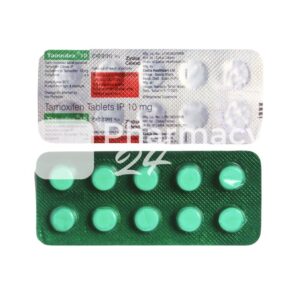
Nolvadex
from
Ondansetron
from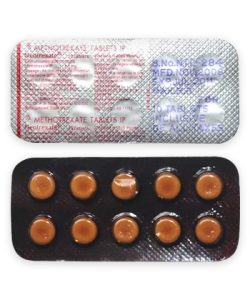
Rheumatrex
from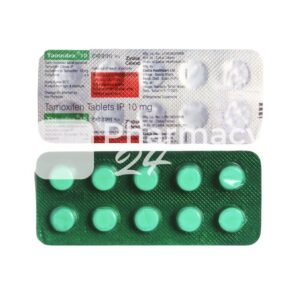
Tamoxifen
fromUnderstanding Cancer: Types and Treatment Options
Cancer remains one of the most significant health challenges in the United Kingdom, affecting thousands of people each year. This condition involves the abnormal growth of cells that can spread to other parts of the body if left untreated. Understanding the different types of cancer and available treatment options is crucial for patients and their families.
The main categories of cancer include breast cancer, lung cancer, bowel cancer, prostate cancer, and skin cancer, amongst others. Each type requires specific treatment approaches tailored to the individual’s circumstances. Treatment methods typically include surgery, radiotherapy, chemotherapy, and newer immunotherapy options. Early detection significantly improves treatment outcomes and survival rates, with many cancers manageable effectively when caught in their early stages.
Regular screening programmes are available across the UK for certain cancer types, including cervical, bowel, and breast cancers. Healthcare professionals work closely with patients to determine the most appropriate treatment plan based on cancer stage, type, and overall health status. Support services and counselling are available to help patients and their loved ones navigate this challenging journey.
Chemotherapy Medications Available in the United Kingdom
Chemotherapy remains a cornerstone of cancer treatment, with numerous medications available on the UK market to combat various cancer types. These medications work by interfering with cell division and growth, effectively slowing or stopping cancer progression.
Common chemotherapy drugs include:
- Docetaxel – used for breast, lung, and prostate cancers
- Paclitaxel – treats ovarian, breast, and lung cancers
- Fluorouracil (5-FU) – widely used for bowel and gastric cancers
- Carboplatin – frequently prescribed for ovarian and lung cancer patients
- Cisplatin – effective across multiple cancer types
- Gemcitabine – targets specific cancer formations
- Doxorubicin – utilised for various malignancies
The NHS provides most chemotherapy treatments through hospital trusts, though some may be available through private healthcare providers. Patients undergoing chemotherapy require regular monitoring to manage side effects, which can include nausea, hair loss, and fatigue. Healthcare teams adjust dosages and treatment schedules based on individual tolerance and response. Supportive medications are often prescribed alongside chemotherapy to help manage these side effects and improve quality of life. Modern chemotherapy protocols have significantly improved, offering better tolerability compared to earlier generations of these drugs.
Targeted Therapies and Immunotherapies
Recent advances in cancer treatment have introduced targeted therapies and immunotherapies that offer new hope for patients. These innovative treatments work differently from traditional chemotherapy by targeting specific cancer cell characteristics or boosting the body’s immune system.
Trastuzumab (Herceptin) is used for HER2-positive breast cancers and has revolutionised treatment outcomes for this patient group. Tyrosine kinase inhibitors such as Imatinib (Glivec) have transformed chronic myeloid leukaemia management, allowing many patients to enjoy extended survival periods. Checkpoint inhibitors including Pembrolizumab and Nivolumab have proven effective in treating melanoma, lung cancer, and other malignancies by enhancing immune response.
These newer treatments often have different side effect profiles compared to chemotherapy, sometimes offering improved tolerability. The NHS has expanded access to many targeted therapies and immunotherapies through the Cancer Drugs Fund, ensuring eligible patients can benefit from these advances. Treatment selection depends on specific genetic mutations and cancer characteristics identified through sophisticated testing. Some patients may receive combination therapy using both traditional chemotherapy and newer targeted approaches. Response rates to these treatments vary significantly between individuals, making personalised medicine increasingly important in cancer care. Ongoing research continues to develop additional targeted therapies for previously difficult-to-treat cancers.
Hormonal Therapies for Hormone-Sensitive Cancers
Hormonal therapies play a vital role in treating hormone-sensitive cancers, particularly breast cancer and some prostate cancers. Tamoxifen remains a cornerstone therapy for oestrogen receptor-positive breast cancer, effective in both pre- and post-menopausal women.
Aromatase inhibitors such as Letrozole, Anastrozole, and Exemestane block oestrogen production and are particularly effective in post-menopausal breast cancer patients. These medications can be used as initial treatment or following chemotherapy, depending on individual circumstances and cancer characteristics. Fulvestrant is an oestrogen receptor antagonist used for advanced breast cancer, offering an alternative mechanism of action.
For prostate cancer, androgen deprivation therapies including Goserelin and Leuprorelin are commonly prescribed to slow cancer progression. Bicalutamide and Enzalutamide represent newer anti-androgens offering improved tolerability and efficacy profiles. Many patients tolerate hormonal therapies reasonably well, though side effects such as hot flushes, joint pain, and mood changes can occur. Treatment duration typically spans several years, with ongoing assessment determining optimal duration for individual patients. Regular monitoring ensures treatment effectiveness and allows adjustment if resistance develops. Combination hormonal therapy approaches are increasingly used to improve outcomes and delay progression.
Supportive Medications and Side Effect Management
Cancer treatment often requires additional medications to manage side effects and support overall wellbeing throughout the treatment journey. Anti-emetic medications such as Ondansetron and Metoclopramide effectively control chemotherapy-induced nausea and vomiting, significantly improving patient comfort. Granisetron and Dexamethasone are frequently used as adjuncts to prevent delayed nausea occurring days after chemotherapy administration.
Growth factor medications like Filgrastim support bone marrow function, reducing infection risk during intensive chemotherapy. Haemoglobin-boosting agents address treatment-related anaemia, improving energy levels and exercise tolerance. Pain management medications ranging from paracetamol to morphine-based preparations address cancer-related discomfort, with careful titration ensuring adequate relief whilst minimising side effects.
Additional supportive treatments include bisphosphonates and RANKL inhibitors to protect bone health in patients at risk of bone loss or metastatic disease. Psychological support medications including antidepressants may be prescribed to address emotional challenges accompanying cancer diagnosis and treatment. Sleeping aids help address insomnia, common during cancer treatment and recovery. Nutritional supplements address deficiencies developing during intensive treatment, whilst dermatological preparations manage skin reactions from radiotherapy and targeted therapies. Comprehensive supportive care significantly improves treatment tolerance and quality of life, with healthcare teams working collaboratively to address all aspects of patient wellbeing.
Cancer Screening and Prevention Resources in the UK
The United Kingdom offers comprehensive cancer screening programmes designed to detect cancer at early, more treatable stages. The NHS Breast Screening Programme invites women aged 50-74 for regular mammograms, with invitation for younger and older women available on request. The Bowel Cancer Screening Programme offers faecal immunochemical testing to adults aged 60-74, with expansion to younger age groups underway.
Cervical screening protects against cervical cancer through HPV testing and cytology, offered to women aged 25-64. Prostate screening information is available through the NHS, though no population-wide screening programme exists due to ongoing risk-benefit discussions. Skin cancer awareness programmes encourage regular self-examination and professional assessment of suspicious lesions.
Prevention strategies focus on modifiable risk factors including smoking cessation, alcohol reduction, weight management, and physical activity. Dietary recommendations emphasise high fibre intake, vegetable consumption, and reduced processed meat intake. Sun protection education reduces melanoma risk, particularly in fair-skinned individuals. HPV vaccination programmes protect younger generations against cervical, anal, and oropharyngeal cancers.
Support organisations including Macmillan Cancer Support, Cancer Research UK, and Marie Curie provide invaluable information, emotional support, and practical assistance. Early detection through screening and awareness of warning signs significantly improves treatment outcomes and survival rates across all cancer types.